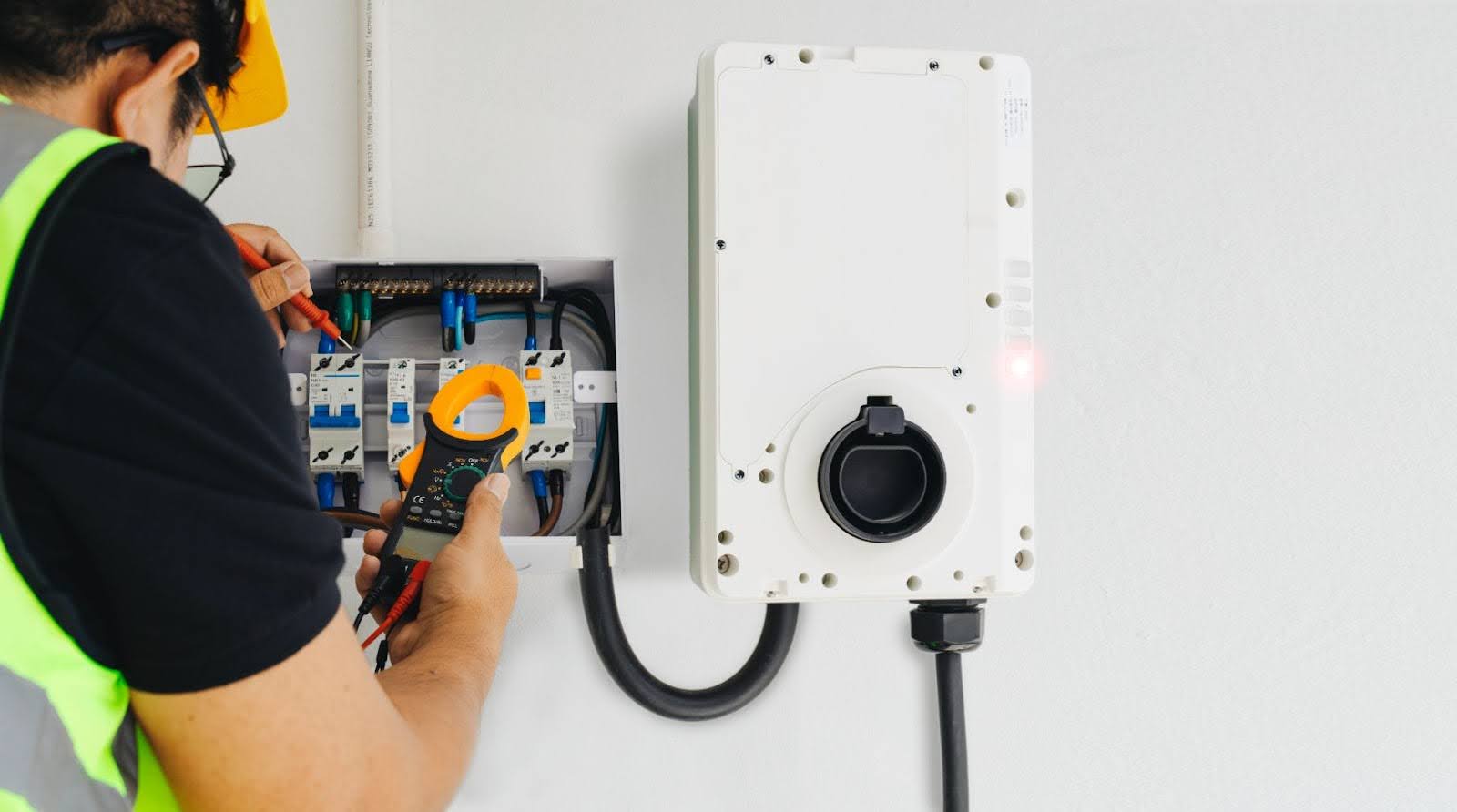
Homeowners and developers now plan for charging needs because electric vehicles shape daily routines. Reliable charging access supports a smoother lifestyle and adds confidence to long-term travel habits. Builders respond to this shift by designing homes that support future energy demands from the start. Costs fall when the charger is included in the building plan, as the process becomes cleaner and more predictable. A property gains substantial value when the system grows alongside the structure.
Why EV Charger Planning in New Builds Matters
Planning EV charger installation in new builds matters because it shapes the entire electrical setup with precision. Electricians work with open walls and clear routes, which cuts labor time and avoids demolition. Builders place panels, conduit, and parking areas in smarter locations that support long-term charging needs. Homeowners avoid expensive retrofits that disrupt finished spaces. The system also stays cleaner and safer because wiring follows structured paths. Costs drop, reliability improves, and the property gains more substantial value from the start. This approach gives owners a future-ready setup that works without stress.
EV Charger Installation Benefits During Construction
Planning EV charger installation during construction cuts costs because electricians work with open framing and clear access. They avoid demolition tasks that inflate retrofit budgets. Materials reach the site without rerouting or waste. Owners gain complete price clarity since the build includes the charging system from day one.
Fewer Disruptions During the Build
Planned charger installation protects the building timeline by allowing crews to work in open areas without creating a mess or obstacles. Electricians move freely through the project without the stress of protecting finished materials. Electrical services contractors stay aligned because the charger appears in the main project schedule. Each update is delivered to the team through standard site briefings. A single coordinated plan removes confusion around responsibility. This unified workflow keeps spending steady and manageable.
Code Compliance With Fewer Revisions
Local code requirements fit naturally into the electrical plan when the charger is introduced early in the design stage. Inspectors review everything during regular checks, eliminating the need for separate appointments. Builders avoid repeating revisions that appear during retrofit attempts. This more substantial alignment protects budgets from surprise corrections. Electricians can also identify load concerns more quickly while walls remain open. The process stays simple for both the crew and the property owner.
Workforce Coordination Across Trades
Electricians who work on the primary electrical layout remain on site, avoiding extra trips. This setup cuts callout fees that appear during retrofits. Crews follow one streamlined workflow because the charger installation ties into the main plan. Communication strengthens when all trades share the same daily briefings. Workers avoid duplicated tasks because responsibilities remain clear. This approach saves time and reduces costs throughout the project.
Why EV Charger Costs Are Lower With New Build Planning
Planning the charger during a new build streamlines the entire project and makes it cleaner and more cost-efficient. Electricians work with open framing rather than cutting into finished walls, reducing labor and waste. Builders map panels, conduit paths, and parking spots so the charging setup fits the structure naturally. This alignment keeps the workflow steady and prevents expensive corrections later.
Construction Layouts Reduce Charging Costs
Construction layouts shape conduit routes, panel access, and charger placement. Open framing removes the need for demolition work and repairs. Electricians move quickly when pathways are defined early. Shorter labor time lowers costs for the property owner.
Infrastructure Setup With Open Framing
Open framing allows electricians to run conduit through straight paths with minimal hardware. Fewer bends reduce material costs and speed installation. Labor hours shrink because workers complete tasks in one clean stage. Builders also avoid drywall repairs that raise retrofit expenses. Straight pathways protect wires and support better airflow. These combined benefits build a cleaner and more dependable system.

Alt-text: Woman charging her electric car at a home EV station installed beside her garage
Smart Panel Sizing During Construction
Panels sized during the build support charging loads without future replacements. Electricians place breakers in ideal positions because they assemble the panel according to a complete electrical plan. Load calculations stay accurate when every circuit appears on the same diagram. Owners avoid the high cost of panel upgrades after move-in. No hidden circuits sit behind finished walls. This approach boosts reliability and long-term function.
Trenching Before Finish Work Cuts Costs
Crews complete trenching for detached garages or parking pads before paving and landscaping. This timing prevents damage to finished surfaces, which are more expensive to repair. Pathways stay clean and easy for electricians to navigate. Coordination with grading teams keeps the job moving smoothly. Open ground conditions improve safety and accuracy. These advantages drive trenching costs down.
Parking Layouts Designed Around Charging
Driveways and parking pads influence the optimal placement of chargers and the wiring distance. Shorter runs reduce material spending and speed installation. Builders position chargers near panels to improve safety and daily convenience. Homeowners enjoy simple routines with minimal cord strain. Clever placement avoids future relocation expenses. This planning approach strengthens long-term usability.
Labor Savings When Chargers Join New Builds
Electricians save substantial labor time by installing chargers before the structure is complete. They work in open areas rather than removing finished materials. Their movement improves as pathways remain clear. Lower labor hours convert directly into lower project costs.
Streamlined Scheduling With Construction Crews
Electricians follow the primary construction schedule rather than book separate retrofit visits. No one waits for access to restricted finished rooms. Work stays efficient because installers complete tasks in a clear, ordered manner. Builders maintain steady progress across all trades. Owners avoid repeat mobilization fees. This connected workflow protects both budgets and timelines.
Faster Permits Through Bundled Approvals
Chargers may be attached to the main electrical permit to reduce administrative work. Inspectors review everything during standard visits, which shortens wait times. Contractors avoid planning separate inspections, which slows retrofits. Municipal staff process fewer documents, thereby improving turnaround time. The project moves with consistent momentum. This method keeps overall costs controlled and predictable.
Open Access to Service Points
Electricians can reach utility rooms, panels, and framing without barriers. They avoid tight corners that slow work inside finished homes. Tools stay in place longer, which streamlines the workflow. Clear sightlines help electricians choose the best wire paths. Movement stays safe and efficient throughout the project. These factors reduce labor hours and bring down installation costs.

Alt-text: Close-up of an electrician’s hand checking the cable connection after an EV charger installation at a service area
Material Savings in Construction Charging Setup
Material spending declines when the charging system is included in the original plan. Contractors order supplies in one coordinated shipment. Electricians rely on straightforward routes because the structure remains open. This planning reduces the need for costly specialty parts.
Bulk Ordering Lowers Supply Costs
Contractors buy conduit, wiring, and fittings in bulk at lower rates. Deliveries arrive with other supplies, reducing transportation costs. Planned ordering removes mid-project shortages. Consistent materials raise installation quality. Less waste appears because electricians use precise quantities. These efficiencies support long-term budget goals.
Prebuilt Electrical Paths Improve Efficiency
Electrical rooms and routes take shape during the build to support clean charger placement. Electricians attach conduit to prepared framing without redesigning anything: no last-minute adjustments, slow wiring, or structural work. Builders avoid shifting studs or adjusting utility zones. Each step follows a detailed plan. This structure limits waste and improves cost control.
Standard Hardware Reduces Charging Costs
Retrofits often require special fittings that cost more due to awkward paths. New builds avoid this because walls remain open and conduit runs stay direct. Electricians use standard parts that cost far less. Owners gain dependable performance with fewer stress points. Clean routes improve airflow and extend equipment life. Material savings are realized across the entire installation.
Property Value Gains From Planned Charging
Homes and commercial buildings with planned charging attract more buyers and tenants. These properties stand out in competitive markets. Residents avoid expensive retrofit projects later. Sellers and developers enjoy more substantial long-term returns.
Buyer Demand for Charging Ready Homes
Homebuyers look for houses with built-in charging because it saves them money and time. They avoid major electrical upgrades after moving in. Real estate agents highlight charging readiness as a modern advantage. Buyers appreciate the convenience of smooth daily charging. Many prefer homes built for evolving travel habits. These trends boost the resale value of prepared properties.
Commercial Spaces Gain User and Cost Benefits
Workplaces that offer charging avoid costly downtime during retrofitting. Tenants enjoy easier daily routines and better on-site access. Customers recognize properties that support modern mobility needs. Installations during construction prevent interruptions to business operations. These benefits improve satisfaction and retention. A future-focused system keeps commercial buildings competitive.
Multi-Unit Housing Gains Strong Appeal
Developments with shared charging attract more residents. Renters avoid unsafe extension cords or improvised options. Predictable access reduces conflict over parking or power use. Clean layouts improve safety for both people and vehicles. Charging becomes a simple part of daily life. These features raise occupancy and long-term stability.
Maintenance Advantages of Planned Charging Layouts
Maintenance becomes easier when electricians follow structured routes set during construction. Wires remain accessible and organized. Expansion stays simple because pathways already exist. Owners save money through fast and efficient service work.
Clean Conduit Layouts Improve Reliability
Straight conduit paths protect wires from heat and tension. Electricians avoid sharp angles that can damage long-term performance. Inspections move faster because the layout stays visible. Repairs cost less because walls remain intact. Better airflow supports equipment life. These details create a dependable, long-term system.
Scalable Infrastructure for Future Chargers
Families may add more EVs over time, which increases charging needs. Builders create capacity for expansion when they design with growth in mind. Electricians upgrade the system without opening finished walls. Wiring extends easily along established routes. Expansion remains smooth and predictable. This approach keeps the property ready for future energy needs.
Faster Troubleshooting and Lower Repair Costs
Electricians diagnose issues quickly when pathways stay clear and accessible. They avoid guesswork behind finished surfaces. Owners skip expensive demolition-based repairs. Strong wire protection reduces failure rates. Repairs take fewer hours with minimal disruption. This thoughtful design lowers lifetime maintenance costs.
Start Your EV Charger Plan With Your Build
Planning your charger during the build helps your property stay ahead of rising energy demands with far less cost and complexity. Each step becomes smoother because the system grows naturally with the structure instead of clashing with finished surfaces. Homeowners and developers gain a cleaner installation, greater long-term value, and a charging setup ready for tomorrow’s driving habits. If you want your project to support modern transportation without stress, bring charging into your plans now and build with confidence.
Grow your understanding of efficient charging setups and evolving electrical trends by visiting Orozco’s Electric Inc. blog for expert-driven content.