Home charging turns an electric vehicle from a nice idea into a daily convenience. But the difference between “it works” and “it works flawlessly” often comes down to the quality of the setup behind the outlet. Professional EV charger installation isn’t just about mounting equipment; it’s about designing a safe, efficient, code-compliant system that fits your home today and scales with your needs tomorrow. The result is faster, more reliable charging, fewer surprises on your electrical panel, and confidence that your investment will keep paying you back in time saved, stress avoided, and home value gained.
EV Charger Installation for Safety and Code Compliance
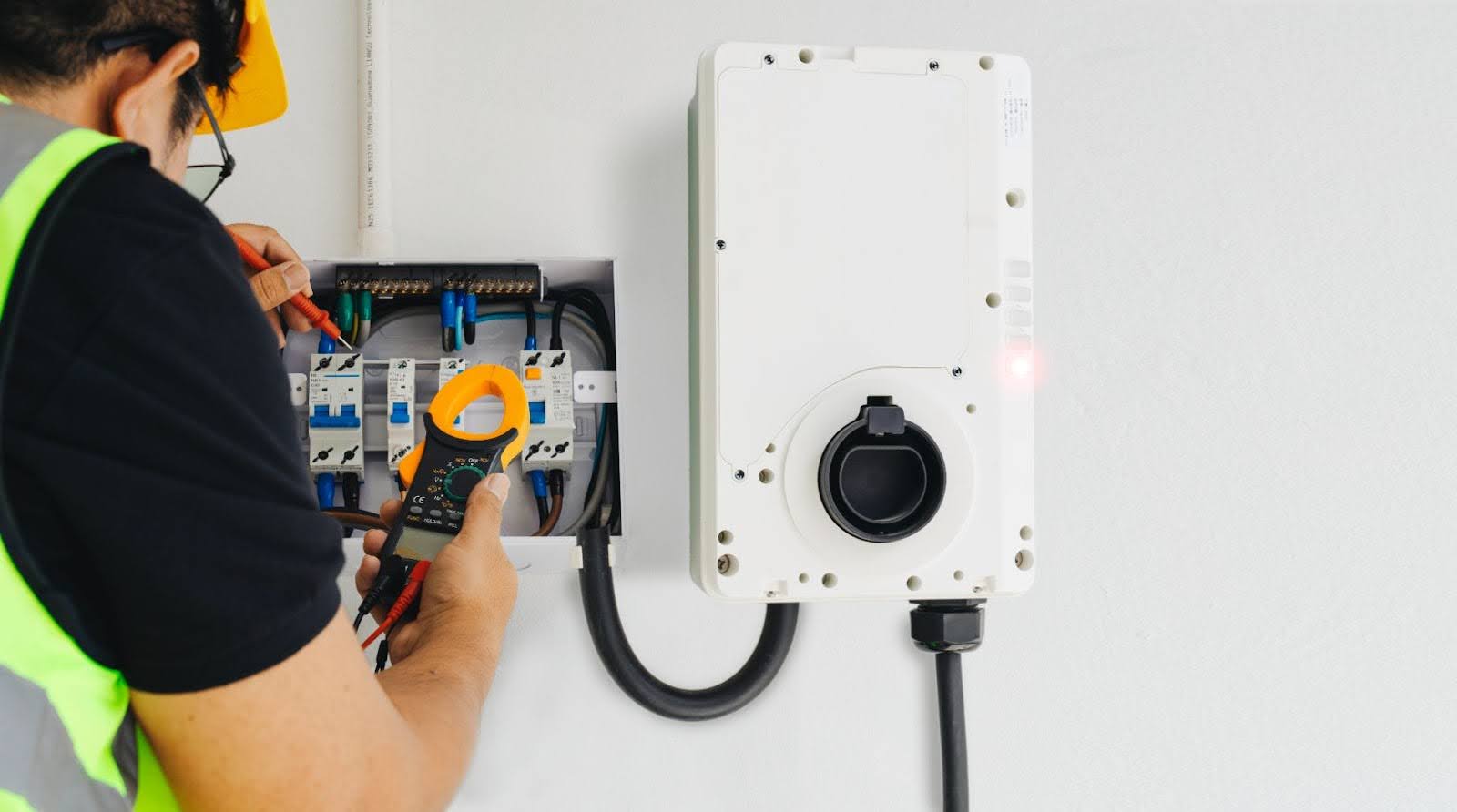
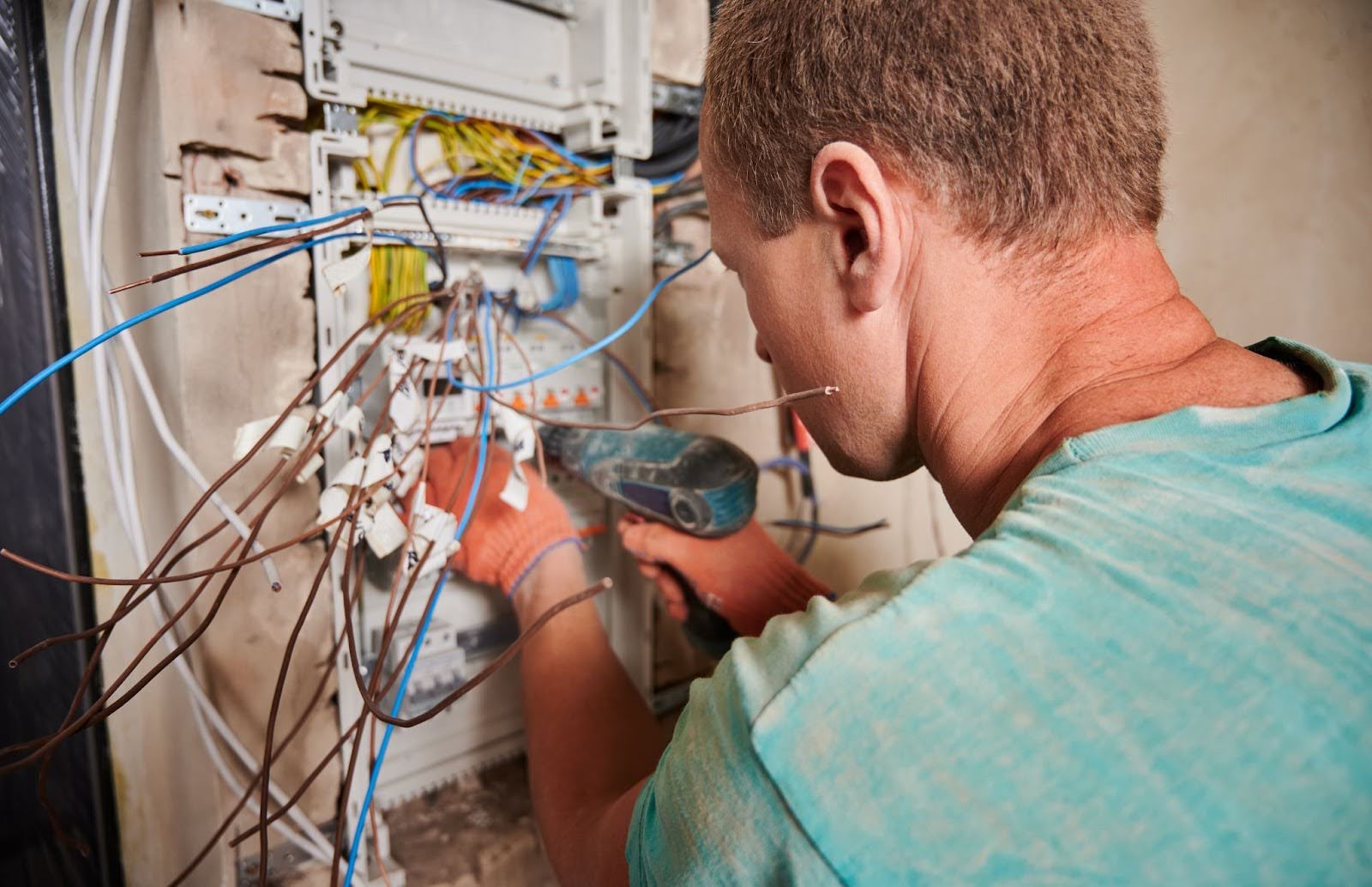
Electric vehicle chargers draw sustained, high current—far more than most everyday appliances. A licensed electrician evaluates wiring size, breaker ratings, grounding, and GFCI requirements so that heat, arcing, and nuisance trips don’t undermine safety. Professional work follows local codes and manufacturer specs, which protect both your household and your warranty. Instead of guessing whether the circuit can handle daily charging, you get documentation and inspection that confirm the system is built to standard.
EV Charger Installation With Proper Load Calculations and Panel Upgrades
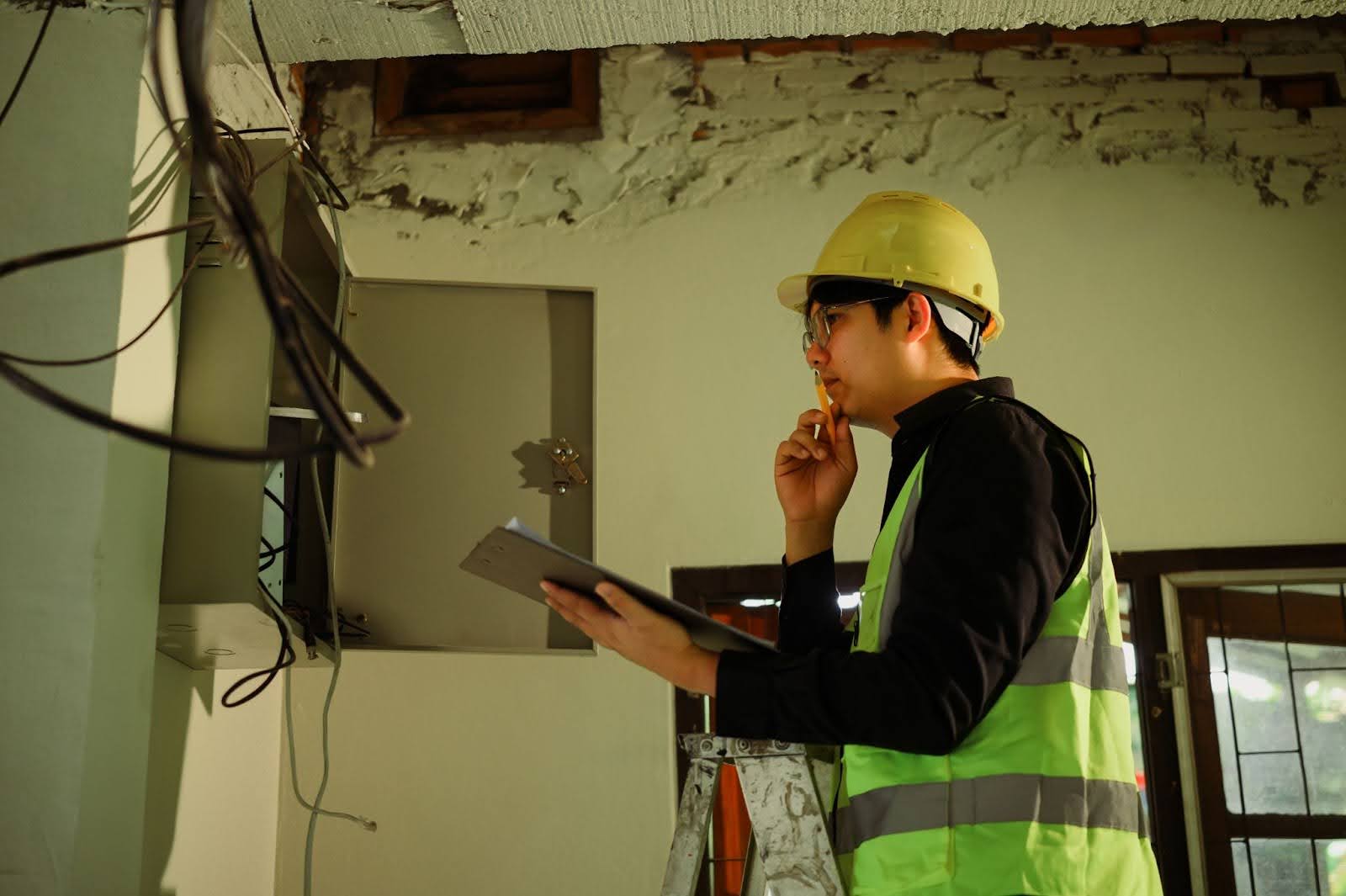
Every home has a finite electrical budget. A professional calculates your available capacity by looking at existing loads—HVAC, ovens, dryers, hot tubs—and how a charger will fit into that picture. If your service is tight, they’ll recommend targeted solutions rather than blanket upgrades.
Service Capacity Matters
A correct load calculation prevents breaker trips and overheated conductors, ensuring your charger performs at its rated speed without stressing the system.
Future-Proofing Your Panel
If you plan for a second EV or other electrification projects, adding space or upgrading now can be cheaper than revisiting the panel later.
Professionals Handle Permits, Inspections, and Insurance for EV Charger Installation
Permits and inspections exist to catch issues before they become problems. Professionals navigate this process quickly, coordinate with the authority having jurisdiction, and provide the as-built documentation your insurer may request. In many cases, proper permitting can help avoid claims disputes and keep resale conversations simple since buyers and home inspectors can see the paper trail.
Permits Protect You
An approved permit and inspection provide third-party verification that your installation meets local standards, which supports safety and resale confidence.
Insurance and Warranty Coverage
Manufacturers and insurers often expect professional installation; meeting those terms reduces the risk of equipment failure.
EV Charger Installation to Optimize Charging Speed and Reliability
A level 2 charger is only as fast as the circuit feeding it. Pros match the charger’s amperage to the breaker and conductor size, set the correct dip-switch or software limit, and confirm voltage and grounding to ensure the unit operates at full potential. Properly torqued lugs, weather-appropriate enclosures, and tidy conduit runs aren’t cosmetic—they prevent intermittent faults that can slow charging or throw errors at the worst time.
Right Circuit, Right Results
When amperage, wire gauge, and breaker type align, your charger delivers predictable miles per hour instead of inconsistent performance.
Cable Management and Placement
Thoughtful positioning protects connectors, reduces strain, and makes daily plug-ins effortless, which encourages consistent charging habits.
EV Charger Installation that Fits Your Home and Lifestyle
A professional looks beyond the panel to the practicalities of your space. They’ll consider where you park, which side your EV’s port is on, whether you need an outdoor-rated unit, and how long a cable makes sense for your garage layout. Small decisions—like adding a pedestal mount, avoiding tight bends, or placing the charger clear of car doors—improve day-to-day convenience more than you might expect.
Improve Home Value and Marketability With EV Charger Installation
More buyers now see home charging as a must-have amenity. A permitted, well-placed level 2 setup signals that the house is ready for modern transportation needs. While market effects vary by location, professionally installed equipment is easier to showcase in listings and more straightforward to transfer to new owners, especially when documentation is available. It’s a subtle but meaningful differentiator in competitive markets.
EV Charger Installation Costs Versus Long-Term Savings
Upfront cost includes the unit, labor, materials, and any panel or trenching work. Over the long run, electricity is typically cheaper per mile than gasoline, and home charging saves time otherwise spent at public stations. A reliable system also prevents surprise repair bills that can erase the “savings” from a rushed DIY job.
Lower Fuel Costs Over Time
Charging at home—especially off-peak—can reduce cost per mile compared with public fast charging or gas, compounding savings over years.
Maintenance Savings
Secure connections and correct settings reduce premature wear on connectors and keep breakers and wiring from needing early replacement.
EV Charger Installation for Smart Features and Energy Management
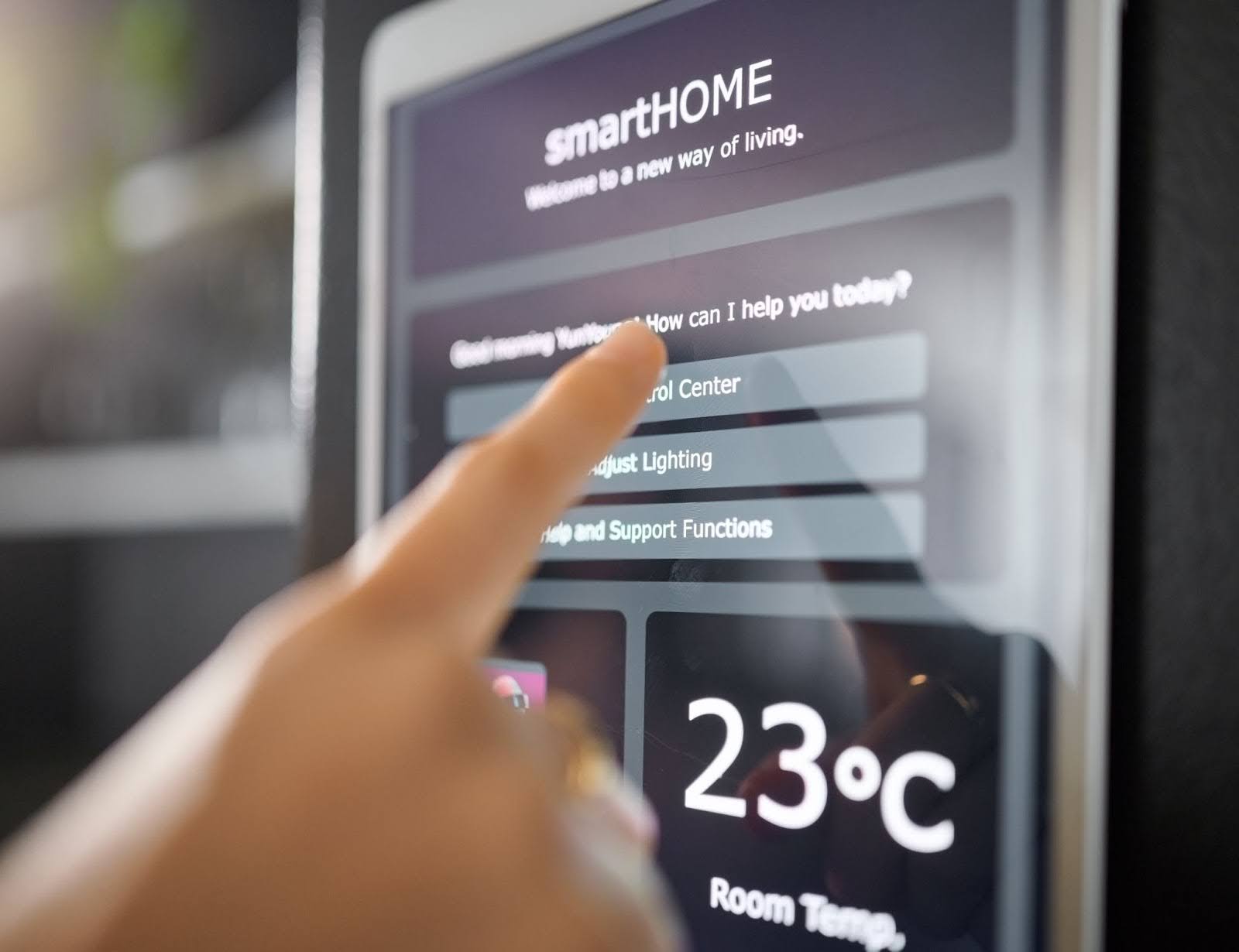
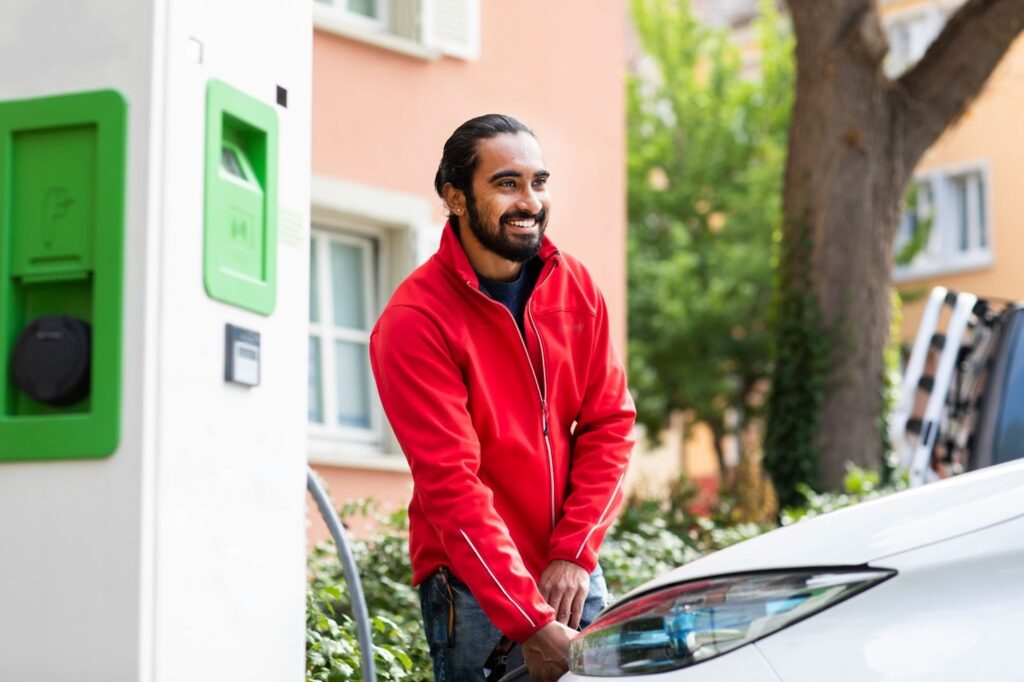
Modern chargers do more than move electrons; they schedule sessions, integrate with home energy systems, and balance loads between vehicles. A professional confirms Wi-Fi or hardwired connectivity is stable, configures load sharing if you have multiple EVs, and positions the unit to maintain signal strength. This is where convenience meets efficiency: your charger works with your lifestyle and your utility’s rate schedule instead of against them.
Off-Peak Scheduling
Programming the charger to run during lower-rate windows can trim monthly bills without changing your routine.
Load Sharing for Multi-EV Homes
Two chargers can automatically split the available capacity, ensuring both vehicles charge safely without tripping breakers.
Choosing a Pro for EV Charger Installation
Not all electrical work is equal. Look for a licensed, insured electrician with specific EV experience and references. Ask about permits, load calculations, and whether they’ll set charger amperage limits to match your circuit. A clear scope should include mounting method, conductor type, trenching or conduit runs, inspection coordination, and cleanup.
Credentials to Look for
Licensure, proof of insurance, and EV-specific training indicate the installer knows both the code and the nuances of charging gear.
Transparent Scope and Pricing
Written estimates that detail materials, labor, and contingencies help prevent change-order surprises.
Avoiding EV Charger Installation Pitfalls
Common problems include undersized wiring, overfused breakers, and chargers placed where cables get slammed by doors or tires. Skipping a permit may seem faster, but it could become problematic if a future upgrade or sale requires proof. Another mistake is ignoring future needs—adding a second EV later can double demand. A brief design conversation up front can prevent all of these headaches.
Getting Started With EV Charger Installation
Begin by choosing where you’ll regularly park and how quickly you need to charge. Collect basic info—panel amperage, distance from panel to charger location, and whether the run is indoors or outdoors. Share your vehicle model, charger preference, and any plans for another EV with the electrician. With that, a pro can produce a tailored plan: the right circuit, the right route, and a tidy install that feels invisible during the day and indispensable every night.
Visit our Orozco’s Electric Inc. blog to learn more about the benefits of professional EV charger installation.