Homeowners often turn to DIY fixes when electrical issues arise, but these tasks carry significant risks. A small wiring error can spark problems that spread rapidly inside walls. A certified electrical company provides training that helps keep those hazards under control. Their work protects your home and supports safer long-term use.
Why Certified Electrical Training Matters
Certified electrical training builds strong skills that support safer results. Electricians complete structured programs that cover wiring rules and load behavior. Their knowledge protects homeowners from unseen hazards. This foundation reduces the risks associated with DIY mistakes.
Skilled Education Builds Safer Wiring Work
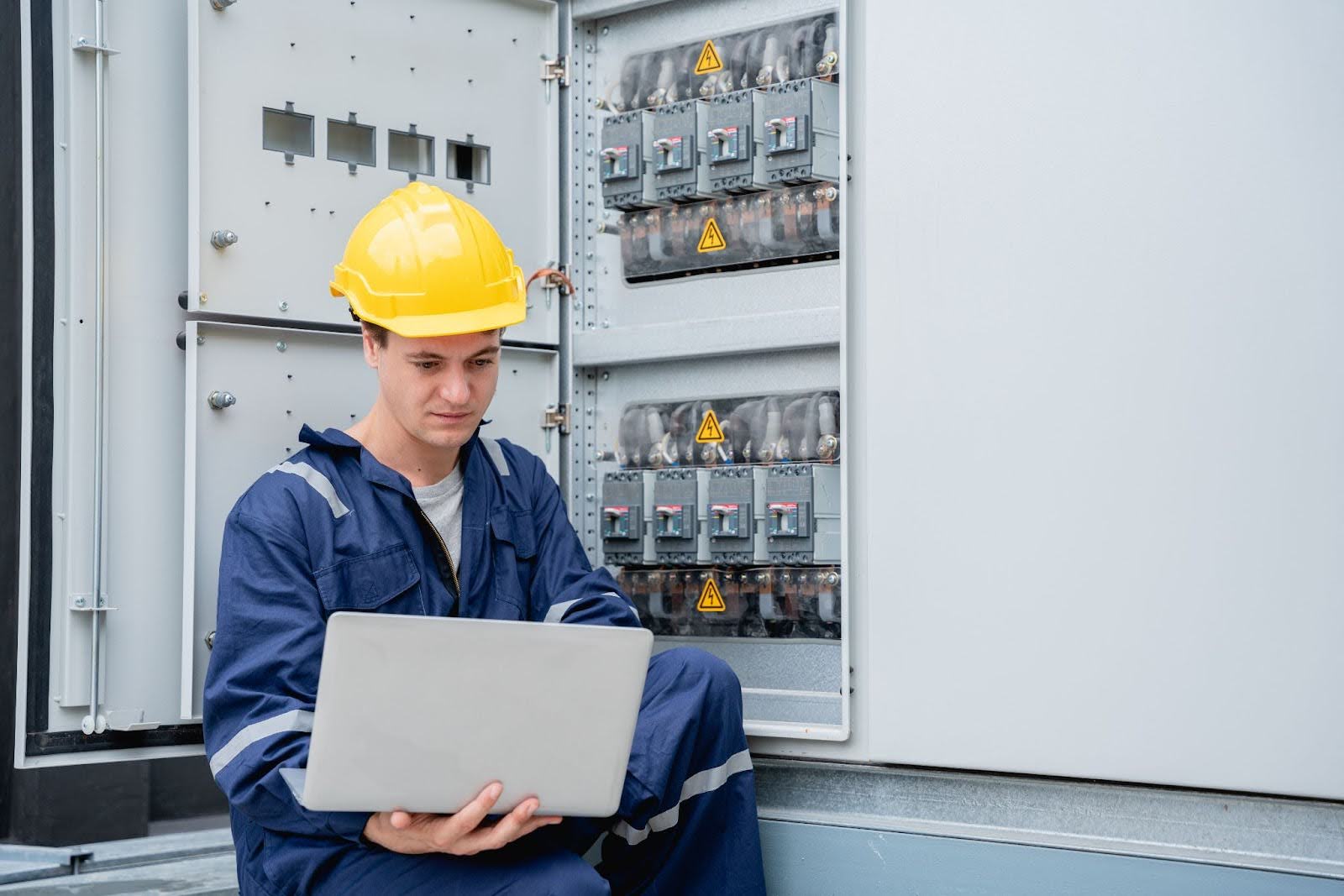
Certified electricians receive training in programs that instill safe habits. They study local codes that guide safe wiring choices. Their instructors teach real troubleshooting in controlled settings. This training builds quick awareness of hazards that develop inside homes. They practice with safe tools that accurately measure load. Each lesson helps them spot trouble before it spreads. Their training ensures that home systems remain stable during repairs.
Code Knowledge Prevents Dangerous Violations
Electrical codes define safe distances, wire types, and load limits. Certified workers track updates that change these rules each year. They choose materials that match these safety standards. Their planning avoids problems during home inspections or insurance checks. Homeowners gain protection from fines or repair delays. These workers build layouts that avoid overload risks. Their code knowledge protects the entire home structure.
Local Home Layout Knowledge Reduces Risk
Electricians understand patterns in homes across your region. They adjust methods for humidity, age, and soil conditions. Older homes often hide wiring that needs special handling. Local training prepares them for these hidden issues. DIY repairs lack this type of insight during upgrades. Skilled workers plan each step with local safety needs in mind. Their awareness reduces risks that homeowners often overlook.
DIY Electrical Risks Hidden Behind Walls
DIY repairs hide threats that grow behind walls or ceilings. Wiring failures often start in small areas. These failures spread heat or sparks without warning. A certified electrician blocks these hazards with accurate work.
Concealed Wiring Creates Serious Home Hazards
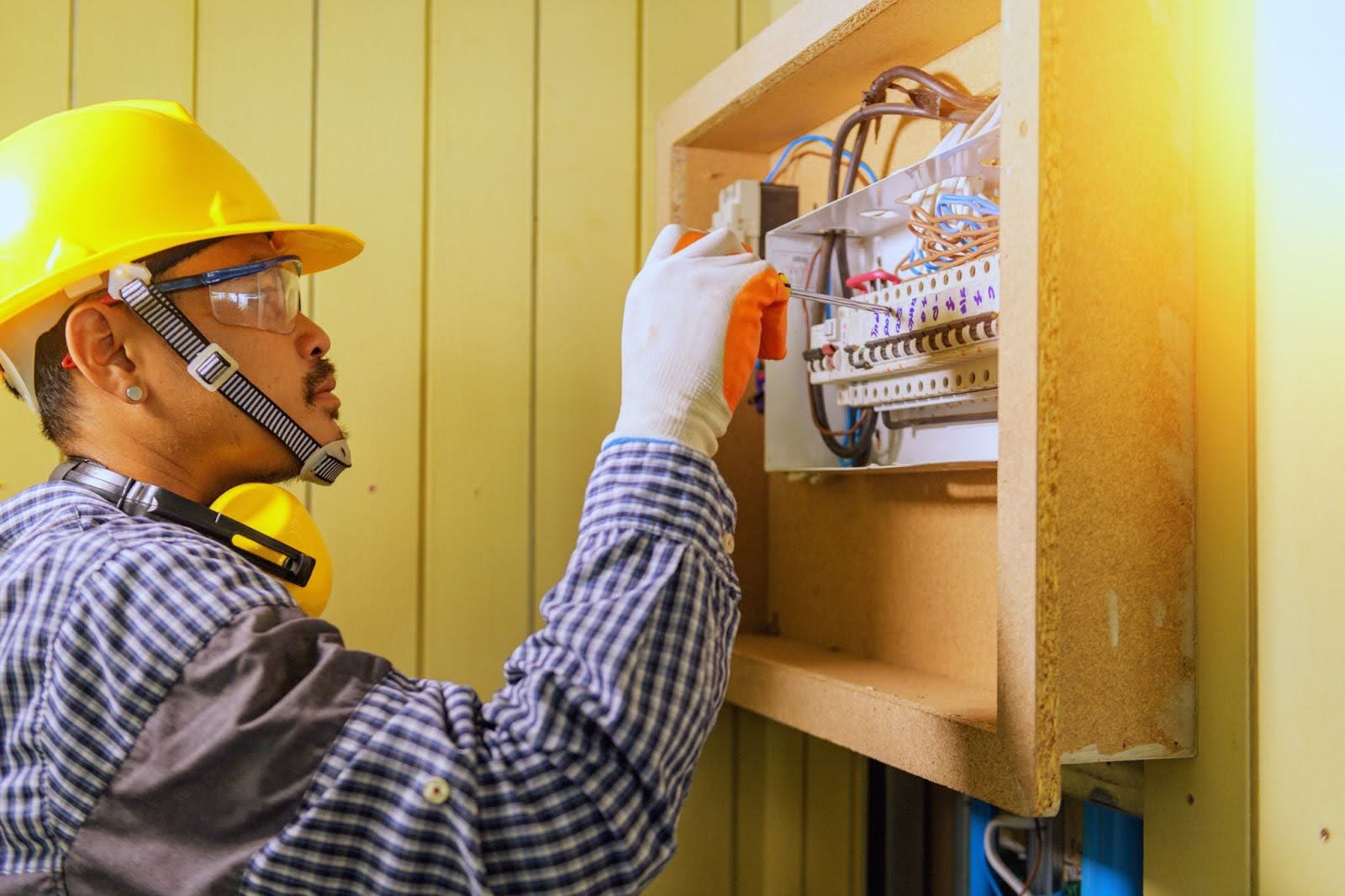
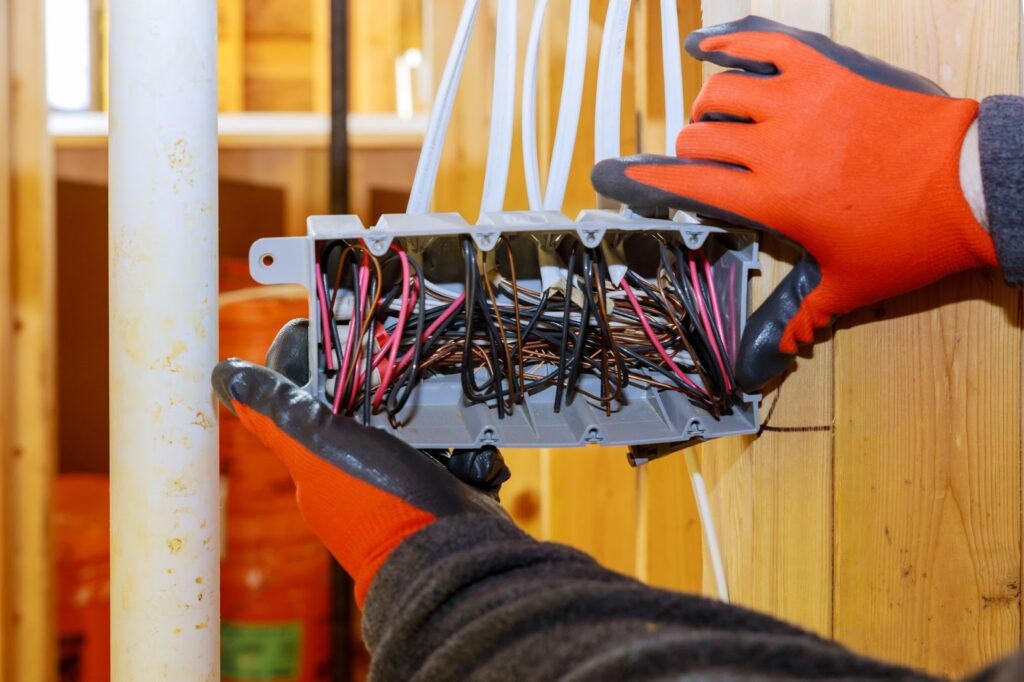
Wires inside walls are exposed to heat, pressure, and the effects of aging. Loose connections spark when metal shifts under tension. Panels conceal components that respond quickly to errors. DIY attempts often rely on guessing wire functions by color alone. Guesswork creates cross connections that spread heat quickly. Electricians test each line before handling any part of it. Their methods stop dangerous reactions inside confined areas.
Minor Mistakes Turn Into Wide Hazards Fast
Minor errors become significant problems when circuits carry a load. Wrong wire sizes strain panels and attached devices. Loose splices release heat that damages insulation. Sparks start when old wires come into contact with exposed metal. These issues grow when DIY repairs skip testing steps. Skilled workers inspect each point to ensure the load is tracked safely and securely. Their approach blocks hazards before they reach the rest of the home.
Unmarked or Aging Wiring Raises Shock Risks
Older homes often conceal wires that deteriorate slowly over time. Their covers split, exposing metal that sparks under stress. DIY repairs rarely find these breaks during quick fixes. Unmarked wires confuse homeowners during disconnect attempts. Wrong choices trigger shocks that spread across the line. Professionals test each run to find aging or open spots. Their checks prevent dangerous contact during repairs.
Moisture and Heat Problems Often Go Unseen
Moisture inside walls corrodes wiring near outlets or switches. This decay sparks when circuits pull a heavy load. Heat accumulates where wires are crowded inside small spaces. Homeowners cannot track these patterns without proper tools. Electricians measure heat and moisture around each system zone. Their readings guide safe repairs in risky areas. These checks protect the home from hidden failures.
How a Certified Electrical Company Improves Safety
Certified electricians follow tested methods that lower accidents. They use tools shaped for safe testing and secure wiring work. Their structure keeps each step controlled. This process reduces danger inside the home.
Professional Tools Support Safe Electrical Work
Electricians use testers that measure load without direct contact. These devices prevent shocks during system checks. They also carry cutters that grip wires during precise trims. Homeowners rarely own tools with similar safety ratings. Proper tools help avoid slips that expose live parts. Workers ensure that the gear is calibrated for accurate readings. These steps reduce errors during repairs.
Protective Gear Shields Workers From Injury
Certified workers wear gloves that resist electrical shock. They use shields that block sparks during panel access. Their shoes provide grip that prevents slips on smooth floors. These layers reduce the risk of injury around live circuits. Homeowners often skip this gear during DIY attempts. Missing protection increases danger near charged systems. Pro teams lower this risk through better equipment.
Testing Before and After Work Confirms Safety
Electricians test circuits before opening any panel or box. They use specialized tools to search for heat spikes or unstable loads. After repairs, they retest to confirm stable flow. These steps keep wiring safe during daily use. Homeowners often rely on guesswork rather than thorough testing. Missed checks allow problems to spread quietly. Skilled workers prevent this with consistent routines.
Clean Workspaces Reduce Later Fire Threats
Debris near wiring acts as fuel when the heat rises. Professionals clear scraps to keep panels clean. They use covers that block dust from reaching exposed metal. Clean wiring paths help reduce sparks in tight areas. DIY repairs often leave loose parts behind the walls. These parts pose a fire risk after months of use. Electricians close each space in a clean, controlled condition.
Benefits Homeowners Gain From Professional Care
Homeowners gain peace when experts handle electrical work. DIY stress fades when risks drop. Systems run smoothly with fewer failures. This stability supports safer home living.
Skilled Work Removes Guesswork From Repairs
DIY methods rely on trial and error during demanding tasks. Wrong guesses lead to repair cycles that repeat often. Professionals follow steps shaped by proven knowledge. Their work avoids the confusion that usually accompanies DIY attempts. This approach helps reduce the stress associated with home electrical issues. Fewer surprises appear after projects finish. Homeowners gain confidence with stable power flow.
Safe Wiring Helps Home Value and Function
Strong wiring supports home buyers looking for dependable systems. Safe upgrades reduce future owners’ repair needs. Inspectors view professional work with greater trust. This advantage is invaluable during sales or refinancing steps. Proper wiring also runs longer without breakdowns. These benefits improve daily comfort inside the home. Better electrical care leads to a smoother living experience.
Reduced Disruptions Improve Home Routines
Failing wiring interrupts routines at the worst times. Lights flicker and outlets lose power when subjected to stress. Professional repairs reduce these disruptions quickly. Their work produces smoother power flow. This stability protects devices during daily tasks. Homeowners avoid sudden shutdowns that slow their day. Steady systems support reliable living.
Insurance and Warranty Protection You Benefit From
Certified electricians carry coverage that protects homeowners. These protections shield against losses linked to accidents. Warranties support repairs after projects end. These advantages build strong trust.
Insurance Coverage Protects Your Home and Budget
Insurance pays for damage resulting from work-related accidents. This coverage shields homeowners from heavy repair bills. DIY work offers no support in the event of an accident. A single mistake can lead to costly damage. Professionals carry policies that protect property during complex tasks. This coverage reduces financial pressure after repairs. Coverage gives homeowners reliable support.
Warranties Back Each Service With Support
Certified companies offer warranties for parts and labor. These guarantees handle issues that may return later. DIY repairs do not include follow-up help. Warranties add security after challenging upgrades. They show confidence in both their hardware and their skills. Homeowners gain trust from this level of backing. These protections raise long-term home safety.
DIY Electrical Costs and Professional Pricing
DIY repairs seem cheaper at first glance. Hidden faults raise costs later. Professional work avoids these long repair cycles. Safer methods lower unexpected expenses.
DIY Damage Often Leads to Pricey Repairs
DIY mistakes cause strain inside panels or outlet boxes. Sparks damage appliances tied to the same line. Fire risk increases when wires overheat without proper control. These problems demand costly fixes once damage spreads. Skilled workers stop these threats during the early stages. Their steps limit hazards around sensitive wiring. This approach prevents deep damage and future expense.
Professional Work Cuts Long-Term Electrical Costs
Better wiring reduces repairs each year. Steady circuits protect devices from power dips. Homes save money when systems run efficiently. Skilled planning reduces strain on household circuits. Less strain reduces hardware breakdowns. These savings grow with safer long-term use. Professional work supports substantial value over time.
Safe Wiring Avoids Failed Home Inspections
Inspectors find unsafe wiring during home sales. DIY work rarely passes these detailed checks. Failed inspections delay moves and raise repair bills. Professional wiring easily clears these tests. Buyers trust homes with secure electrical layouts. This trust supports smooth sales processes. Clean results help homeowners move forward.
When Your Home Needs a Certified Electrical Company
Electrical issues can escalate rapidly when left unaddressed. Warning signs show when it is time to call a pro. Some tasks should never be attempted as DIY work. Skilled support safeguards the home against emerging hazards.
Warning Signs That Need Expert Help Quickly
Breakers that trip frequently often indicate deeper issues with the load. Hot outlets signal stress inside tight wiring paths. Flickering lights reveal unstable power flow. Small shocks indicate grounding problems. These conditions worsen without proper attention. Professional testing locates the source quickly. This detection prevents risks that spread into other rooms.
Tasks No Homeowner Should Attempt Alone
Panel upgrades require controlled handling and careful load planning to ensure safe and efficient operation. High-capacity circuits demand training before any connection. Outdoor wiring requires materials that are designed for weather resistance. Kitchen circuits are exposed to moisture, leading to rapid dimming. Homeowners risk injury attempting these tasks alone. Skilled workers follow procedures shaped by field experience. Their steps maintain safe operation during challenging projects.
Old Home Wiring Needs Trained Oversight
Aging systems weaken inside walls over time. Wires crack under heat, creating open gaps. DIY repairs stress these weak points further. Electricians track heat patterns that show trouble—they reveal exposure to worn lines before failures. Skilled insight guides safe maintenance on older homes. This guidance prevents significant electrical breakdowns.
Load Balancing Requires Detailed Planning
Homes run multiple devices simultaneously across different rooms—circuits strain when loads are unbalanced. DIY attempts often place heavy items on weak lines. This imbalance can lead to burnout or spark during high use. Certified workers plan circuits with accurate load spacing. They test levels before closing the system. Balanced wiring protects homes from overload events.
Protect Your Home With a Certified Electrical Company
A safer home begins with choices rooted in skill, not guesswork. Certified electricians bring steady control to problems that can grow fast inside walls and panels. Their work strengthens your home’s safety, performance, and long-term reliability. Reach out to a certified electrical company and move forward with confidence in every switch, outlet, and circuit.
Strengthen your understanding of home safety with expert tips that matter. Head to the Orozco’s Electric Inc. blog for fresh, reliable electrical guidance.