Business owners face tight schedules, rising demands, and complex systems that rely on dependable power. Electrical issues disrupt planning and slow operations when they appear without warning. A professional inspection helps uncover hidden faults before they grow and affect output. Each step gives owners insight into risks and stability. A stronger system starts with understanding what an inspection covers.
Why a Commercial Electrical Service Inspection Matters
A commercial electrical inspection protects daily operations with clear findings that guide better decisions. It supports safety across work areas and reduces hazards caused by aging or strained wiring. It also helps owners stay aligned with updated codes that protect buildings and staff. Each review builds a stronger path toward steady performance.
Main Panel Review During Service Inspection
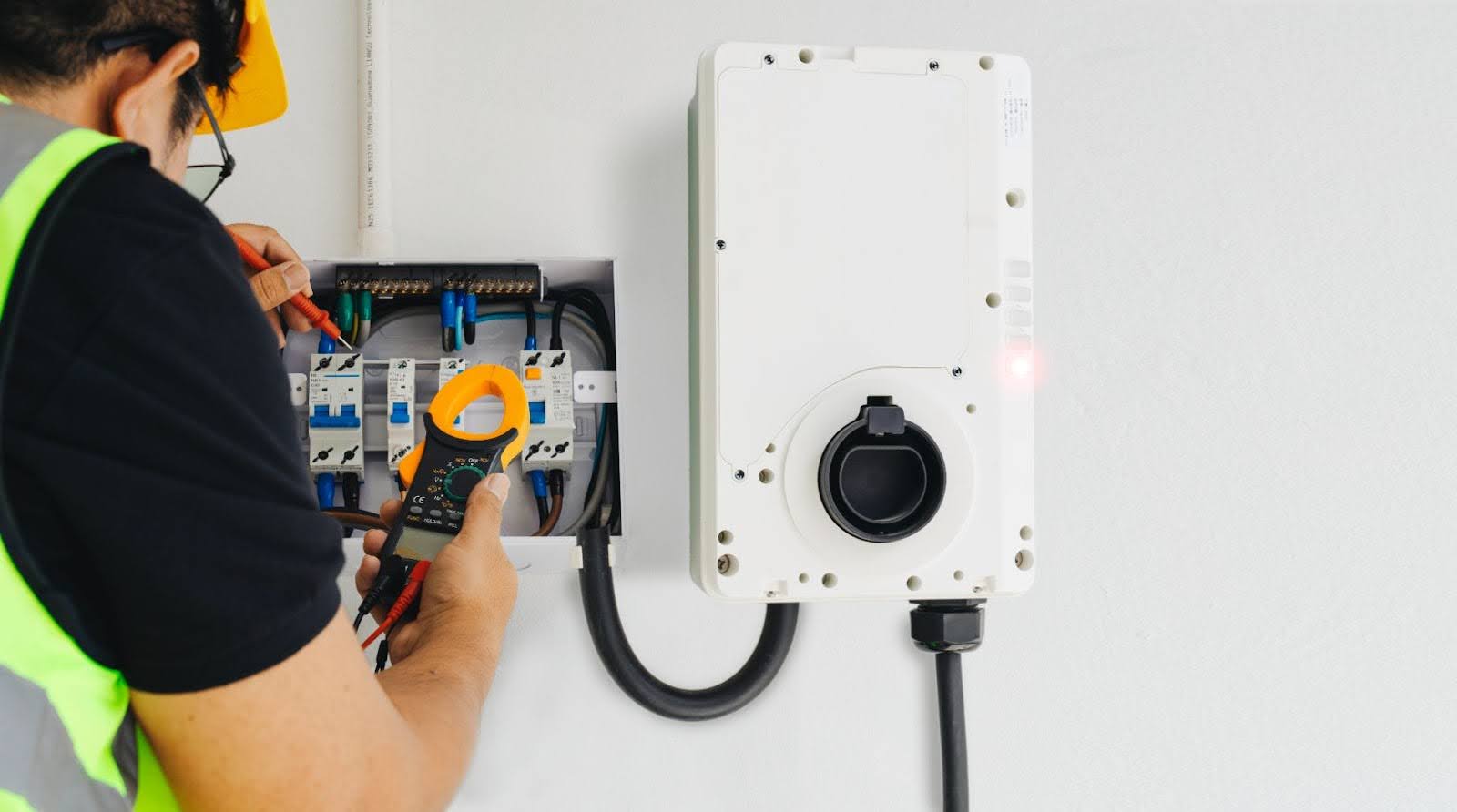
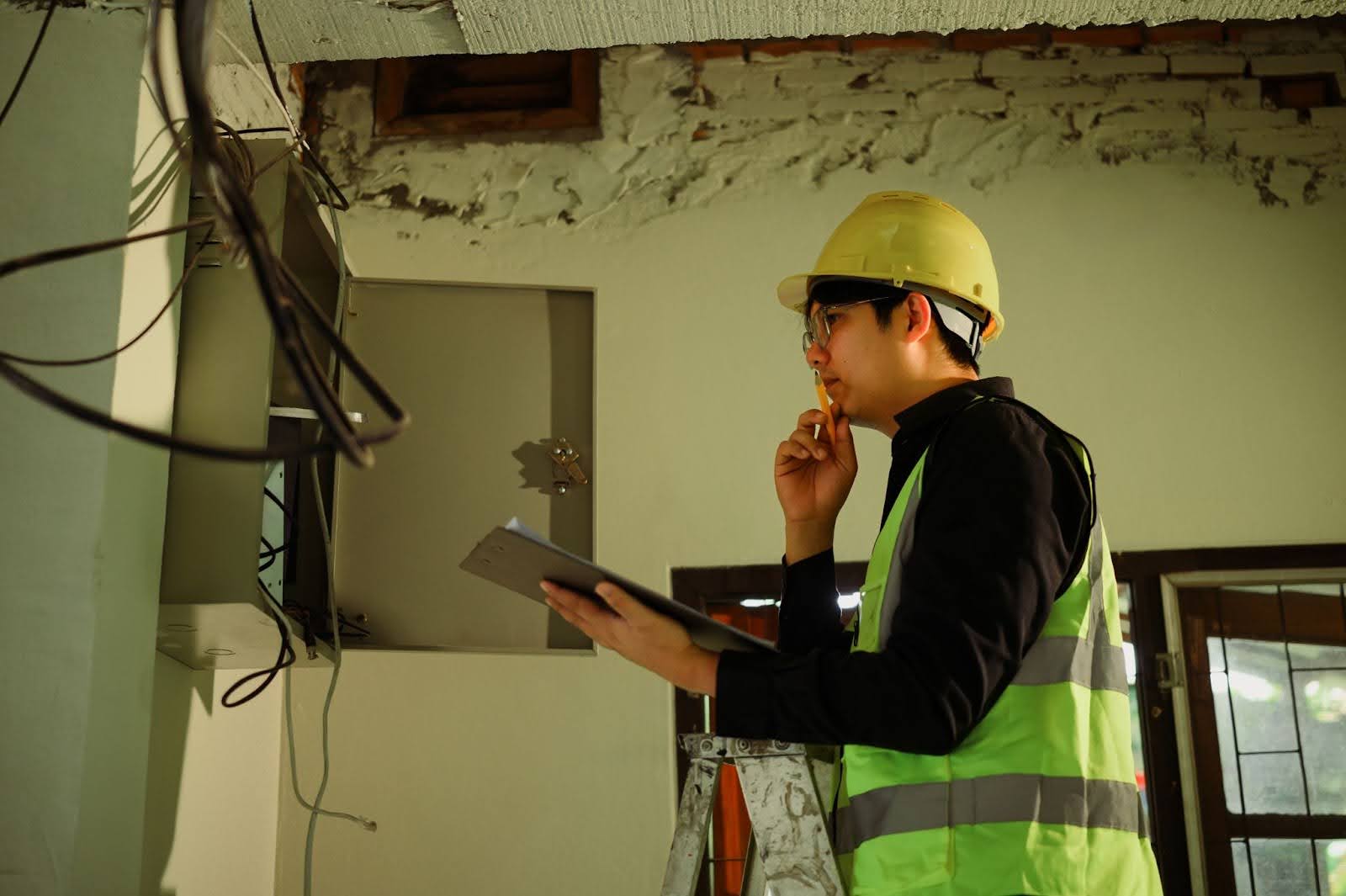
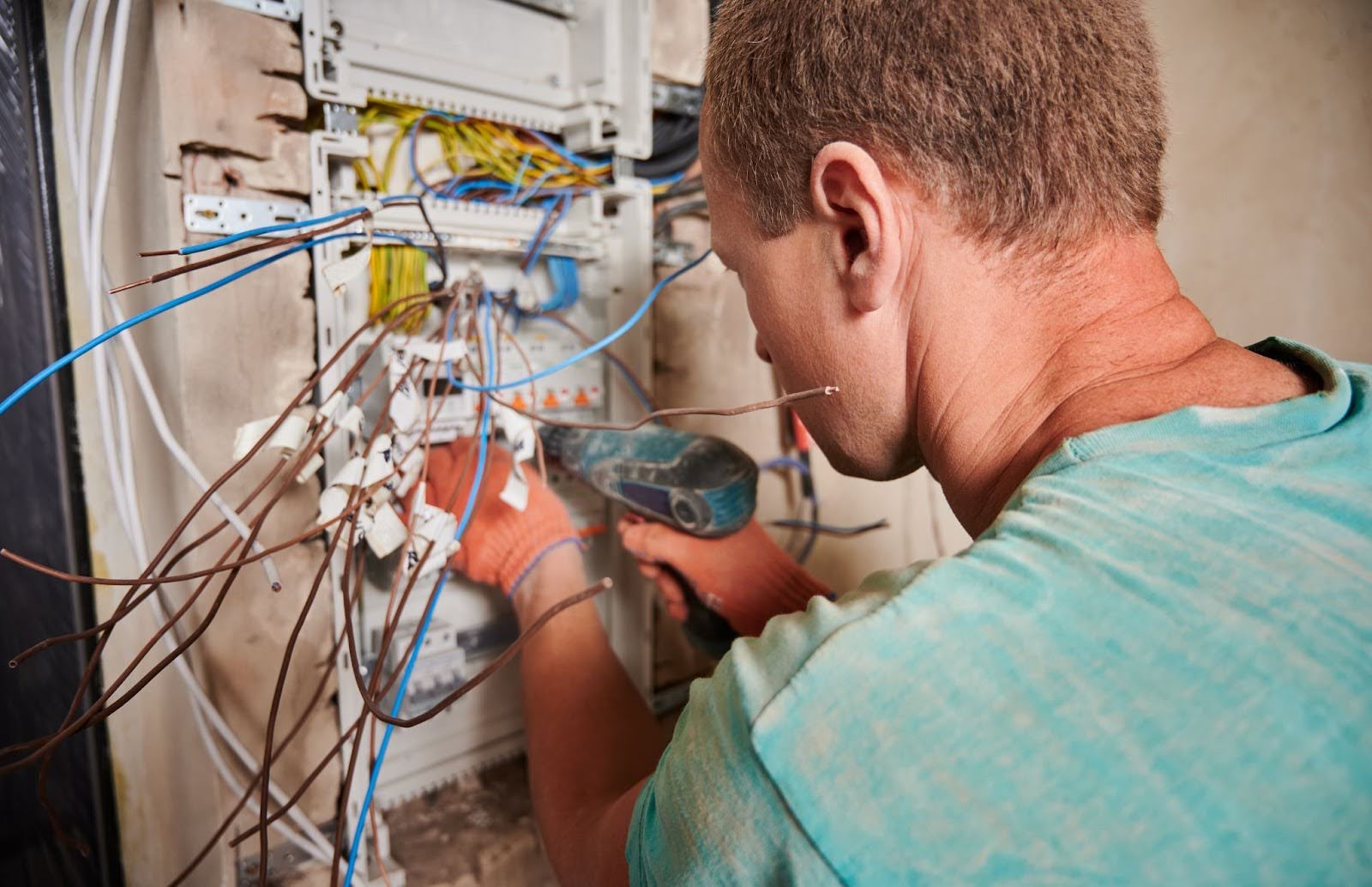
An inspection begins with a full review of the main electrical panel, which controls each circuit in the building. Inspectors study breaker movement, heat marks, and load balance to see where strain develops. A labeled panel helps guide faster responses when issues arise. Damaged insulation or rust signals deeper concerns that need quick attention. Each detail shapes a clearer picture of electrical performance. These insights help owners plan needed upgrades with confidence.
Wiring And Conduit Checks In Commercial Sites
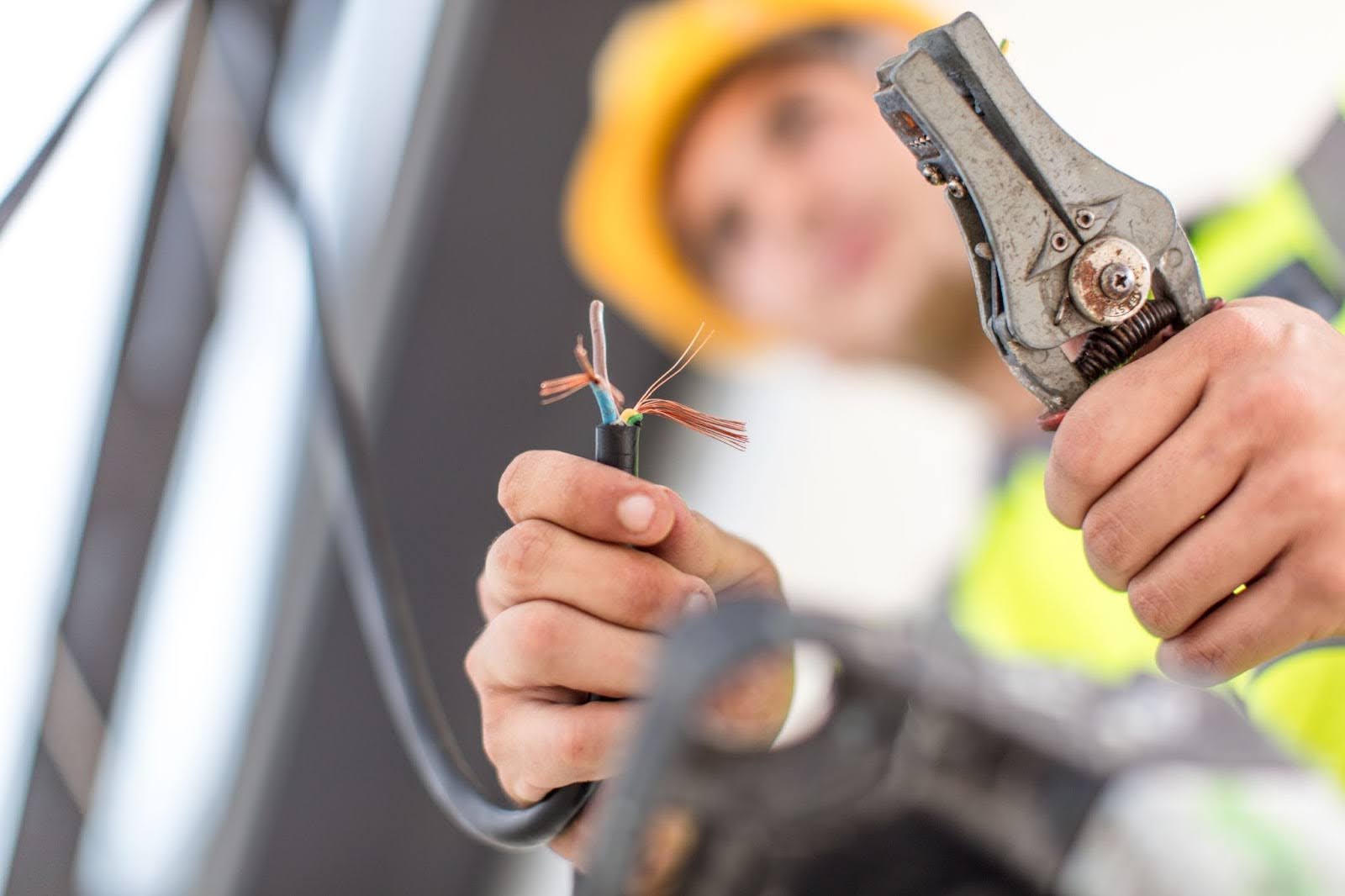
Inspectors review wiring runs and conduit paths to detect wear, damage, or poor installation habits. They look for cracked jackets, exposed metal, and bends that cause stress on the wires. Wrong wire gauge choices often cause overloads during high-demand operations. Damaged conduit exposes wiring to heat, moisture, or debris. Each issue increases the chance of outages or equipment failure. These checks protect workflow and help maintain safer buildings.
Testing Outlets, Switches, And Fixtures
Inspectors test outlets and switches for clean grounding, tight links, and smooth response. Loose devices can spark small arcs that damage equipment and pose hazards. Aged fixtures may dim or flicker when the load shifts, distracting staff and slowing work. Cracked plates and missing covers raise safety risks and invite dust. Each test identifies points that need repair or replacement. These upgrades support dependable performance across all work zones.
Lighting Review In Commercial Facilities
Lighting affects workflow, task accuracy, and workplace safety. Inspectors study each fixture for output strength, color consistency, and stable function. Weak or unstable lighting hides hazards in walkways and service rooms. Emergency lighting gets checked for battery life and instant activation. Damaged fixtures raise fire risks and slow daily operations. These findings guide better lighting plans across the facility.
Breaker And Fuse Performance Testing
Inspectors test breakers to confirm that each unit trips fast during load spikes. A slow- or sticking-breaker exposes equipment to dangerous surges. Fuses also get checked for proper size and clean contact. Loose or worn parts allow heat to build inside the panel. These issues grow into outages that cost time and money. Each test keeps the system responsive and strong.
Inspection Of High-Demand Equipment Circuits
Businesses that use high-power machines need circuits that stay stable under pressure. Inspectors study each line for load consistency, grounding strength, and heat buildup. Vibration, dust, and long run times strain these circuits faster than standard lines. Poor performance signals deeper faults that may spread. These findings help owners schedule upgrades with clarity. A strong circuit protects equipment and improves daily output.
Safety Measures for Commercial Electrical Service Work
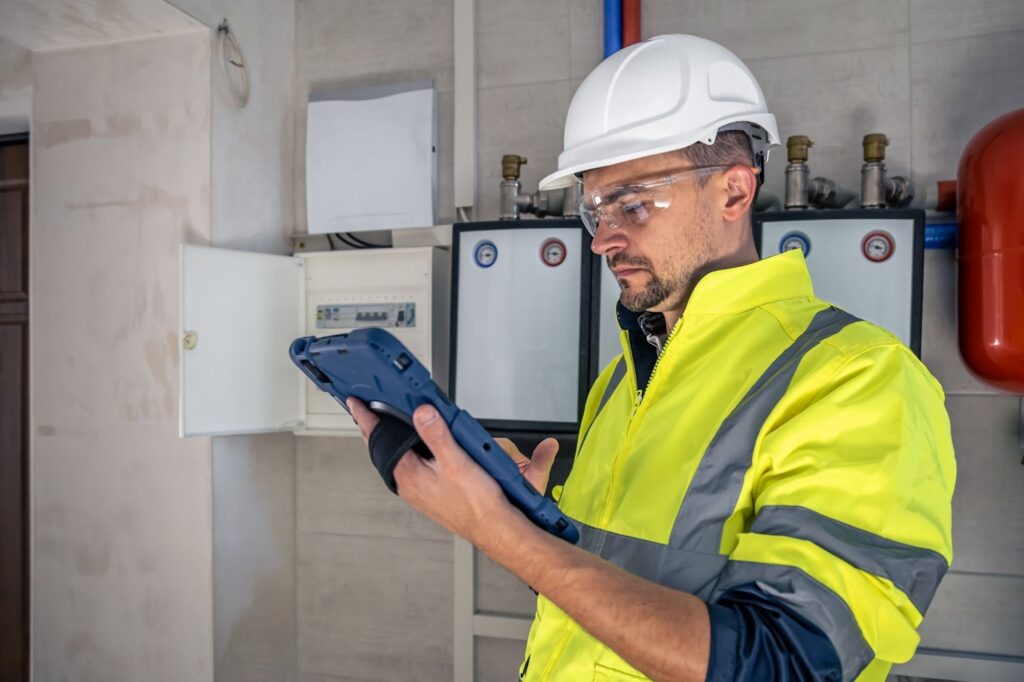
A commercial electrical inspection relies on strict safety measures to protect staff, property, and equipment. Commercial electricians follow controlled methods that guide each test and reduce risk. They use tools and procedures to accurately identify unseen issues. Each practice supports safe work zones and reliable results.
Lockout And Tagout Steps In Inspections
Inspectors start with lockout/tagout steps that isolate power before work begins. A locked breaker stops anyone from restoring power during testing. A clear tag alerts staff that the circuit is under review. This method prevents shocks and keeps the team safe at all times. It also keeps the inspection area controlled and predictable. These steps give owners confidence in the process’s safety.
Infrared And Diagnostic Scan Use
Thermal tools detect hot spots within panels, conduits, and equipment, often indicating hidden faults. Inspectors compare these heat patterns to expected loads and ratings. A sudden spike usually points to loose links or internal strain. These findings guide targeted repairs that save time. Diagnostic scans also help confirm that circuits stay steady under pressure. This process gives owners deeper insight into system behavior.
Code And Regulatory Compliance Checks
Electrical codes shift every year as new safety research expands. Inspectors compare each part of the system with updated rules that protect buildings and staff. Old wiring habits, damaged components, and outdated equipment often lead to code violations. These violations increase audit risks and create delays. Corrections support safer working conditions and stronger operations. This review keeps businesses aligned with current standards.
Grounding And Bonding System Verification
A strong grounding system directs fault current away from people and equipment. Inspectors track grounding paths for loose clamps or corrosion. Weak links disrupt system stability and raise shock risks. Bonding straps keep metal parts electrically connected and maintain safe continuity. These parts weaken over time and need regular checks. This process protects the facility during high-load events.
Surge And Arc Fault Protection Testing
Arc faults create sparks inside walls, igniting fires across commercial buildings. Inspectors test arc-fault units for rapid response and proper function. Surge devices also get checked for damage from past storms. Weak surge units expose gear to harsh spikes that destroy controls and computers. These protective tools reduce risk and
shield equipment. This review supports stronger system resilience.
How a Commercial Electrical Service Inspection Helps
A commercial electrical inspection protects daily operations with insights that reduce outages and future repair costs. Owners gain awareness of strain points that work against system performance. This clarity helps guide upgrades that align with load growth and workflow needs. A safer electrical network also supports smoother business planning.
Downtime Prevention Through Detailed Inspections
Electrical failures stop production, slow customers, and delay deadlines. Inspectors catch minor faults before they disrupt operations. Quick repairs cost less and remove stress from busy schedules. Staff also work with confidence when systems stay stable. Power reliability shapes productivity across every department. This process protects revenue and minimizes interruptions.
Extending The Life Of Electrical Assets
Strain wears panels, wires, and breakers faster than most owners expect. Inspections reveal where stress builds and why parts weaken. Corrective work slows wear and keeps equipment strong. Replacement needs drop when systems stay balanced. Owners also gain more apparent timelines for future upgrades. This planning supports predictable growth.
Reducing Risk For Staff And Property
Faulty wiring raises fire hazards inside commercial buildings. Inspections cut those risks with clear fixes that protect staff and property. Stable grounding helps prevent shocks that harm workers. Better circuits lower the chance of equipment damage. Insurance claims drop when risks shrink. This stability supports long-term business health.
Improving Energy Use In Commercial Properties
Aging wiring and weak connections waste power and strain budgets. Inspectors detect waste through load studies and fixture checks. Simple upgrades cut power use and improve comfort. Better lighting helps staff work more accurately and efficiently. Intelligent systems also help manage energy across peak hours. This approach supports cost control.
Planning For Future System Needs
Growing businesses need power systems that expand without strain. Inspectors highlight circuits that need upgrades for new machines. This guidance protects work from outages during growth periods. Better planning reduces the urgency of repairs and stress. Owners gain clear insight into the path ahead. This alignment supports smooth expansion.
What Inspectors Review in a Commercial Electrical Service
A commercial inspection leads to clear reports and structured next steps that support more thoughtful planning. Owners receive detailed notes, photos, and priorities. These insights help guide budgets and upcoming repairs. Strong follow-through builds safer and more stable operations.
Report Review And Documentation Steps
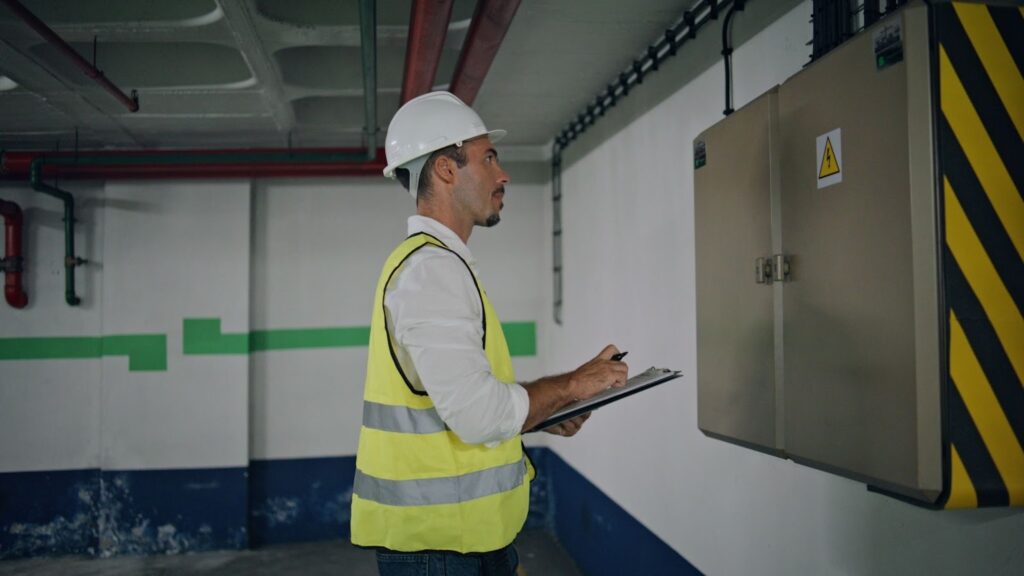
Inspectors prepare reports that highlight concerns, repair needs, and system strengths. Each issue is assigned a planning priority. Photos and notes add clarity for future reference. Owners review these findings with their contractor to plan next steps. This record supports long-term maintenance. Clear documentation improves facility management.
Repair And Upgrade Planning After Inspection
Owners use inspection results to decide which repairs need fast attention and which upgrades fit scheduled budgets. Inspectors explain how each issue affects safety or workflow. This guidance helps owners choose the best timing for each task. Upgrades also support new equipment demands. Staff work better when systems stay reliable. Each improvement builds long-term stability.
Creating A Maintenance Schedule
A steady maintenance plan keeps electrical systems strong. Inspectors help set intervals based on building size and load patterns. Regular checks catch minor issues before they create trouble. Staff feel safer with dependable support. Owners know what tasks lie ahead without guesswork. This predictability reduces stress.
Follow Up After Completed Work
Inspectors often return to confirm that repairs meet proper standards and work as expected. This review catches mistakes that appear during busy schedules. Owners gain confidence in each upgrade. The system benefits from this complete loop of care. Staff also gain trust in the building’s safety. This step strengthens long-term reliability.
Optimize Your Commercial Electrical Service Framework
A robust electrical infrastructure provides your business with the stability it needs to operate without stress or costly disruptions. Each step you take toward resolving inspection findings builds safer work areas and smoother production flow across your facility. Your next move shapes how well your system supports growth, protects staff, and handles rising demand. The best time to strengthen your electrical foundation is the moment you decide your business deserves a system built for long-term reliability.
Stay ahead of electrical issues before they disrupt your workflow. The Orozco’s Electric Inc. blog offers insights that help you plan with confidence.