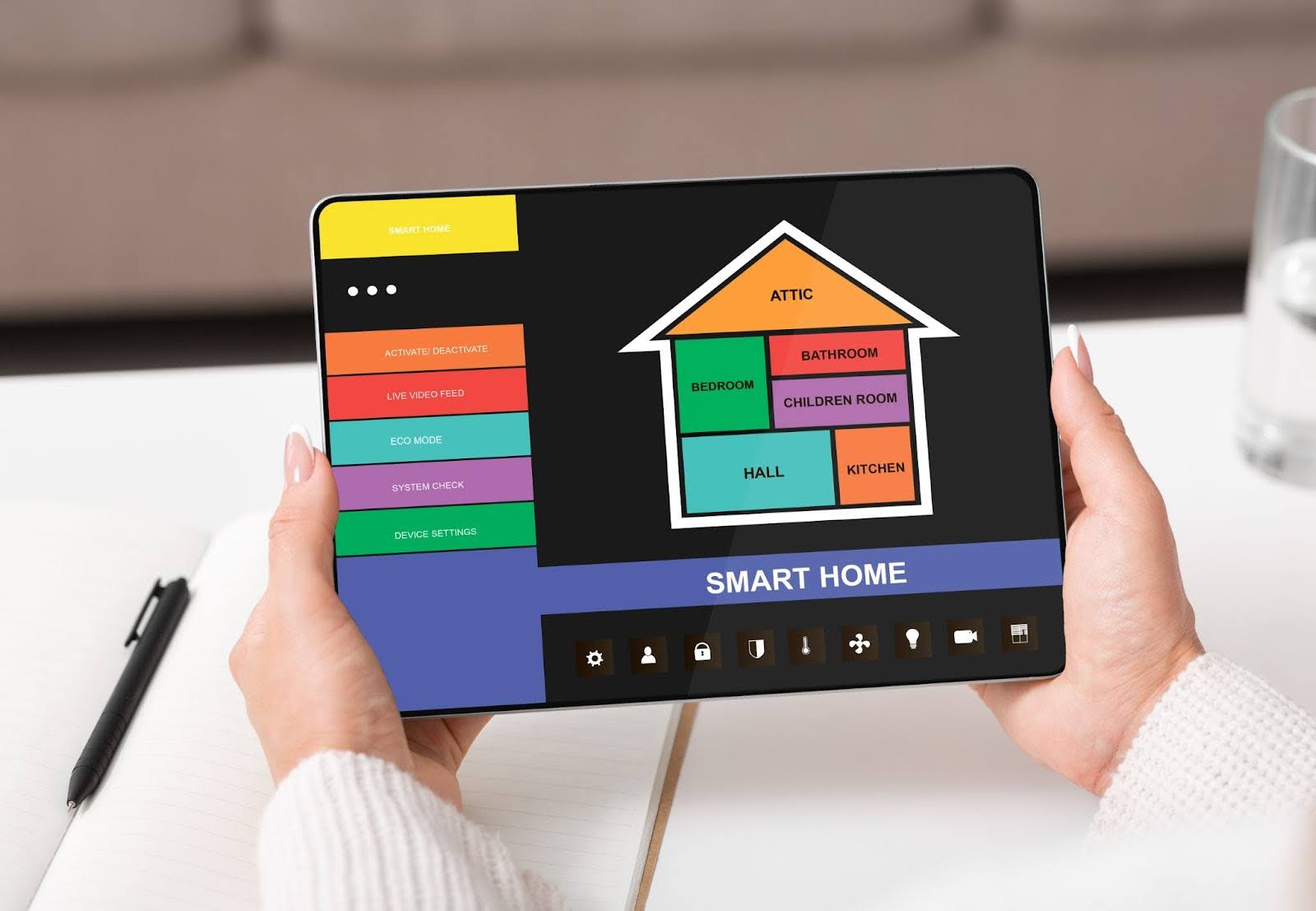
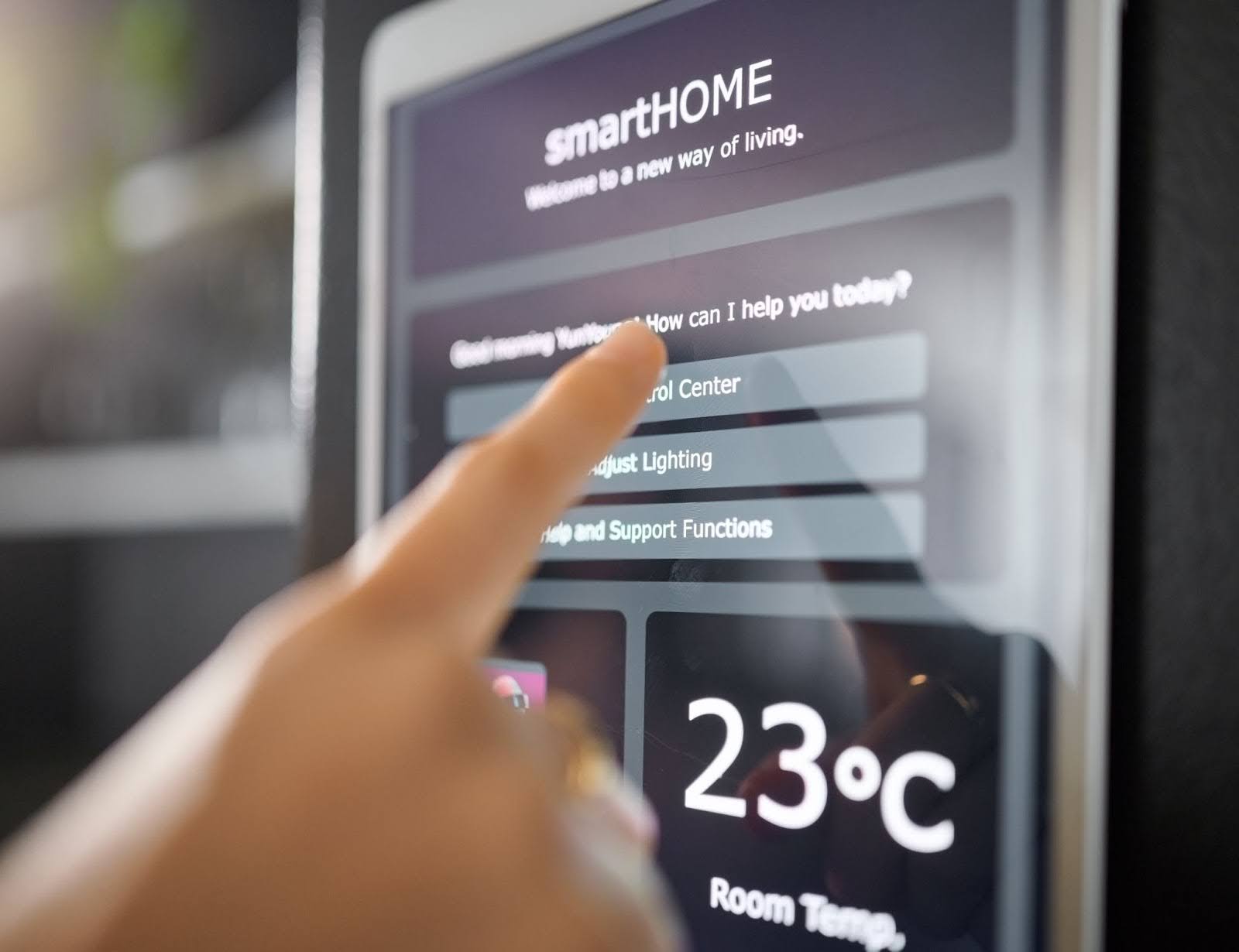
A smart home provides people with connected tools that quickly and accurately control devices. These systems support daily life with features that adjust to habits and needs. Each device works with apps or voice tools that guide clear actions. The setup improves comfort while keeping routines calm and steady. The idea resonates with people who want a space that feels responsive and simple to manage.
Smart Home Definition and Function
A smart home links devices that respond to commands through apps, voice tools, and sensors. These devices work together to control tasks such as lighting, climate, and security. The system updates in real time to match activity and patterns. This connected structure gives the home a smooth, precise flow.
How Smart Home Systems Work
Smart home systems rely on sensors that detect movement, light, sound, or changes in conditions. Each device sends data through a home network that supports fast communication. Commands reach devices through apps or voice tools that guide every action. Routines are activated by rules you create for daily tasks. This setup keeps each device aligned with your habits. This smooth flow creates a space that reacts with steady control.
Core Features of Smart Home Design
Core features include automation, remote access, sensor control, and device integration; smart lighting shifts brightness based on time or preferences you set. Climate tools adjust temperature while tracking power use. Security devices watch entry points and send alerts to your phone. Appliances share updates that guide cooking, cleaning, and storage. This complete system builds a home that supports comfort with steady attention to detail.
Growth of Smart Home Adoption
Smart homes are growing fast because people want simpler routines and more precise control. Device prices now fall into friendly ranges for many households. More brands support open systems that work with many platforms; homes with smart tech gain appeal for buyers who like connected features. The industry expands as new tools bring sharper accuracy. This trend highlights a steady shift toward homes that listen and respond.
Smart Devices That Shape Daily Life
Smart devices shape routines with tools that adjust in real time. They reduce stress by guiding tasks with clarity and speed. The system creates a home that supports comfort with steady responses. This structure blends technology with simple daily habits.
Smart Lighting and Climate Tools
Smart lighting adjusts color, tone, and brightness to match each moment. Bulbs respond to schedules that wake people gently or set the room for rest. Thermostats track heating patterns to reduce waste while maintaining comfort. Sensors watch temperature changes and shift settings with precision. Voice tools guide actions when hands are full with other tasks. This combined setup creates a calm space that adapts to your rhythm.
Smart Security and Home Safety
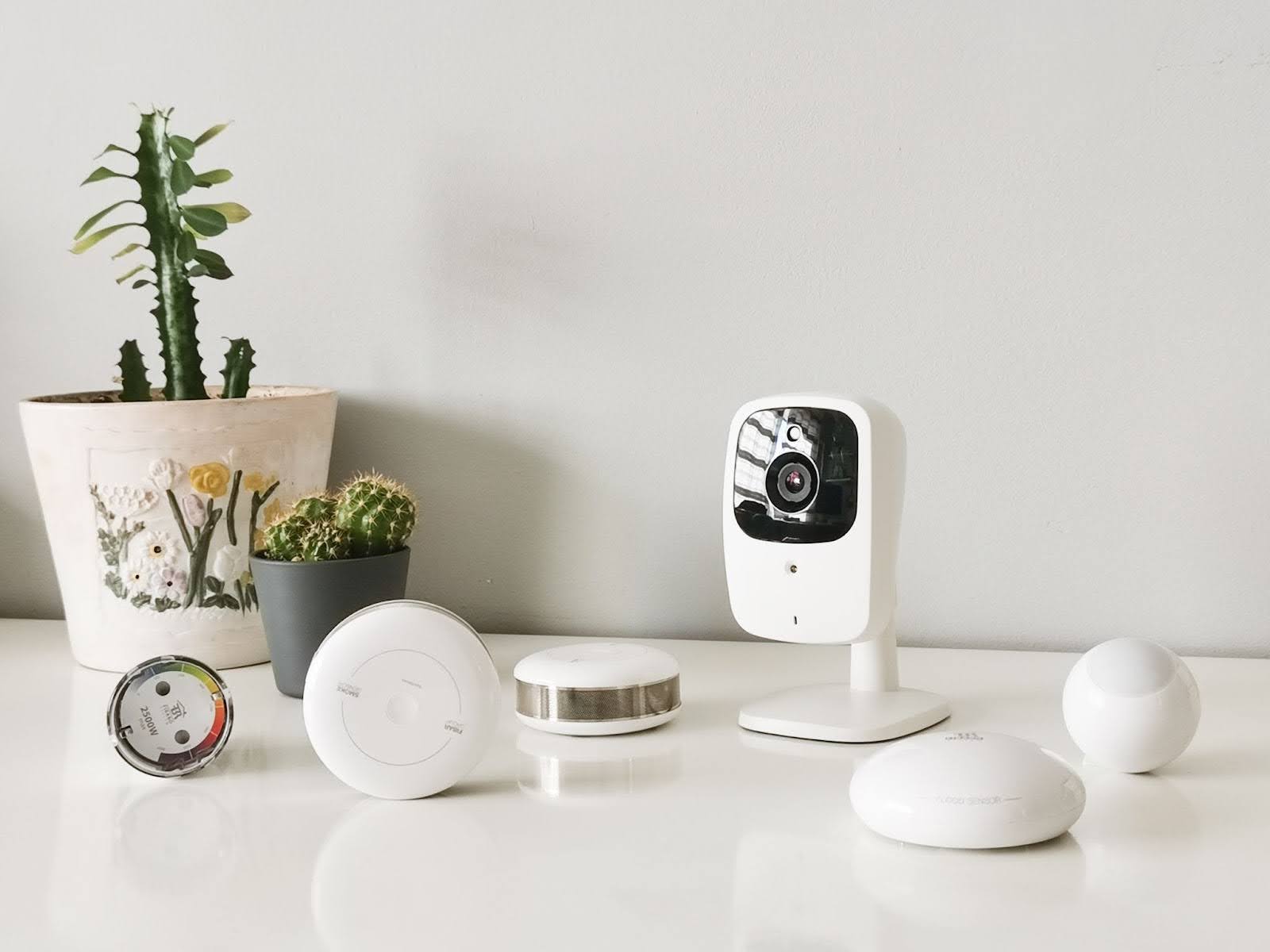
Smart locks, cameras, and sensors protect your home with alerts sent to your phone. Cameras record clear footage and notify you of movement at doors or paths; locks open or close with app access for secure entry when you are away. Smoke and leak sensors detect hazards before they spread. Monitoring apps store logs that help track patterns or threats. This security layer provides steady peace of mind for busy households.
Smart Appliances for Kitchen and Home
Smart appliances guide cooking, cleaning, and storage with features that adjust to routines. Ovens preheat according to your device’s schedule for safer cooking. Fridges track items and send reminders when key supplies run low. Washers alert you when cycles finish, saving time. Devices link with voice tools to start tasks with simple commands. This support reduces stress on packed days.

Smart Entertainment Devices
Smart TVs offer access to apps that load quickly and feature clean interfaces. Speakers respond to music requests within seconds. Media hubs organize movies, shows, and playlists in one place. Devices sync with lights to match mood or tone for work or rest. Apps help set the scene, shifting the room with color and sound. This setup makes your home feel tuned to each moment.
Wellness and Health Monitoring Devices
Smart wellness tools track sleep, movement, and daily stress patterns. Air purifiers adjust their speed when sensors detect poor air quality. Water reminders glow gently to guide hydration. Scales send metrics to apps that chart long-term progress. Wearables connect to home systems for constant updates. This set of tools supports a grounded and balanced lifestyle.
Why Homeowners Choose Smart Home Systems
Homeowners choose smart home systems because the tools simplify daily tasks. People also see clear value in energy control and stronger security. The setup reduces strain by letting devices respond without constant input. This system fits the pace of homes that run on tight schedules.
Convenience and Daily Comfort
Innovative tools help people start routines with fewer steps and a smoother flow. Lights shift at sunrise to support a calm start to the day. Thermostats adjust for comfort before you arrive home. Voice tools manage simple tasks that save time. Schedules guide appliances so chores finish sooner. This structure helps the home feel steady and supportive.
Energy Control and Savings
Innovative energy tools track how much power each device uses. Thermostats shift heating cycles to reduce waste. Lighting schedules cut power use in empty rooms. Appliances reveal patterns that guide better habits. Energy reports help show evident progress over time. This data helps reduce monthly budget strain.
Stronger Security Benefits
Smart security provides real-time updates that keep people aware of activity at home. Cameras show clear views day or night. Smart locks give controlled access for guests or service teams. Alarms link to phones for quick alerts at any time. Sensor logs provide insight into patterns you can track. This system helps people feel grounded and protected.
Support for Fast-Paced Lifestyles
Smart homes guide people through packed schedules with tools that cut effort. Automation handles tasks that repeat each day. Notifications help track chores or reminders. Devices adjust settings based on your actions or habits. Routines shift smoothly between morning and night. This support helps people maintain balance through busy cycles.
Setting Up a Smart Home
Setting up a smart home starts with clear goals for comfort and daily flow. The network forms the foundation for every device link. Users pick devices based on function, quality, and long-term growth. This steady plan helps systems run with confidence from the start.
Choosing a Smart Platform
Smart platforms guide how devices connect across the home. Assistants like voice hubs respond to commands with clean accuracy. Brands support different ecosystems, each with varying strengths. Users often choose based on compatibility, features, and comfort. Pairing devices becomes easier with strong platform support. This structure builds harmony in a connected system.

Network and Connectivity Needs
A strong Wi Fi network supports every command and action. Routers provide the range and speed needed for smooth communication. Devices respond faster when signals stay strong in every room. Homes with many innovative tools may need upgraded bandwidth. Router placement helps remove weak zones. This stable base keeps the entire system running well.
Installation and Maintenance
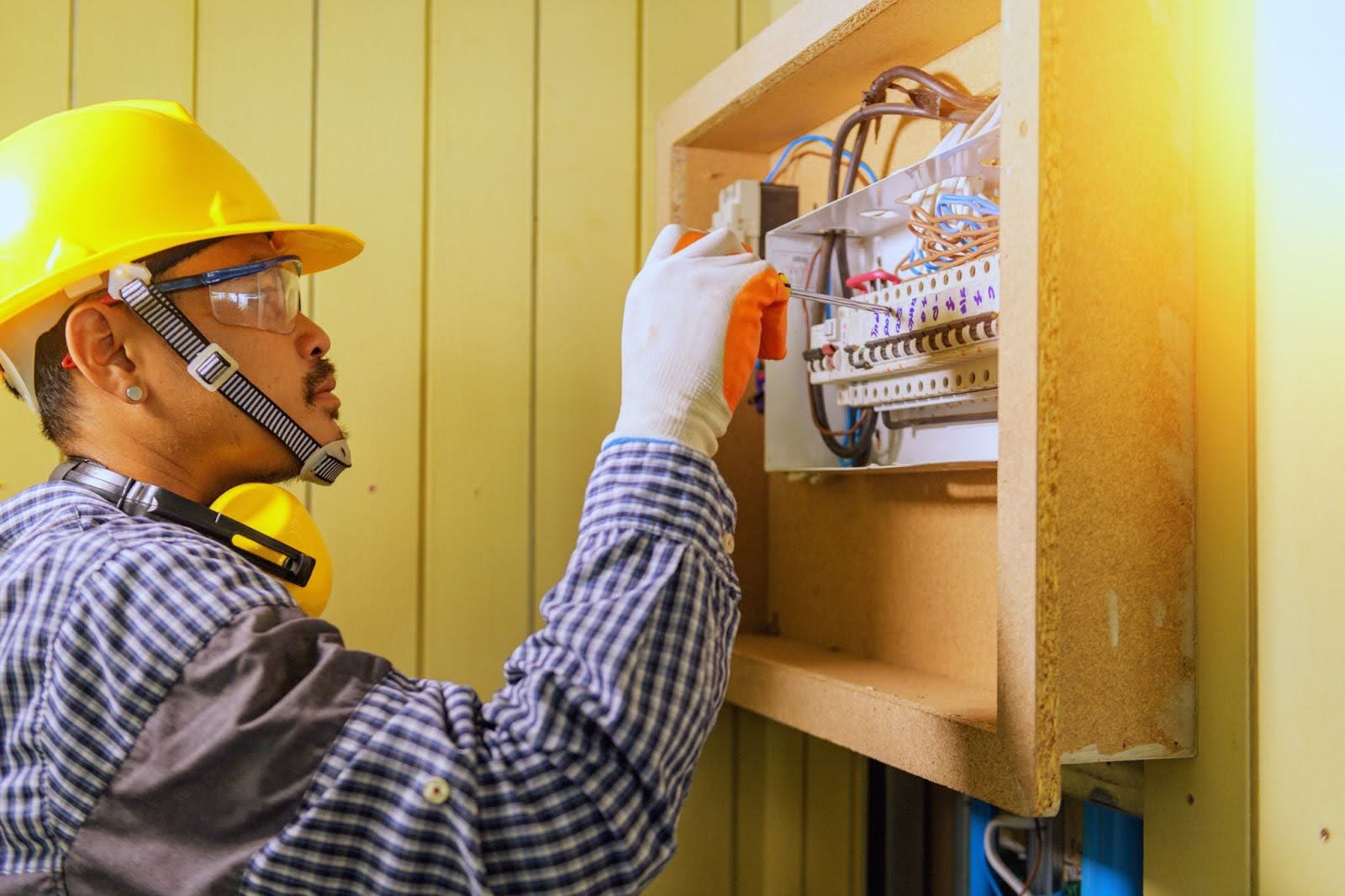
Installation depends on device type and user comfort. Some products offer simple steps through guided apps. Complex tools may need support from trained technicians. Routine updates improve safety and operation. Cleaning sensors helps each device stay sharp. This care keeps the home running smoothly.
Privacy and Data Control
Smart homes gather data that reflects routines and habits. Users protect access with strong passwords and two-factor tools. Apps offer logs to monitor every device action. Encryption shields signals as they travel across networks. Settings let users control how much data they share. This careful approach helps keep the home secure.
Planning for Future Expansion
Smart homes grow as needs shift or spaces change. People often add lighting, sensors, or appliances over time. Planning prevents issues with hubs or power supply. Compatibility guides wise choices for smooth expansion. A steady base helps devices stay organized. This approach keeps the system ready for growth.
Why a Smart Home Matters Today
A smart home provides people with tools that support comfort, safety, and clarity while shaping routines with smooth, steady control. Devices work together in real time to cut effort and guide tasks with simple actions. Homeowners gain precise control without complex steps or stress, which helps keep days balanced. Security tools raise awareness with sharp alerts that protect the home. Energy features reduce waste and improve comfort through steady adjustments. Routines help mornings and evenings flow with calm structure. This connected design creates a home that feels ready for modern living and future growth.
Step Into Smarter Living Today
A smart home gives you practical tools that bring clarity, comfort, and steady support into each day. The shift starts with one choice that shapes a space built around your needs and routines. Every connected upgrade adds real value, strengthening how you live, work, and rest. Now is the right moment to begin shaping a home that responds with purpose and moves in rhythm with your life.
Take the next step toward informed home upgrades by visiting Orozco’s Electric Inc. blog for clear guidance and expert advice.