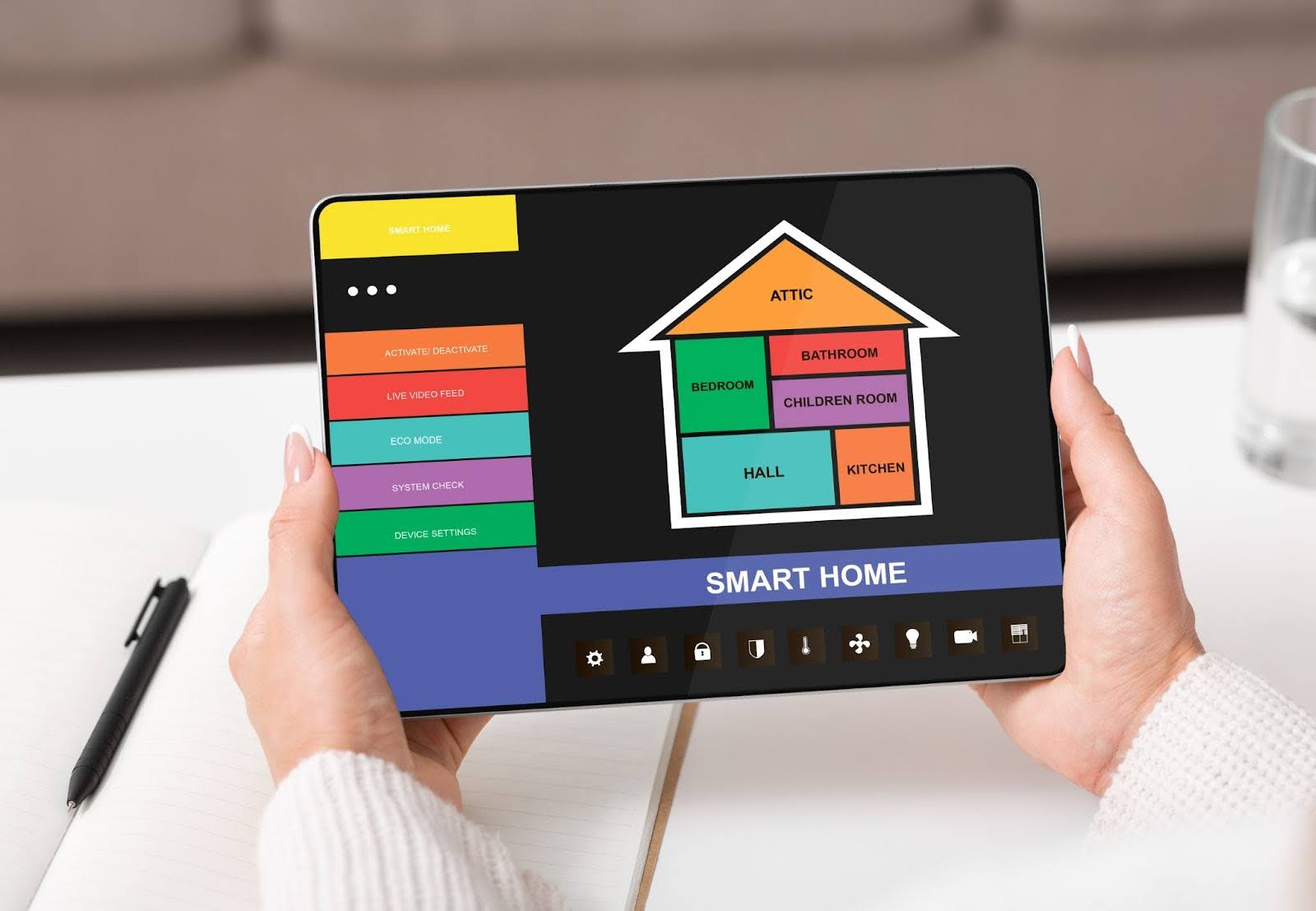
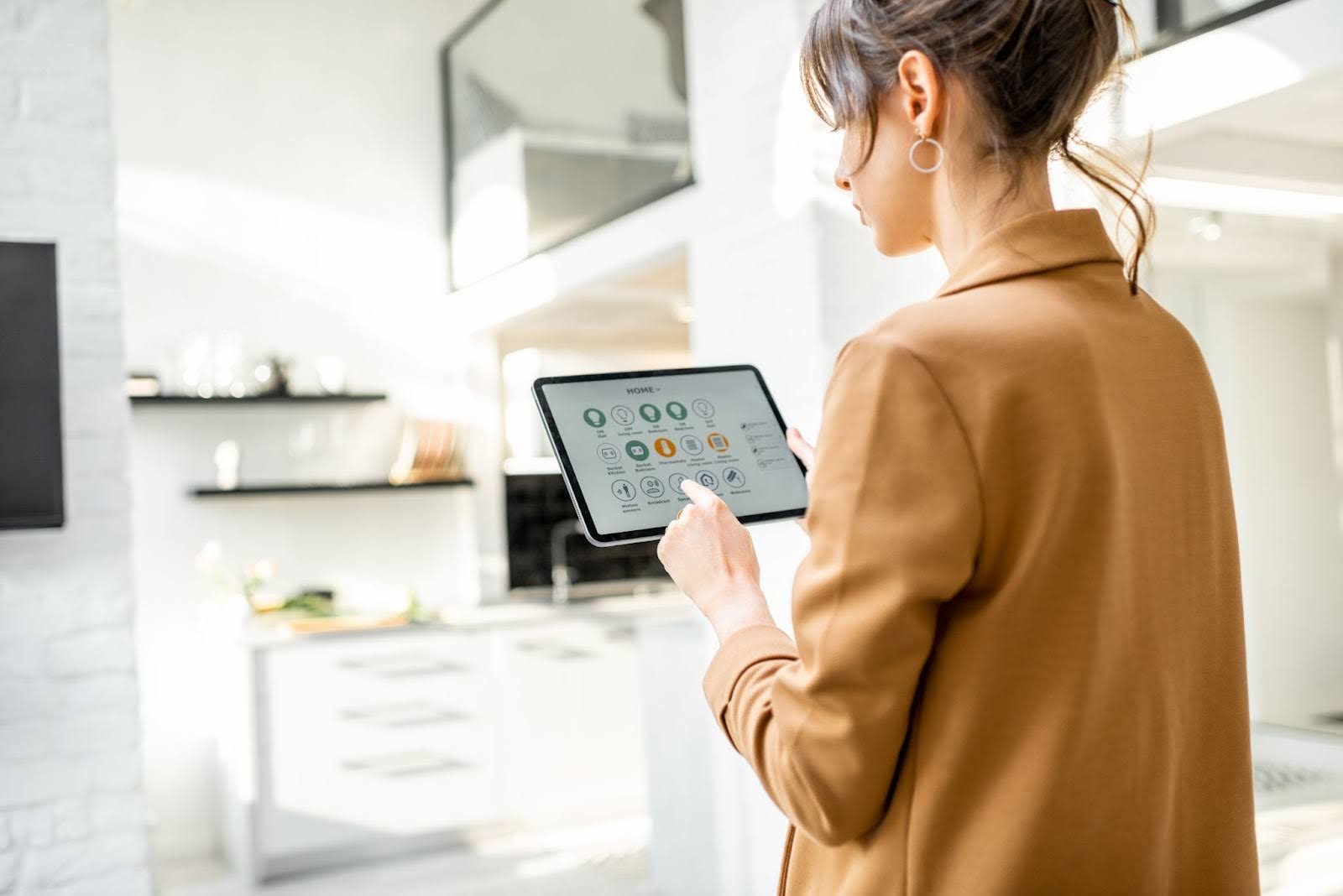
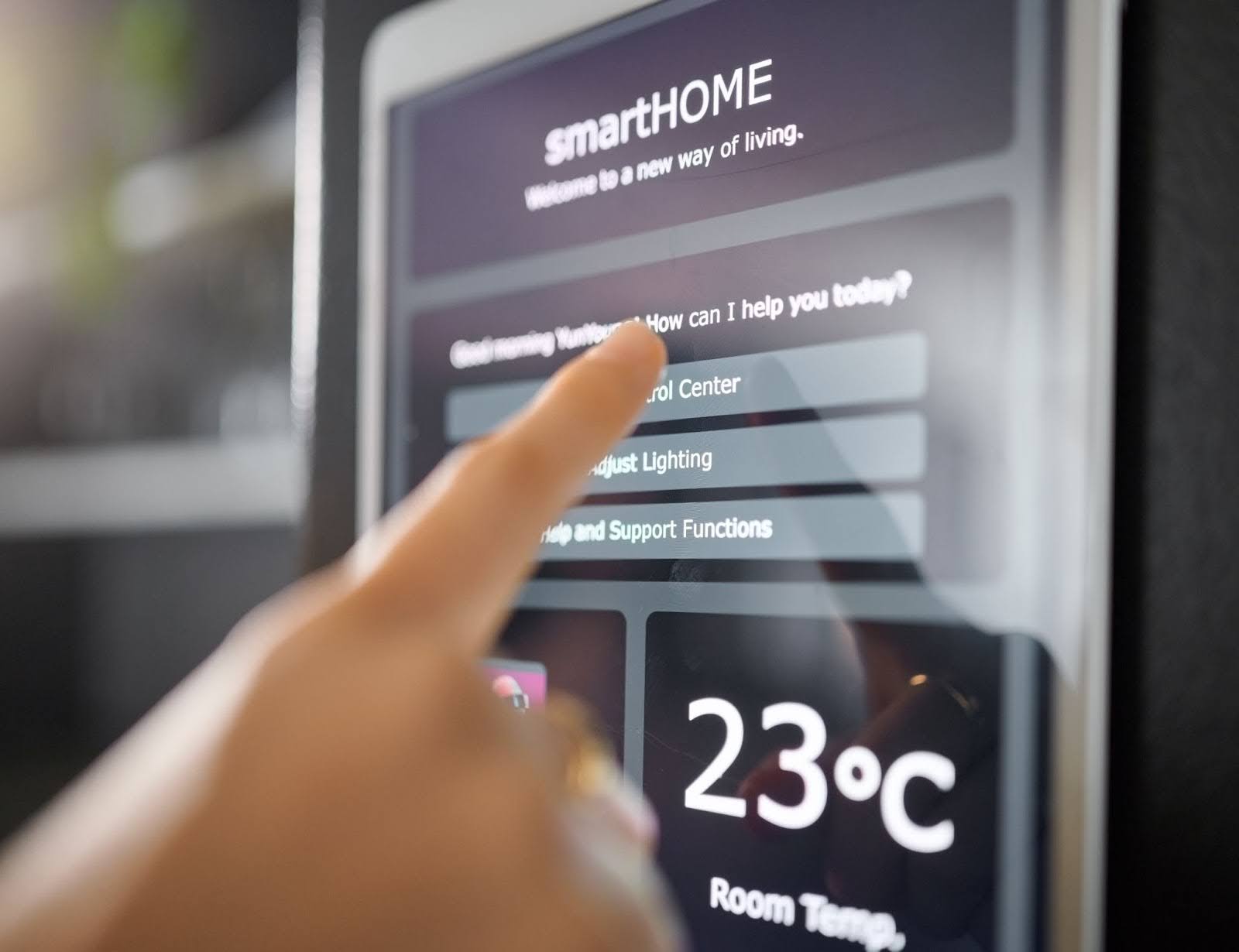
A smart home system has become part of everyday life for many homeowners seeking comfort and control. Connected lighting, climate controls, and security devices promise convenience, yet they often fall short without thoughtful setup. Many households struggle not because technology fails, but because systems grow without structure. These challenges affect reliability, energy use, and daily routines more than expected. With practical adjustments and informed decisions, a smart home system can support modern living rather than complicate it.
The Smart Home System Foundation
A smart home system foundation refers to the devices, network, and controls that support all automation. This foundation determines how reliably devices communicate and respond to commands. Weak foundations cause delays, dropped connections, and inconsistent automations. Homeowners benefit most when they stabilize this structure before expanding features.
Smart Devices Compatibility Across Platforms
Smart device compatibility describes how well products communicate within the same ecosystem. This compatibility matters because mismatched devices often fail to sync reliably. Standards such as Zigbee, Z-Wave, and Matter improve interoperability across brands. Many homeowners overlook protocol support when purchasing devices. This oversight creates delays and unreliable routines in the future. Choosing compatible devices reduces troubleshooting and improves daily performance.
Smart Home Hubs and Centralized Control
A smart home hub acts as the command center for connected devices. This hub reduces reliance on multiple apps and scattered controls. Centralized control simplifies automation logic across rooms. Many hubs process actions locally rather than relying solely on cloud servers. This local processing improves speed and reliability. Homeowners experience fewer disruptions during internet outages.
Home Network Coverage for Smart Homes
Home network coverage supports every smart home system function—weak Wi-Fi signals cause automation failures and device dropouts. Mesh Wi-Fi systems distribute signals evenly across large homes. Router placement affects signal strength more than many realize. This network planning reduces lag and missed commands. Strong coverage creates consistent system behavior.
Smart Home Automation for Daily Routines
Smart home automation refers to devices responding automatically to conditions or schedules. Effective automation aligns technology with real household habits. Poor automation creates confusion and frustration instead of convenience. Homeowners achieve better results when routines align with daily life.
Automation Based on Household Behavior
Behavior-based automation adjusts actions according to real routines. Fixed schedules often fail because daily life rarely stays consistent. Motion sensors and presence detection offer more flexibility. Morning routines may differ on weekends or holidays. This adaptive approach reduces unnecessary device activity. Automation feels more natural when it follows behavior patterns.
Sensors That Reduce Manual Interaction
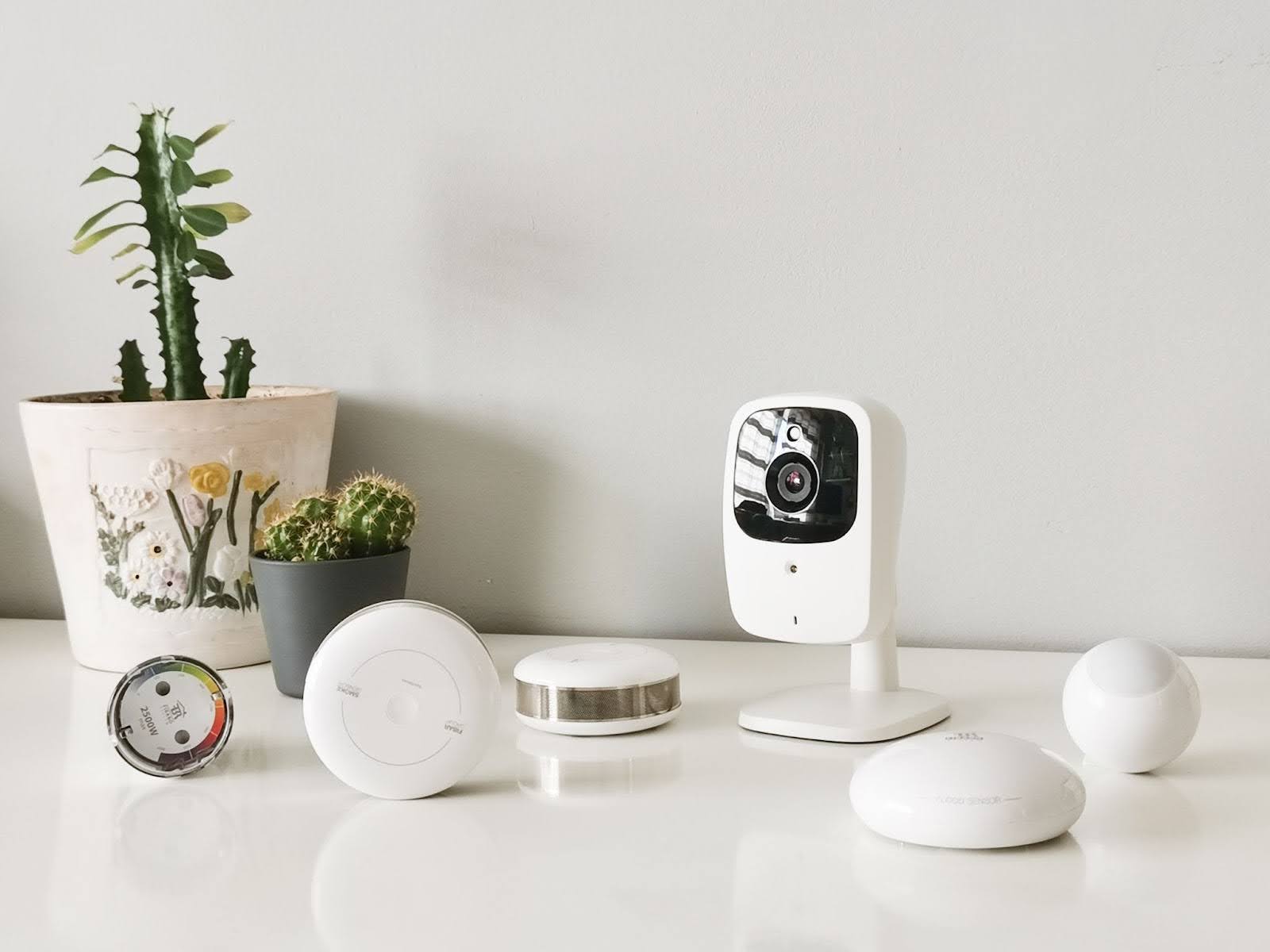
Smart sensors detect movement, temperature, and door activity. These sensors allow devices to respond without manual input. Proper placement prevents false triggers and missed actions. Temperature sensors balance comfort across rooms. This automation reduces constant adjustments. Over time, sensor use feels seamless.
Manual Overrides Within Automation Systems
Manual overrides allow homeowners to adjust settings freely. Voice assistants, switches, and apps provide flexibility. Clear override rules prevent automation conflicts. This balance avoids frustration from rigid routines. Homeowners retain control while enjoying the benefits of automation. A flexible system adapts better to changing needs.

Smart Home System Latency and Response Timing
Smart home system latency is the delay between issuing a command and receiving a device response. This delay shapes how reliable and intuitive the system feels during daily use. Even short pauses can reduce trust in automation and voice control. Understanding latency helps homeowners fix issues that hardware upgrades alone cannot solve.
What Causes Delays in Smart Home Responses
Response delays occur when commands travel through multiple systems before reaching a device. Cloud-based processing incurs latency because data must leave the home network. Internet congestion also increases delays during peak usage hours. Device firmware inefficiencies further slow responses. This technical chain explains why devices sometimes hesitate. Faster responses often require fewer external dependencies.
Local Processing Versus Cloud-Based Automation
Local processing means actions occur inside the home network. This approach reduces reliance on external servers. Commands execute faster because data travels shorter distances. Cloud automation offers convenience but introduces delays. Hybrid systems balance speed and remote access. Homeowners often prefer local control for critical actions.
How Latency Affects Daily Smart Home Use
Latency affects lighting, locks, and climate control most noticeably. Delayed lighting feels unresponsive during movement. Lock delays create safety concerns. Voice assistants lose credibility when responses lag. This frustration causes users to abandon automation features. Faster systems encourage consistent use.
Smart Home Security and Privacy Basics
Smart home security covers digital protection and physical safety. Connected devices manage sensitive data and home access points. Poor settings expose systems to unwanted interference. Homeowners build trust by intentionally managing security.
User Access Levels in Smart Homes
User access levels determine who can control specific devices. Not every household member needs full system control. Guest permissions limit exposure without reducing convenience. Temporary access supports visitors or service professionals. This structure prevents accidental changes. Organized permissions simplify system management.
Data Protection for Connected Home Devices
Connected devices are vulnerable to digital threats because they are always online. Regular firmware updates address vulnerabilities. Strong passwords reduce unauthorized access risks. Two-factor authentication adds extra protection. This security approach limits data exposure. Homeowners gain peace of mind through proactive protection.
Local Control Versus Cloud Dependency
Local control allows devices to function without internet access. Cloud services offer convenience but increase dependency risks. Hybrid systems combine local processing with remote access. This balance improves reliability and privacy. Homeowners maintain control over data flow. Systems continue operating during outages.
Energy Efficiency Through Smart Home Controls
Smart home energy control focuses on reducing waste while maintaining comfort. Connected systems reveal usage patterns homeowners often miss. Small adjustments guided by data create noticeable savings. Efficiency improves when automation matches real needs.
Smart Thermostats and Climate Automation
Smart thermostats adjust temperatures based on presence and schedules. These devices reduce waste from heating and cooling. Zoning features balance comfort across rooms. Weather integration improves responsiveness. This automation improves consistency and comfort—energy use declines without sacrificing convenience.

Smart Lighting for Energy Management
Smart lighting responds to occupancy and daylight levels. Dimming features reduce power use naturally. Scene settings prevent lights from running unnecessarily. Room-specific automation improves efficiency. This lighting control reduces manual effort. Long-term savings accumulate gradually.
Energy Monitoring and Usage Insights
Energy monitoring tools track device-level consumption. Real-time data highlights inefficient appliances. Historical reports reveal long-term trends. This insight supports informed decisions. Some systems recommend improvements automatically. Data-driven habits reduce monthly costs.
Maintaining a Reliable Smart Home System
Smart home system maintenance keeps devices responsive and secure. Neglected updates cause performance issues. Regular attention extends device lifespan. Homeowners benefit from consistent upkeep.
Managing Firmware Updates Safely
Firmware updates improve performance and security. Automatic updates suit nonessential devices. Manual updates are better suited to critical systems. Scheduling updates during low-use hours prevents disruptions. This planning reduces unexpected failures. Testing confirms proper operation.
Troubleshooting Common Smart Home Issues
Connectivity issues often stem from network changes. Restarting devices resolves many problems. Power source checks prevent overlooked failures. Automation errors usually stem from changes in conditions. This troubleshooting saves time. Simple diagnostics reduce frustration.
Replacing Aging Smart Home Devices
Smart devices lose support over time. Older models may stop receiving updates. Performance declines gradually. Replacement restores compatibility and reliability. Planned upgrades avoid sudden failures. A refreshed system stays secure.
Smart Home Upgrades With Practical Impact
Smart home upgrades should solve real household problems. Strategic improvements enhance comfort and reliability. Thoughtful choices prevent unnecessary spending. Homeowners see faster benefits with targeted upgrades.
Comfort-Focused Smart Home Enhancements
Comfort-focused upgrades improve daily living. Smart shades regulate light and temperature. Advanced climate controls balance rooms effectively. Noise reduction features support rest. These upgrades affect well-being directly. Comfort improvements feel immediate.
Improving Voice Control Accuracy
Voice control is the primary interface. Microphone placement affects recognition accuracy. Reducing background noise improves response. Custom commands simplify common actions. Consistent naming prevents confusion. Better voice control improves usability.
Preparing Smart Homes for Expansion
System scalability supports long-term satisfaction. Open standards prevent vendor lock-in. Extra network capacity supports growth. Flexible hubs adapt to new technology. This preparation reduces future rework. Homeowners expand systems smoothly.
Human-Centered Smart Home System Design
Human-centered smart home design focuses on how people think, move, and make decisions. This approach reduces confusion and improves long-term adoption. Many systems fail because they overwhelm users with complexity. Designing for clarity improves satisfaction more than adding features.
Reducing Cognitive Load in Smart Home Systems
Cognitive load refers to the mental effort required to use a system. Too many apps and commands increase fatigue. Simplified controls reduce daily friction. Clear automation logic prevents second-guessing. This clarity builds confidence over time. Homeowners use systems more consistently.
Naming Conventions and Automation Clarity
Clear naming helps users remember commands easily. Inconsistent names create confusion across devices. Logical room-based labels improve navigation. Automation names should describe actions clearly. This structure supports voice and app control. Consistency reduces learning time.
Designing Smart Homes for All Household Members
Households differ in their comfort levels with technology. Children, guests, and older adults need intuitive controls. Simple interfaces reduce training needs. Physical switches still matter for accessibility. This inclusive design improves usability. Everyone benefits from straightforward interaction.
Refine Your Smart Home System Experience
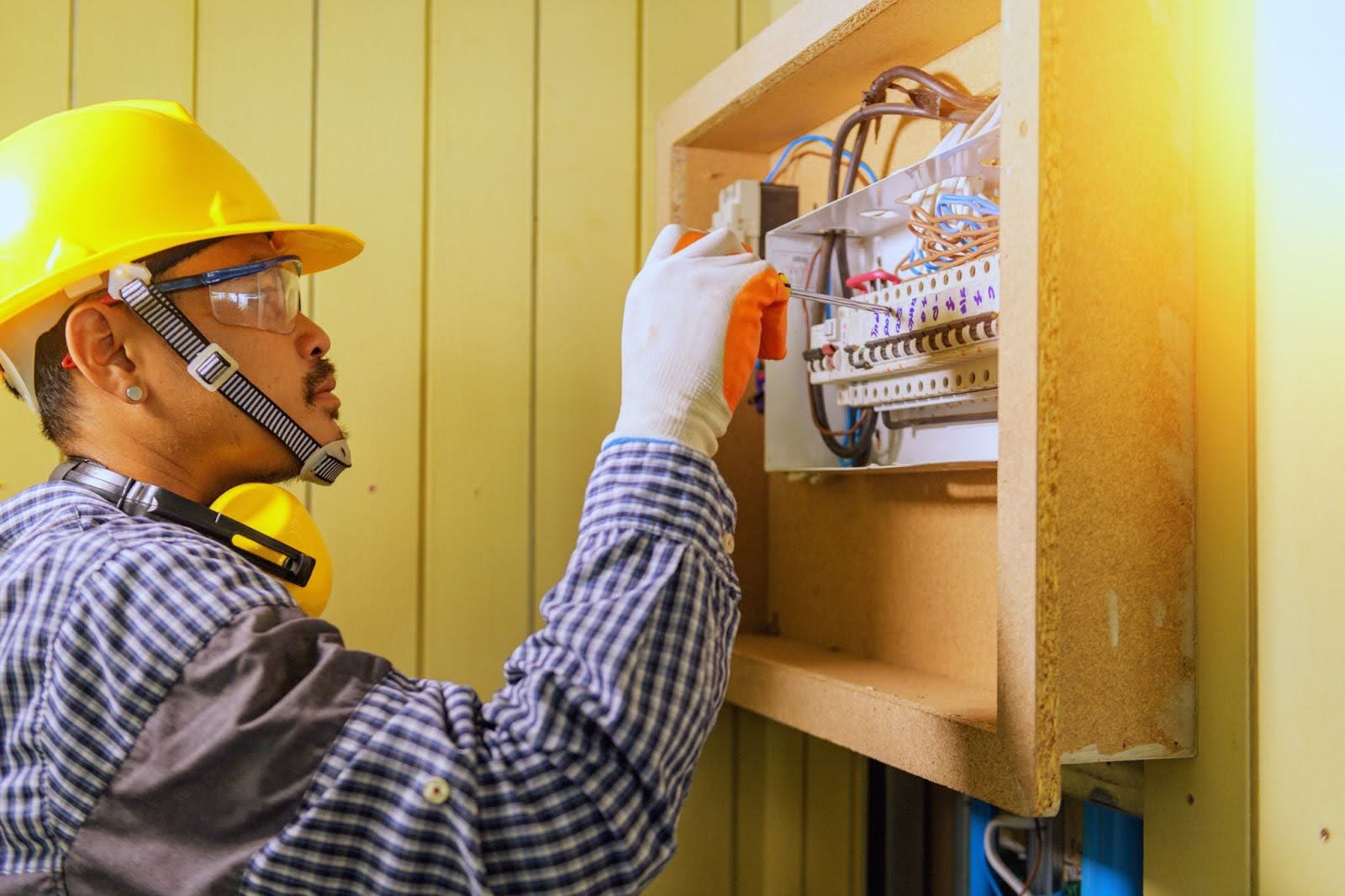
A smart home system performs best when its digital intelligence is integrated with professional electrical services. Many performance issues stem from wiring limitations, overloaded circuits, or outdated panels rather than the devices themselves. Licensed electricians understand how power distribution, grounding, and load balancing affect connected technology. Partnering with qualified electrical services helps homeowners improve reliability, safety, and long-term system performance without unnecessary device replacements.
For deeper insights on smart home performance and electrical planning, visit Orozco’s Electric Inc. blog and continue learning.