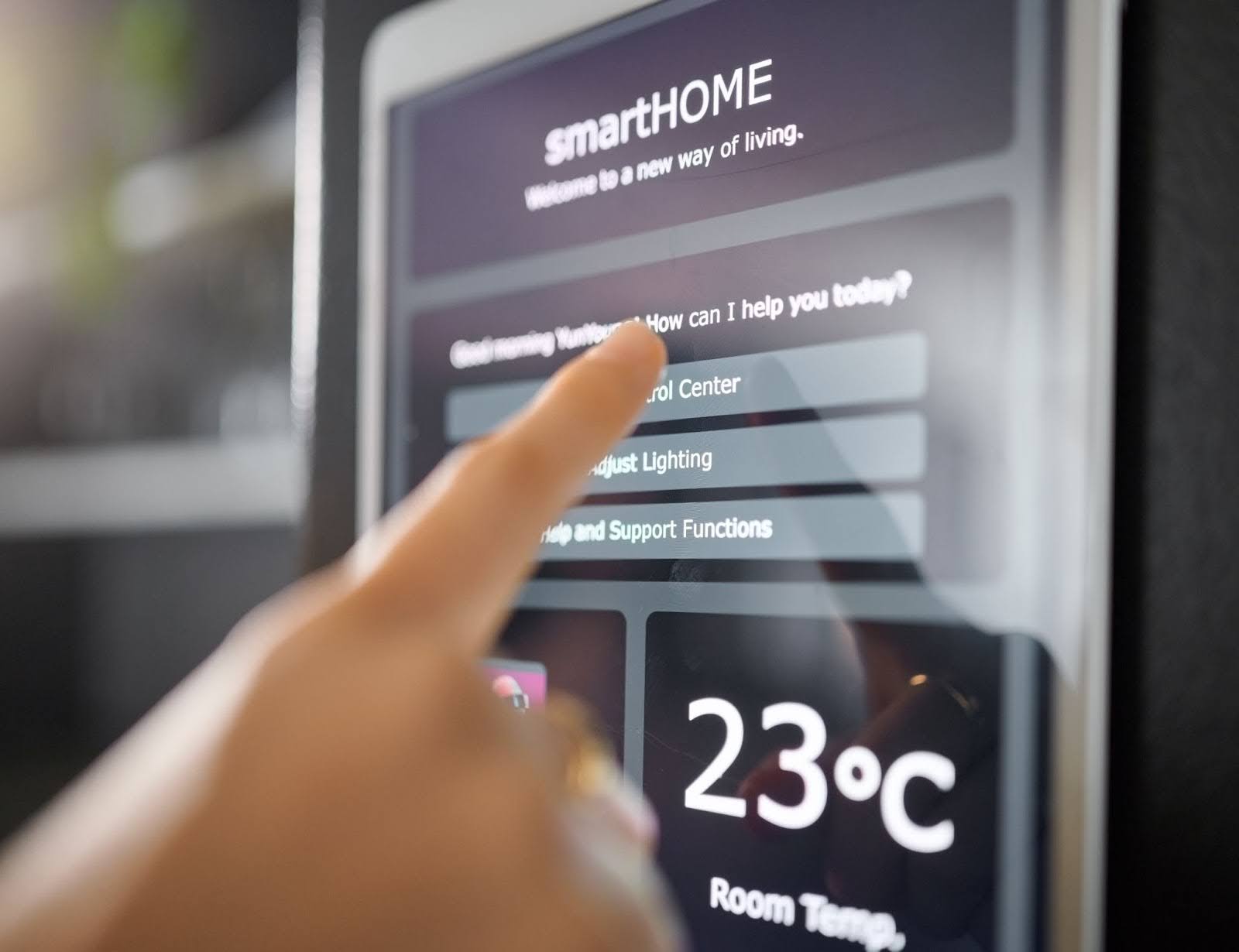
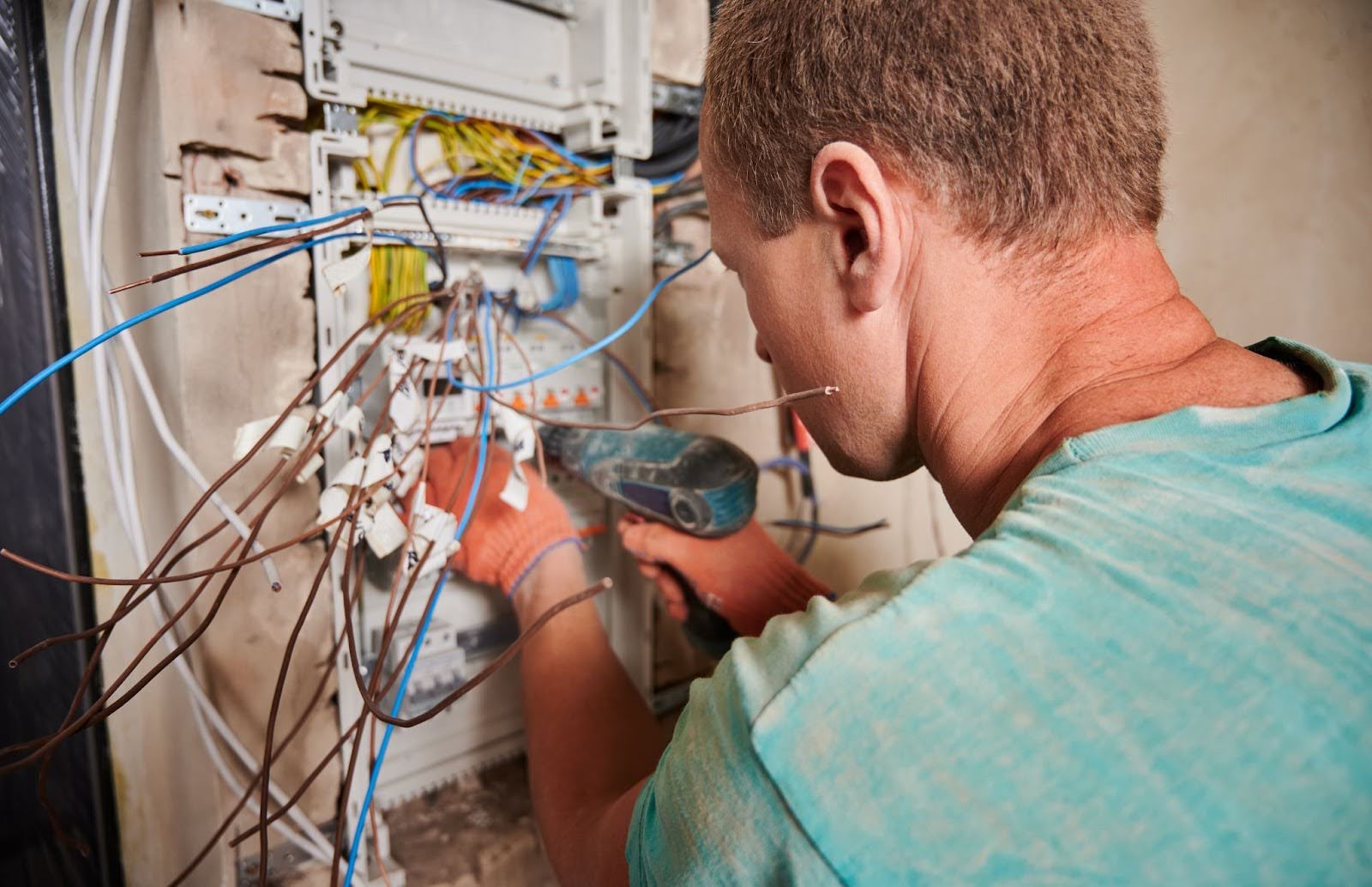
Most homeowners rarely think about their electrical system until something stops working, even though it powers nearly every daily activity. Behind walls and breaker panels, minor issues like loose connections or aging wiring can grow into serious safety risks without clear warning signs. Residential electric services focus on identifying and correcting those risks before they affect comfort or safety. Professional electricians bring structure, oversight, and accountability to systems that often operate unnoticed. Residential electric services help homeowners maintain safer living environments through proactive care rather than reactive fixes.
Residential Electric Services for Safer Homes
Residential electric services involve professional electrical work explicitly tailored to residential environments and safety needs. These services address how power enters the home, how it moves through circuits, and how it supports modern appliances and devices. By adhering to current electrical standards, electricians reduce the risk of fires, shocks, and unexpected outages. This comprehensive approach allows homeowners to rely on systems designed to handle daily electrical demands responsibly.
Scope of Residential Electric Services Explained
Residential electric services cover the full lifecycle of a home’s electrical system, from initial installation to ongoing upgrades. Electricians handle wiring, outlets, lighting, panels, grounding, and safety devices with attention to load capacity and code compliance. Inspections are included to verify that each component operates as intended under real conditions. These services also adapt older homes to current electrical usage without straining the existing infrastructure. Homeowners benefit from systems built for reliability rather than temporary fixes. This broad service scope supports safety throughout every room of the home.
Why Professional Electrical Standards Matter
Professional electrical standards guide the safe installation and maintenance of residential systems. These standards come from national and local codes shaped by years of safety data and incident analysis. Licensed electricians apply these rules consistently to avoid common hazards, such as overheated wires or improper grounding. Compliance improves system stability while reducing long-term liability concerns. Homeowners gain protection that untrained work cannot offer. This structured process builds trust in the system’s performance.
How Residential Electric Services Protect Home Safety
Home electrical systems handle constant demand while remaining largely out of sight, making safety risks easy to overlook. Minor faults often develop quietly and spread through wiring, outlets, and panels before clear warning signs appear. Residential electric services address these vulnerabilities by applying structured oversight and professional judgment. Understanding how these services protect a home helps explain why each safety improvement matters.
Identify Hidden Risks Through System Inspections
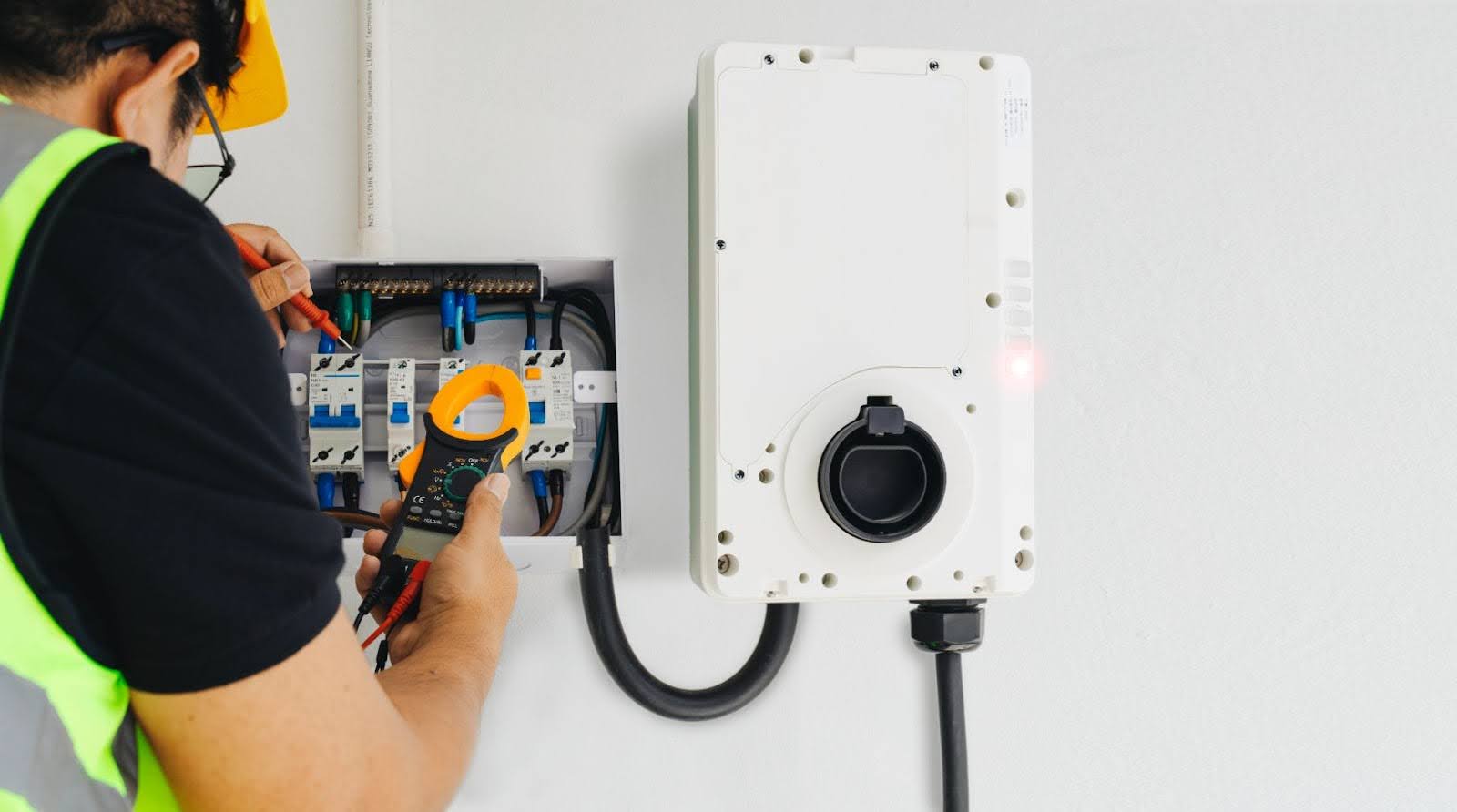
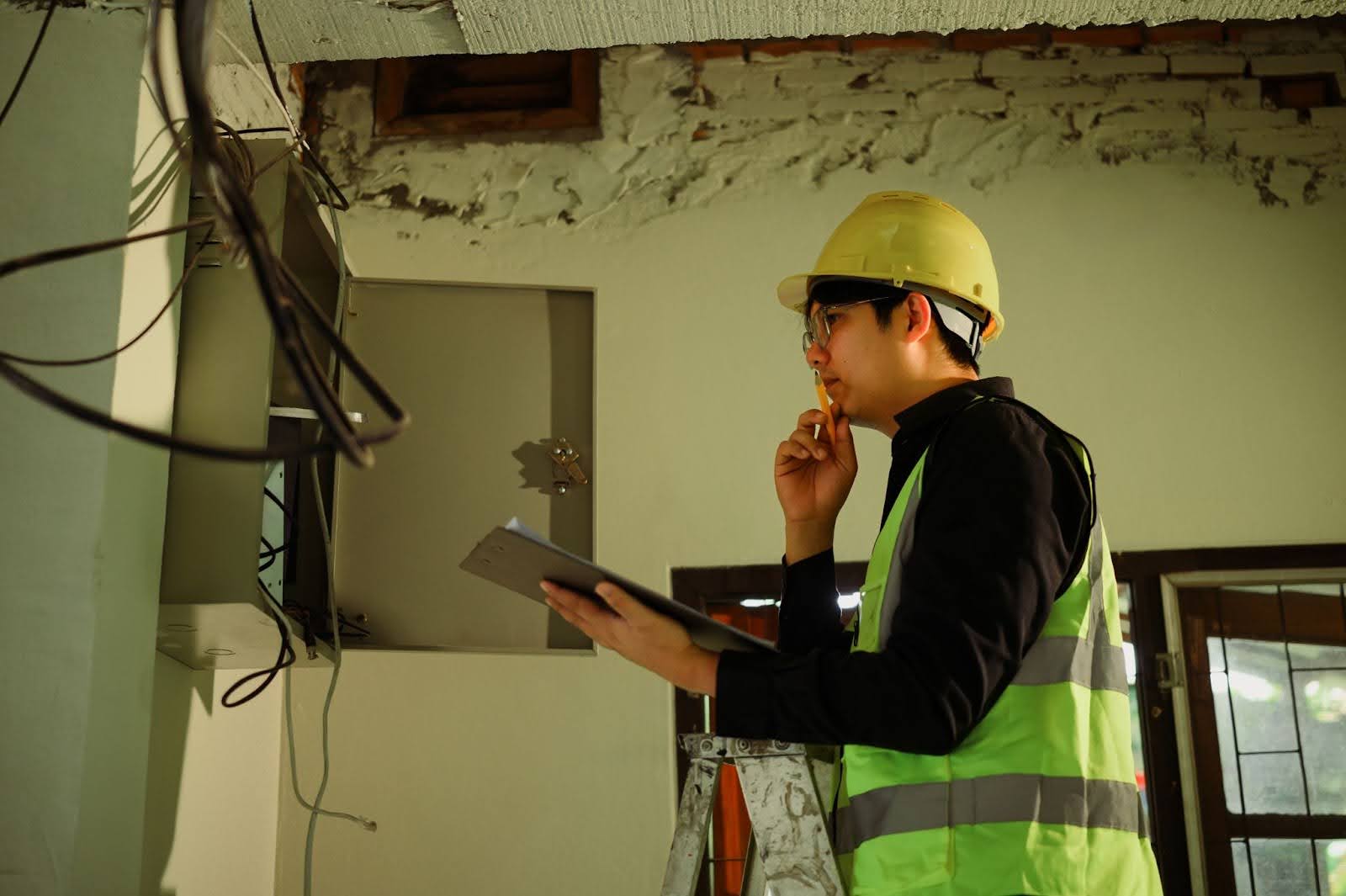
System inspections uncover safety risks that remain invisible during everyday use. These inspections focus on wiring condition, connection stability, and load distribution. Electricians rely on testing tools to locate weaknesses before damage occurs. This preventive approach reduces the likelihood of sudden failures.
Detect Wiring and Connection Problems Early
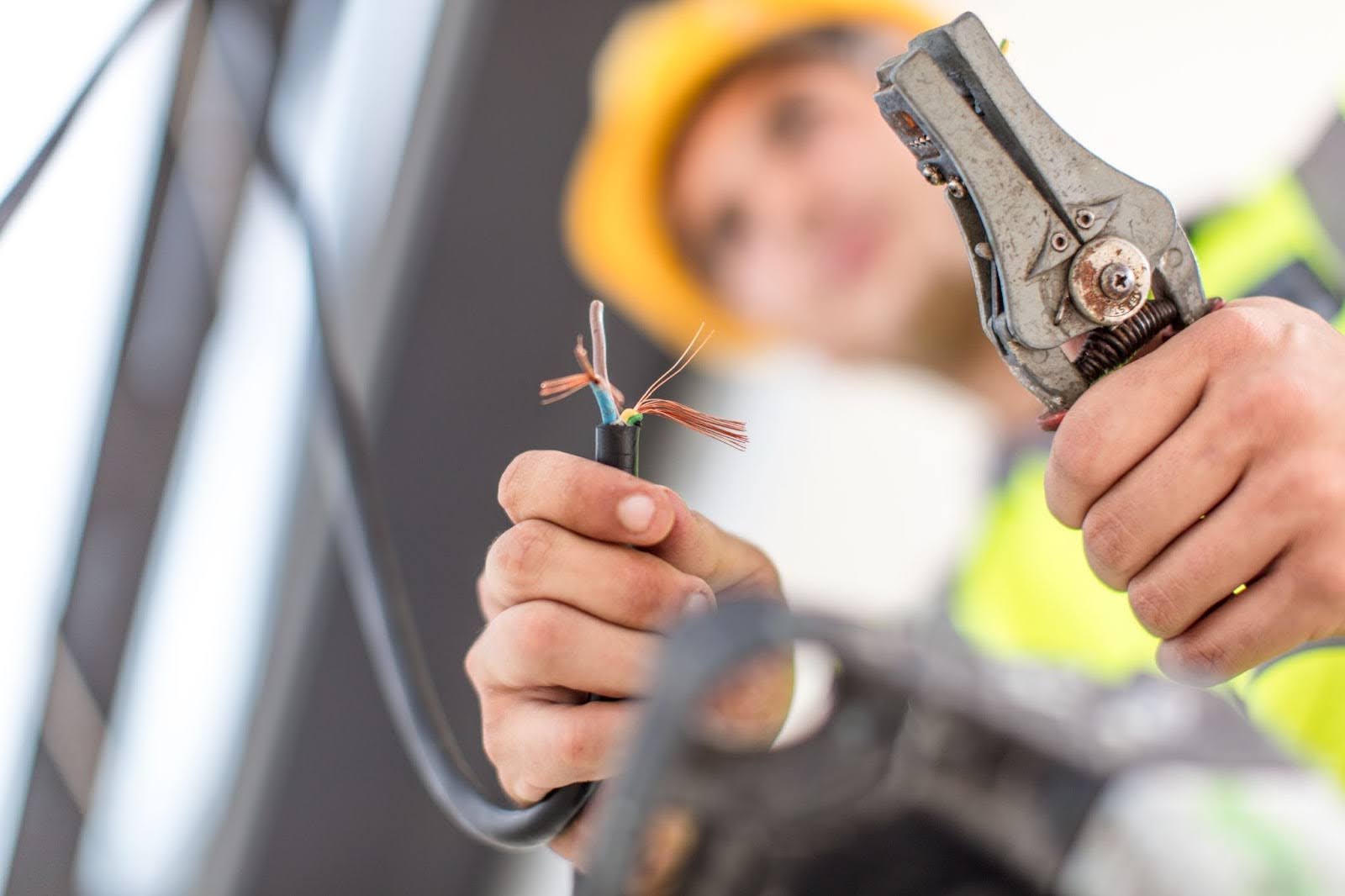
Wiring problems often develop gradually behind walls and panels. Inspections reveal worn insulation, loose terminals, and improper splices. Electricians measure voltage levels and look for heat buildup in critical areas. These findings explain issues like flickering lights or tripped breakers. Clear explanations help homeowners understand the severity of each concern. This transparency supports informed repair decisions.
Evaluate Circuit Loads for Safer Distribution
Circuit load evaluations determine how electricity flows throughout a home. As power demand increases, older systems may struggle to evenly distribute energy. Electricians calculate usage based on appliances and daily habits. Imbalanced circuits place unnecessary stress on wiring and breakers. Adjustments restore system stability. This balance reduces overheating and outage risks.
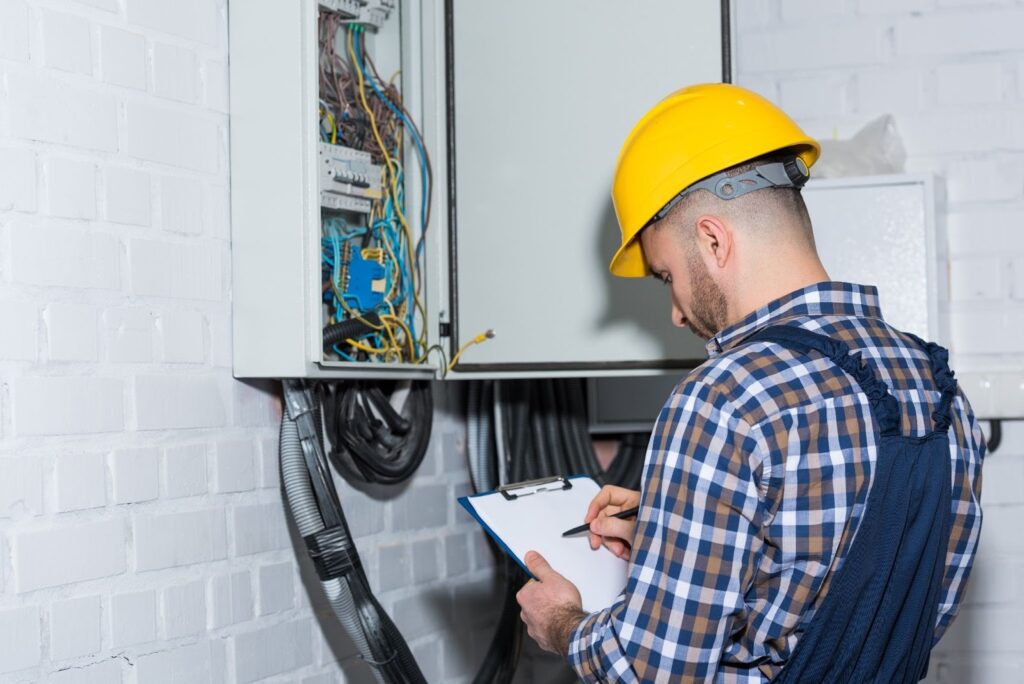
Strengthen Power Control With Panel Upgrades
Power control begins at the electrical panel, which manages distribution across the home. Older panels were not designed for today’s electrical demands. Panel upgrades improve fault response and system reliability. This improvement supports safer operation.
Reduce Hazards Linked to Outdated Panels
Outdated panels often lack modern protective features. Some designs fail to shut off power during overloads or short circuits. This failure increases the risk of fires and equipment damage. Electricians inspect panels for heat damage and compatibility concerns. Replacement recommendations follow current safety benchmarks. Updated panels restore dependable control.
Improve Protection With Modern Breaker Systems
Modern breaker systems respond quickly to abnormal electrical behavior. These breakers interrupt power during overloads, short circuits, or arc faults. Electricians select breakers based on circuit purpose and capacity. Proper sizing prevents nuisance tripping while protecting wiring. Appliances operate more safely with a stable breaker response. This protection strengthens everyday reliability.
Improve Safety With Proper Wiring and Grounding
Wiring and grounding guide electricity safely through a home’s structure. These systems protect occupants from shock and equipment from damage. Electricians inspect these pathways to maintain integrity. This attention reduces the potential for accidents throughout the property.
Address Aging Materials That Increase Risk
Older wiring materials degrade over time and with heat exposure. Insulation may crack and expose conductors. Electricians identify materials that no longer meet safety standards. Replacement improves conductivity and reduces resistance. Updated wiring supports consistent power flow. This improvement lowers fire risk.
Stabilize Systems Through Effective Grounding
Grounding provides a safe path for excess electricity during faults. Electricians test grounding continuity during inspections. Proper grounding stabilizes voltage levels and protects metal surfaces. Appliances function more safely with grounding support. This system reduces shock exposure. Grounding strengthens overall stability.
Reduce Fire and Shock Risks Using Safety Devices
Safety devices interrupt power when dangerous conditions arise. Residential electric services install and maintain these protections. GFCI and AFCI devices address different hazard patterns. Their combined use lowers injury and fire risks.
Control Moisture-Related Hazards With GFCI Outlets
GFCI outlets monitor electrical balance continuously. These devices shut off power when an imbalance suggests a shock risk. Electricians install GFCIs in kitchens, bathrooms, garages, and outdoor areas. Regular testing verifies responsiveness. Replacement occurs when performance declines. This protection limits moisture-related incidents.
Limit Fire Exposure Through AFCI Protection
AFCI breakers detect abnormal electrical arcs that generate heat. These arcs can ignite surrounding materials. Electricians install AFCIs in living and sleeping areas. Breakers interrupt power before ignition occurs. Residential fire data support their effectiveness. This technology adds a protective layer.

Install Lighting That Supports Safe Living Spaces
Lighting influences visibility and system performance. Improper installation causes heat buildup and strain on wiring. Electricians plan lighting with safety in mind. This approach supports dependable operation.
Apply Safer Practices for Indoor Fixtures
Indoor lighting must be compatible with wiring and insulation. Electricians verify wattage limits and secure mounting. Proper spacing reduces heat accumulation. Strong connections prevent wire damage. These steps protect ceilings and fixtures. Safe lighting supports daily comfort.
Protect Outdoor Systems From Weather Exposure
Outdoor lighting is exposed to moisture and temperature changes. Electricians use weather-rated fixtures and wiring. Ground fault protection improves safety in wet conditions. Proper installation reduces trip hazards. Reliable lighting supports security. This setup withstands environmental stress.
Manage Voltage Spikes With Surge Protection
Voltage spikes place stress on wiring and electronics. Surge protection stabilizes power flow. Electricians install protection as part of system planning. This control preserves long-term integrity.
Recognize Common Causes of Power Surges
Surges originate from storms, utility switching, and appliance cycling. These spikes weaken insulation over time. Electricians assess exposure during inspections. Understanding sources guides protection strategies. This insight informs equipment selection. Homes receive appropriate safeguards.
Safeguard Systems Using Whole-Home Protection
Whole-home surge protectors are installed at electrical panels. These devices divert excess voltage safely away from circuits—electricians size protectors based on system capacity. Appliances and wiring receive shared protection. Layered defense reduces cumulative damage. This safeguard supports longevity.
Maintain Systems and Respond to Urgent Issues
Electrical systems change as homes age. Maintenance keeps safety standards consistent. Residential electric services provide routine evaluations and emergency response. This support limits disruption.
Preserve Safety Through Preventive Care
Preventive care includes inspections, testing, and adjustments. Electricians schedule evaluations based on system condition. Minor corrections prevent larger failures. Clean connections improve efficiency. Consistent care supports reliability. Maintenance reduces unexpected issues.
Control Damage With Emergency Response Services
Electrical emergencies require skilled attention. Burning odors, sparks, or outages signal immediate risk. Electricians provide rapid response services. Quick action limits structural damage. Systems regain stability safely. This response protects occupants.
Build Safer Homes Through Professional Electrical Care
Professional electrical care brings structure and accountability to residential systems. Skilled electricians assess, plan, and maintain home electrical infrastructure, prioritizing safety. This level of care reduces uncertainty around system performance. Homeowners benefit from dependable operation and long-term protection.
Choose Qualified Residential Electric Providers
Qualified electricians hold proper licensing and residential experience. Clear communication helps homeowners understand system conditions and service options. Transparent pricing supports informed planning. Reliable providers offer ongoing support beyond initial service. Professional standards guide every task. This consistency improves safety outcomes.
Build Confidence Through Reliable Systems
Reliable electrical systems reduce daily stress and uncertainty. Electricians design systems for steady performance under regular use. Safety devices operate correctly when installed and maintained properly. Wiring and panels manage demand without strain. Homeowners gain confidence in everyday operation. This reliability supports comfortable living.
Maintain Home Safety Through Residential Electric Services
A safer home starts with systems that work reliably behind the scenes. Residential electric services give homeowners a practical way to reduce risk, improve system stability, and address issues before they disrupt daily life. Professional care replaces guesswork with informed decisions that protect people, property, and long-term value. Choosing qualified electrical support signals readiness to maintain a home that functions safely, consistently, and with confidence.
Visit the Orozco’s Electric Inc. blog for practical insights on electrical services and safer home systems.