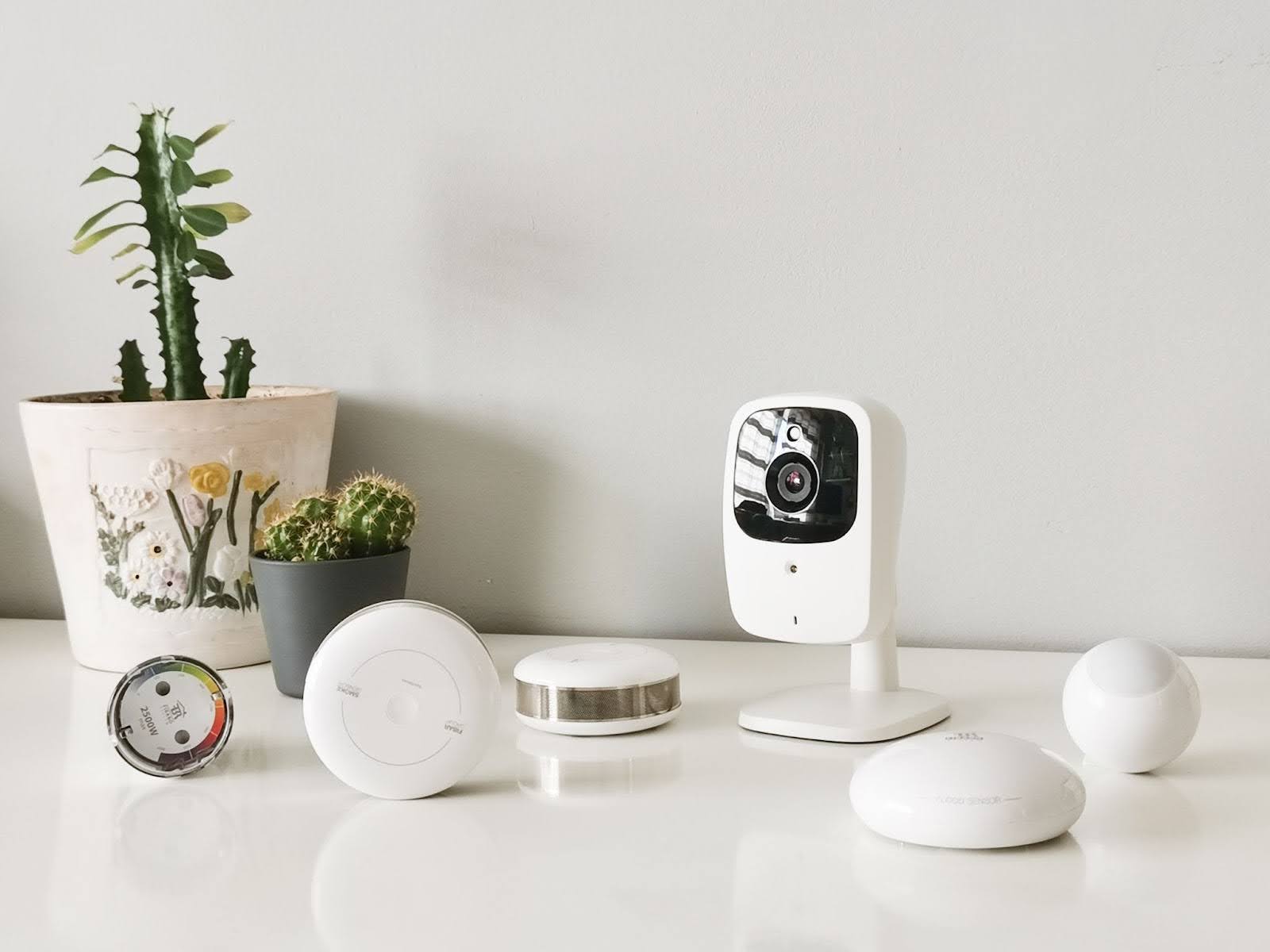
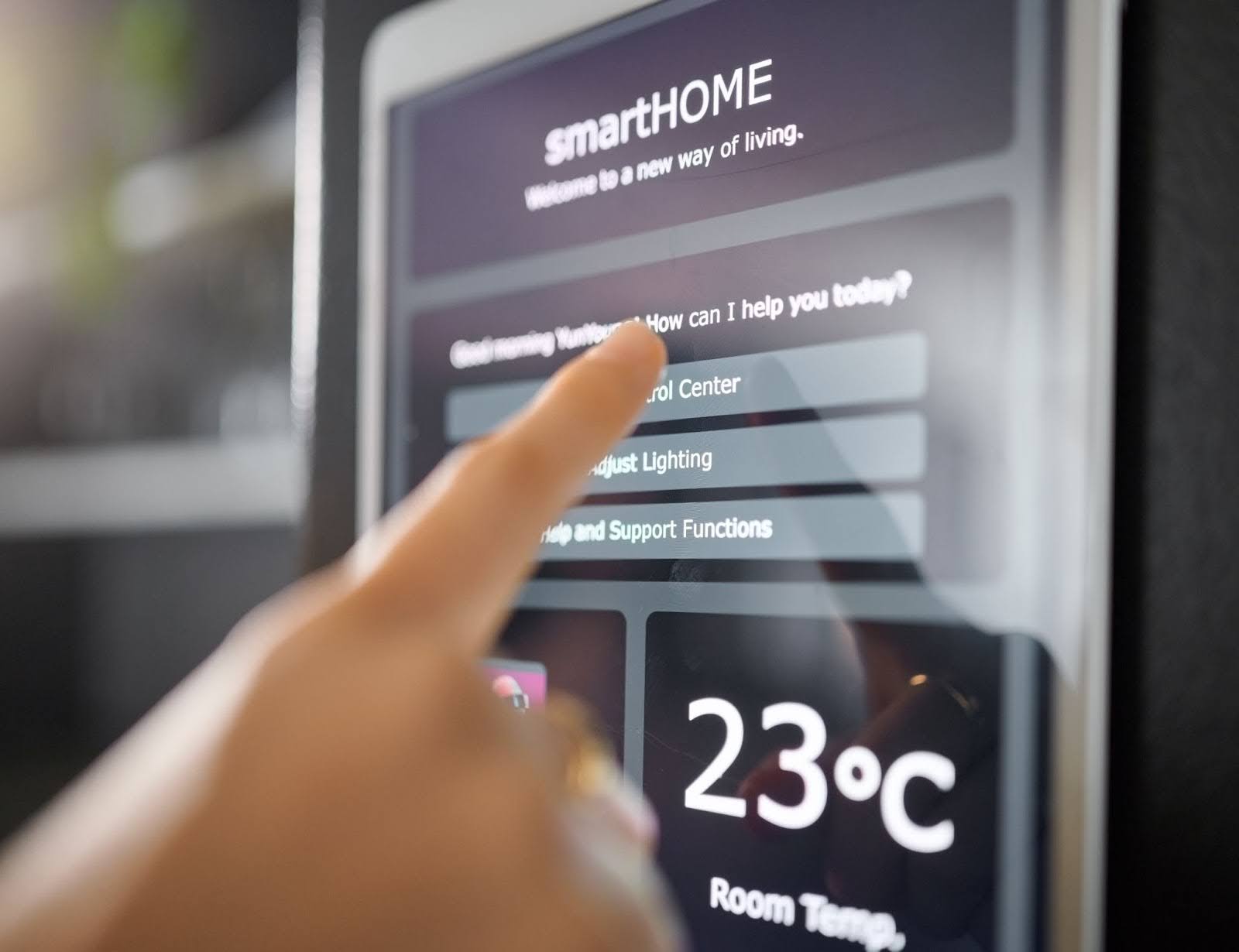
Homes have shifted from static spaces into responsive environments shaped by technology and daily habits. Smart devices help homeowners gain better control over comfort, safety, and energy use. These connected tools quietly manage systems that once required constant attention. Over time, they change how people interact with their living spaces without adding complexity. For homeowners seeking practical upgrades, smart devices represent thoughtful progress rather than unnecessary technology.
Smart Home Devices Defined for Homeowners
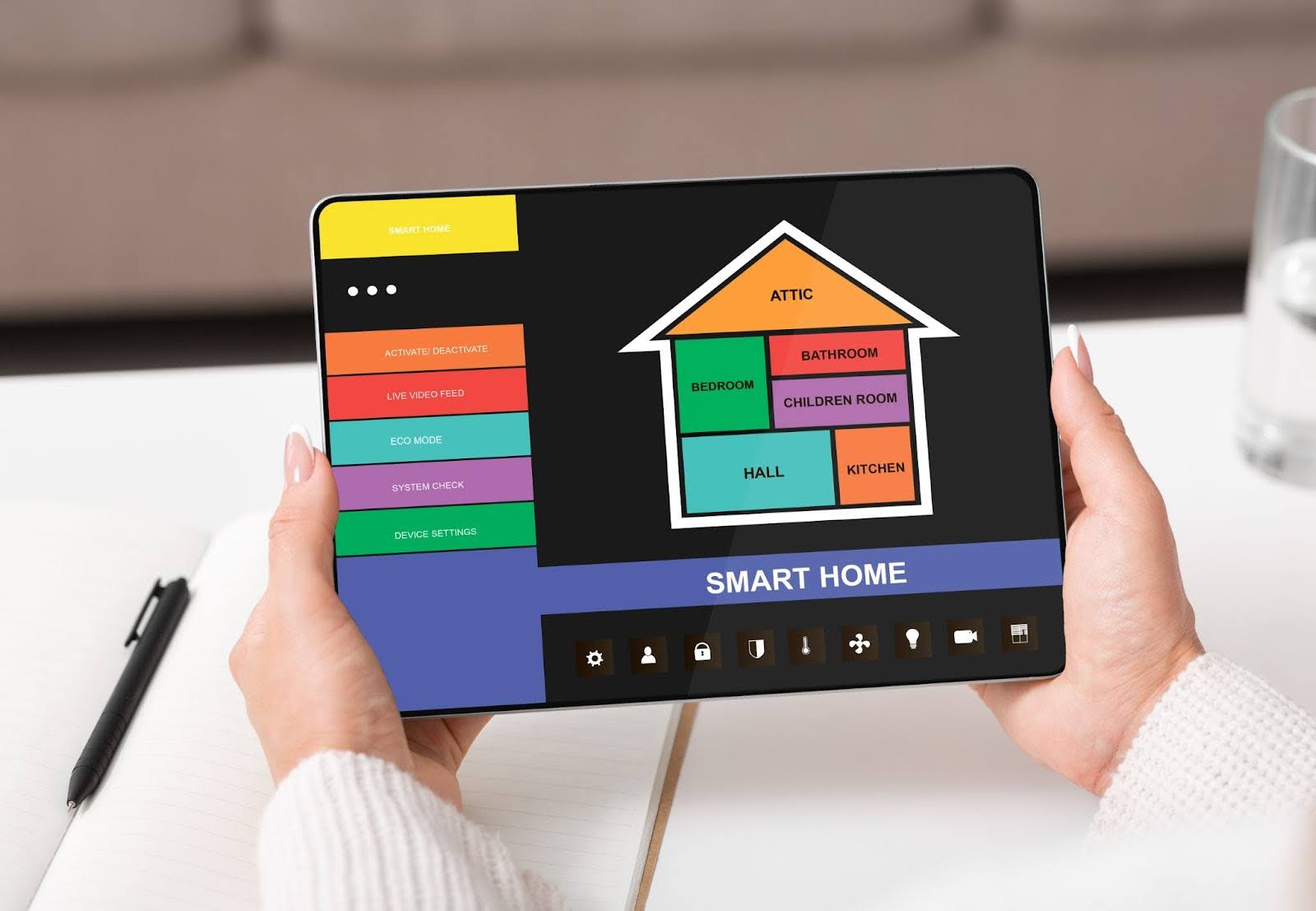
Smart home devices are connected tools that automate and control household systems through digital networks. These systems include lighting, climate control, security, and appliances managed through apps or voice commands. Homeowners benefit from reduced manual effort and improved consistency across daily routines. Over time, connected devices create homes that respond intelligently to real usage patterns.
Connected Technology and Daily Home Operations
Smart home technology links devices through Wi-Fi or local networks to work together seamlessly. This connected structure enables a single action to trigger multiple responses, such as locking doors and adjusting lighting simultaneously. Homeowners experience fewer interruptions because systems anticipate needs instead of waiting for commands. Additionally, centralized control simplifies the management of complex homes. This coordination reduces errors caused by forgotten adjustments. Over time, daily operations feel smoother and more predictable.
How Smart Devices Learn Household Behavior
Smart devices collect usage data to recognize recurring patterns. This learning process allows systems to adjust settings automatically. Temperature, lighting, and security respond without repeated input. Homeowners notice fewer manual corrections over time. The system improves accuracy through consistent use. Learning features support convenience without requiring technical expertise.
Energy Efficiency Powered by Smart Devices
Smart devices manage energy based on real usage rather than fixed schedules. These systems reduce waste by responding to occupancy and environmental conditions. Homeowners experience steadier utility costs without sacrificing comfort. Energy efficiency becomes an ongoing benefit rather than a conscious effort.
Smart Thermostats and Climate Optimization
Smart thermostats regulate heating and cooling using behavioral data. This technology prevents systems from running in unused areas. Homeowners maintain comfort while reducing unnecessary energy use. Seasonal adjustments occur automatically as conditions change. Utility savings accumulate gradually over time. Climate control feels consistent without constant monitoring.
Intelligent Lighting for Efficient Energy Use
Smart lighting systems rely on sensors and schedules for control. Lights turn off automatically when rooms are empty. Brightness adjusts according to available daylight. This approach reduces electricity use without affecting visibility. Bulb lifespan increases due to controlled operation. Lighting efficiency becomes seamless and dependable.
Appliance Energy Monitoring and Consumption Control
Some smart devices track appliance energy consumption in real time. These systems identify inefficiencies before costs escalate. Homeowners receive alerts when usage exceeds normal patterns. Maintenance decisions become more informed. Energy waste declines through better awareness. Long-term efficiency improves without restrictive habits.
Smart Devices and the Evolution of Home Living
Residential living has evolved alongside connected technology. Smart devices influence how spaces respond to routines and preferences. Homes no longer operate on fixed settings alone. This evolution provides context for the practical benefits discussed next.

Stronger Home Protection Through Connected Security
Home protection improves when monitoring and access systems work together rather than operate in isolation. Connected security tools provide visibility and control without requiring constant attention. Homeowners gain awareness of activity as it happens rather than after problems arise. This approach supports informed responses and steadier peace of mind.
Real-Time Visual Monitoring for Greater Awareness
Connected cameras provide live visibility of indoor and outdoor spaces through mobile devices. This real-time access allows homeowners to check activity without being physically present. Motion alerts notify users when unexpected movement occurs, which reduces uncertainty during absences. Recorded footage adds accountability when reviewing events later. Placement flexibility allows coverage to match the property’s layout. Ongoing awareness strengthens confidence in home security decisions.
Keyless Entry and Controlled Access Management
Digital access systems replace traditional keys with permission-based entry controls. Homeowners manage access remotely for family members, guests, or service providers. Entry records show when doors open or close, adding transparency to household activity. Lost keys no longer create security risks or replacement costs. Temporary access becomes easy to grant and revoke. This controlled approach improves both safety and convenience.
Instant Alerts From Integrated Alarm Systems
Connected alarm systems send immediate notifications when sensors detect unusual conditions. These alerts reach homeowners through mobile devices without delay. Faster awareness allows quicker responses to potential issues. Integration with cameras provides visual confirmation when alerts occur. False alarms decrease as detection accuracy improves. This responsiveness supports proactive home protection.
Everyday Convenience Through Home Automation
Automation reduces the mental effort required to manage daily household tasks. Systems handle repetitive tasks that previously required manual attention. Homeowners experience smoother routines with fewer interruptions. Convenience becomes part of the home’s natural operation.
Hands-Free Control With Voice Assistants
Voice-controlled systems enable homeowners to control devices with spoken commands. This interaction supports multitasking during busy moments. Lighting, climate, and entertainment respond immediately to input without physical intervention. Accessibility improves for individuals with limited mobility. Commands feel conversational and intuitive. Over time, voice control becomes part of daily routines.
Remote Home Management From Any Location
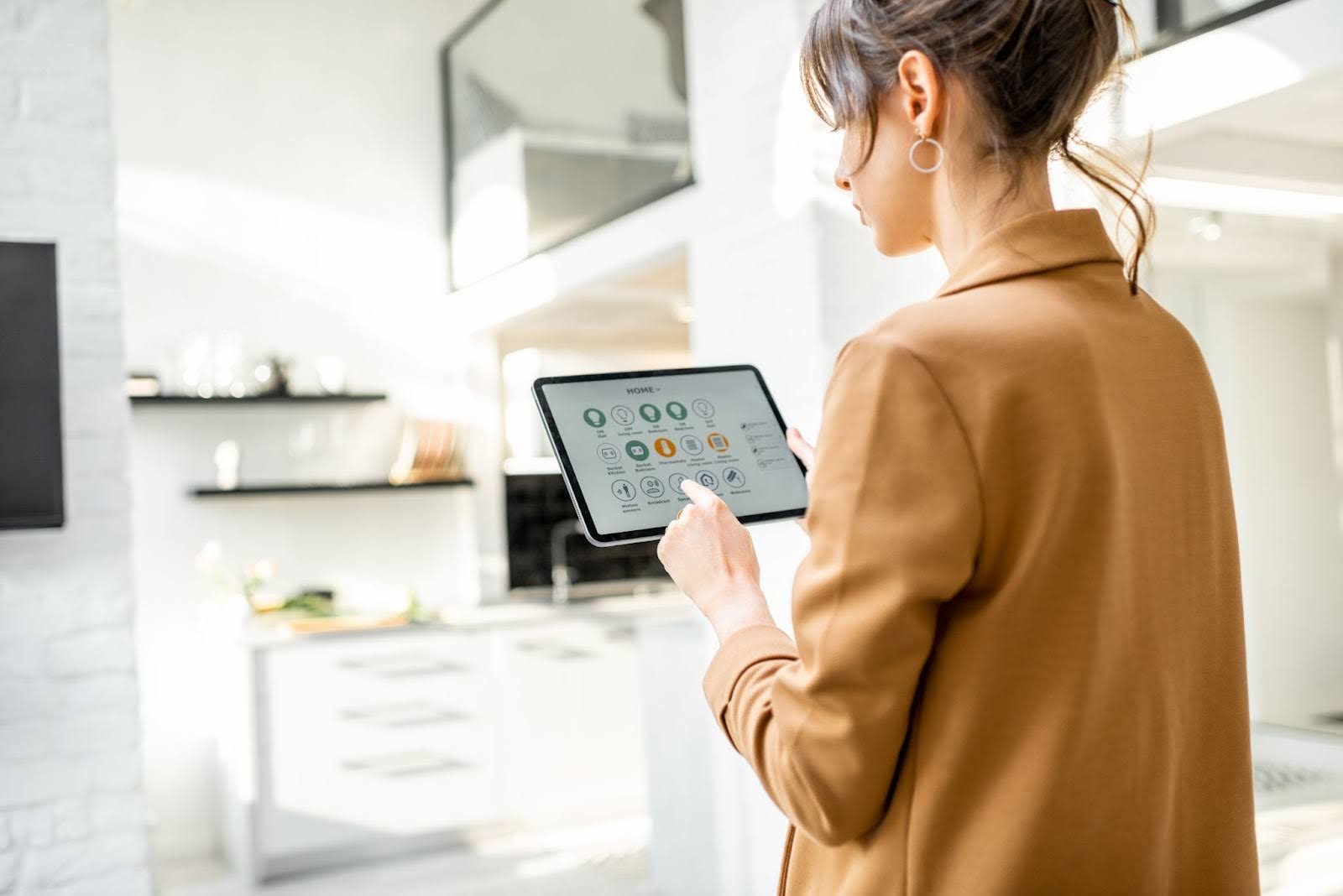
Remote access allows homeowners to manage systems while away from home. Mobile apps provide control over lighting, locks, and climate settings. Forgotten adjustments become easy fixes from anywhere. This capability reduces worry during travel or work hours. Systems remain responsive regardless of distance. Remote management adds reassurance to everyday life.
Automated Routines That Simplify Daily Schedules
Automation schedules actions based on time or household activity. Morning routines automatically adjust lighting and temperature. Evening routines secure doors and reduce energy use. These patterns remove repeated decision-making. Daily flow improves with fewer manual steps. Automation supports consistency without added effort.
Personalized Comfort Through Adaptive Home Systems
Comfort improves when home environments reflect individual preferences. Adaptive systems respond to user habits rather than static settings. Adjustments happen without repeated input. Homes feel more responsive and balanced.
Individual Preference Profiles for Shared Homes
Connected systems support separate profiles for different household members. Each profile stores preferred temperature and lighting settings. Presence detection automatically activates the correct profile. Shared spaces experience fewer comfort conflicts. Everyone benefits from consistent personalization. Household harmony improves through subtle adjustments.
Self-Adjusting Systems That Improve Over Time
Adaptive systems refine performance by learning from daily use. Manual corrections become less frequent as patterns stabilize. Comfort levels remain consistent throughout the day. Adjustments occur quietly in the background. Homeowners notice fewer disruptions. Responsiveness improves with continued use.
Higher Property Appeal Through Connected Upgrades
Connected home features signal modern infrastructure to prospective buyers. These upgrades add functional value beyond appearance. Properties stand out more clearly in competitive markets. Long-term appeal improves through practical enhancements.
Buyer Demand for Connected Home Features
Many buyers expect connected systems in newer homes. These features suggest efficiency and ease of use. Listings highlight connected upgrades prominently. Buyers associate them with lower operating effort. Homes appear better prepared for modern living. Interest often increases as a result.
Differentiation in Competitive Housing Markets
Connected upgrades help distinguish similar properties. Energy management and security systems attract attention quickly. These features reflect thoughtful ownership. Buyers recognize long-term usability benefits. Homes feel current rather than outdated. Differentiation supports stronger consideration.
Preventive Maintenance Through Intelligent Monitoring
Monitoring systems detect irregular conditions before they escalate. Homeowners receive timely alerts instead of costly surprises. Maintenance becomes planned rather than reactive. Repair costs decline over time.
Water Leak Detection That Limits Structural Damage
Moisture sensors monitor vulnerable areas continuously. Alerts notify homeowners when leaks occur. Rapid responses reduce water damage risks. Structural repairs become less frequent. Insurance claims decrease gradually. Monitoring supports responsible property care.
Appliance Performance Tracking for Longevity
Connected monitoring tools track appliance behavior patterns. Irregular performance triggers maintenance alerts. Repairs occur before full breakdowns happen. Appliance lifespan extends with timely care. Replacement costs decrease over time. Performance remains reliable.
Flexible Home Systems That Support Future Growth
Connected home systems accommodate changing needs without disruption. Homeowners expand functionality without replacing existing setups. Compatibility protects long-term investments. Growth remains manageable and intentional.
Modular Devices That Allow Incremental Expansion
Many connected devices operate independently or in concert. Homeowners begin with essential systems. New devices integrate smoothly when added later. Budgets remain flexible through phased upgrades. Compatibility planning prevents obsolescence. Expansion happens without structural changes.
Technology That Adapts to Lifestyle Changes
Household routines evolve due to work or family needs. Connected systems automatically adjust to new schedules. Security and automation respond to occupancy changes. Homes remain functional through transitions. Flexibility supports long-term satisfaction. Adaptability strengthens everyday living.
Digital Longevity and Device Obsolescence Planning
Digital longevity refers to how long connected devices remain functional, supported, and secure over time. Unlike traditional home hardware, these systems depend on software updates and external services. When support ends, performance can decline, or features may stop working entirely. Planning for longevity protects homeowners from unexpected limitations and replacement costs.
Understanding Software Lifecycles in Home Devices
Connected devices rely on firmware and software updates to function properly. These updates fix bugs, improve security, and maintain compatibility. When manufacturers stop providing updates, devices may lose functionality. This lifecycle differs from physical wear and tear. Homeowners often overlook this difference when purchasing devices. Awareness helps guide better long-term decisions.
Cloud Dependence and Long-Term Reliability
Many connected devices rely on cloud services for core features. If a service shuts down, certain functions may stop working. Local control options reduce this risk. Devices that operate without continuous cloud access often last longer. Homeowners benefit from understanding which features require external servers. Reliability improves when systems remain operational even when offline.
Brand Support and Update Commitment
Manufacturers vary widely in how long they support their products. Some brands have been providing updates for many years. Others discontinue support shortly after release. Homeowners should evaluate a company’s history of long-term updates. This evaluation protects investments over time. Consistent support reflects responsible product development.
Backward Compatibility and System Stability
Backward compatibility allows new devices to work with older systems. This compatibility reduces the need for full replacements. Homes with stable ecosystems handle upgrades more smoothly. Homeowners avoid disruption when adding new components. System stability depends on thoughtful compatibility planning. Longevity improves through cohesive design choices.
Designing Homes That Outlast Individual Devices
A well-planned system does not rely on a single device. Modular layouts allow components to be replaced independently. Wiring, hubs, and platforms remain consistent over time. Homeowners replace outdated parts without rebuilding entire systems. This approach reduces long-term costs. Homes remain functional despite changing technology.
Optimize Living Spaces Through Smart Devices
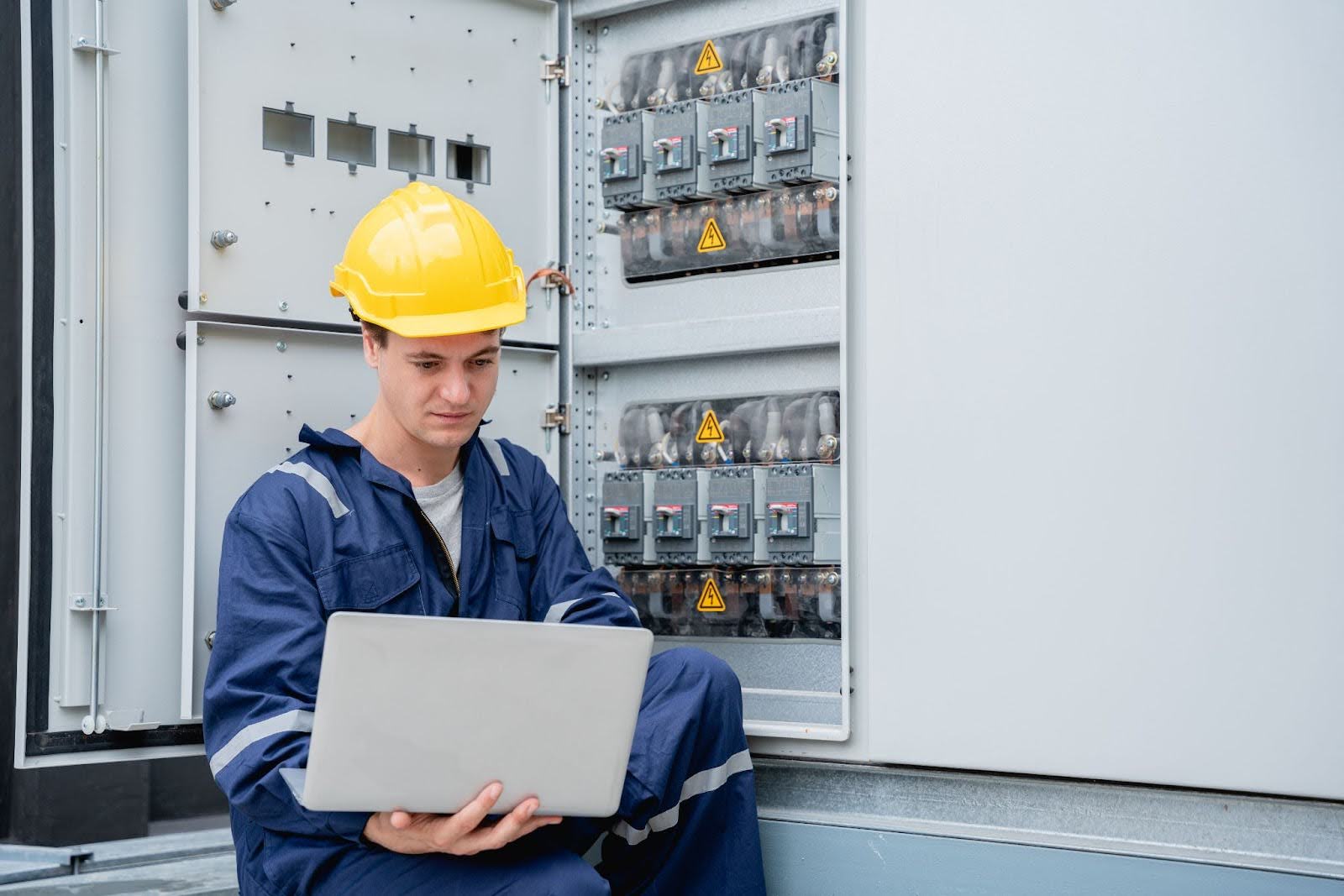
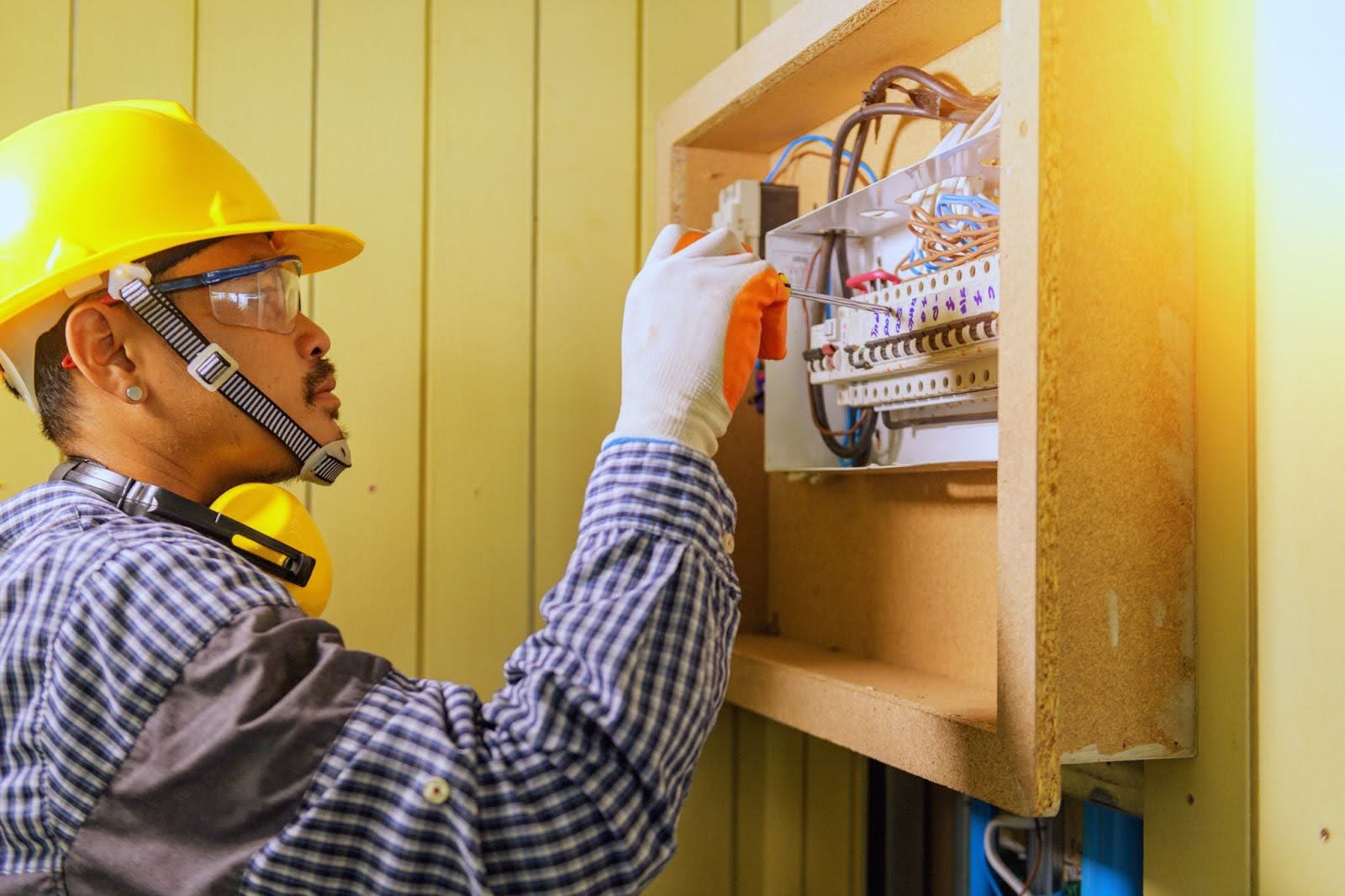
Smart devices deliver their greatest value when homeowners choose them with foresight and restraint. Thoughtful selection works best when paired with professional electrical services that support safe, reliable installation. Proper wiring, load planning, and system compatibility help connected technology perform as intended over time. Progress begins with informed decisions that align smart devices with expert electrical services, durability, and purposeful design.
For deeper insights on smart devices and professional electrical planning, visit Orozco’s Electric Inc. blog and stay informed before your next home upgrade.