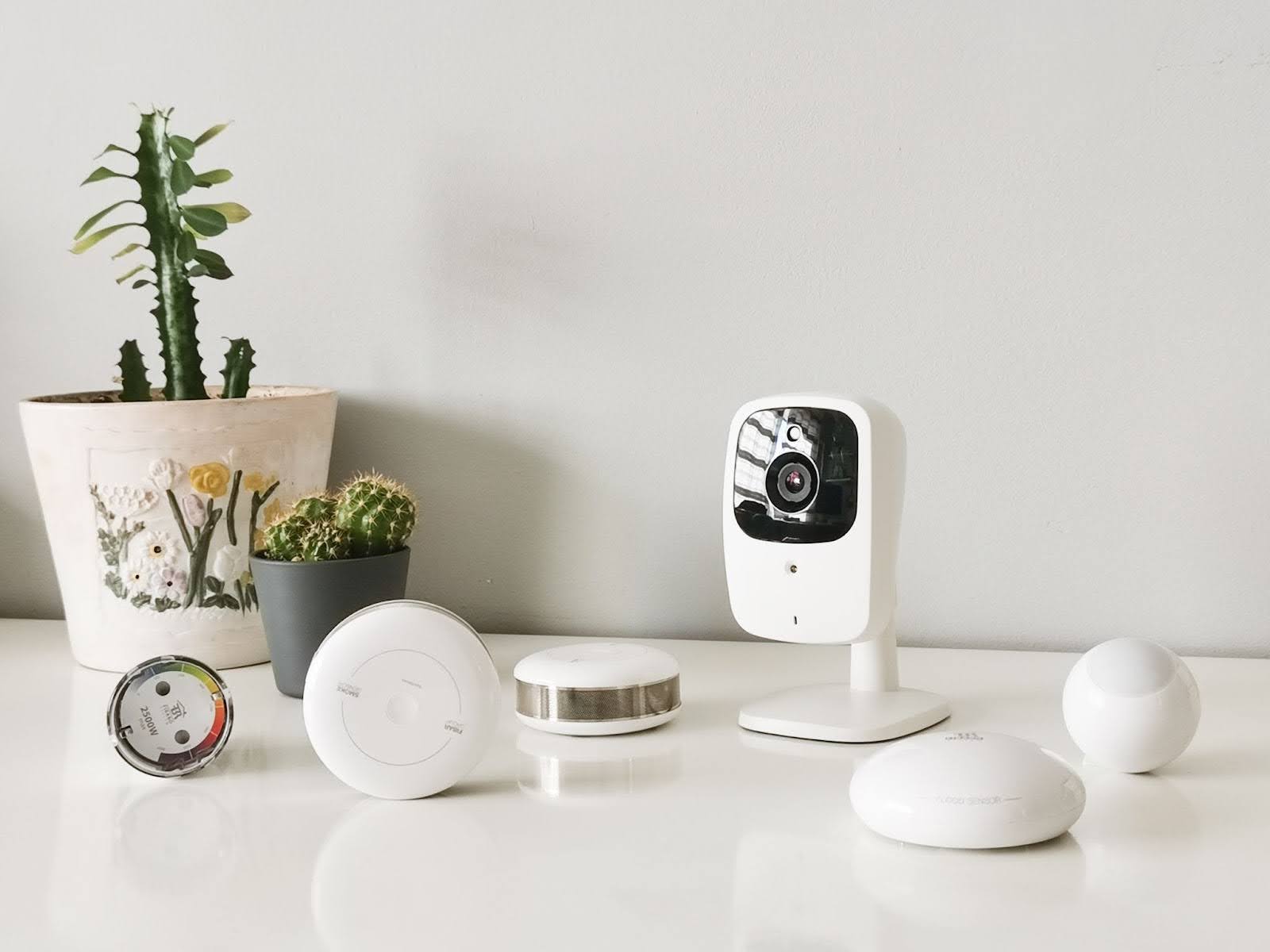
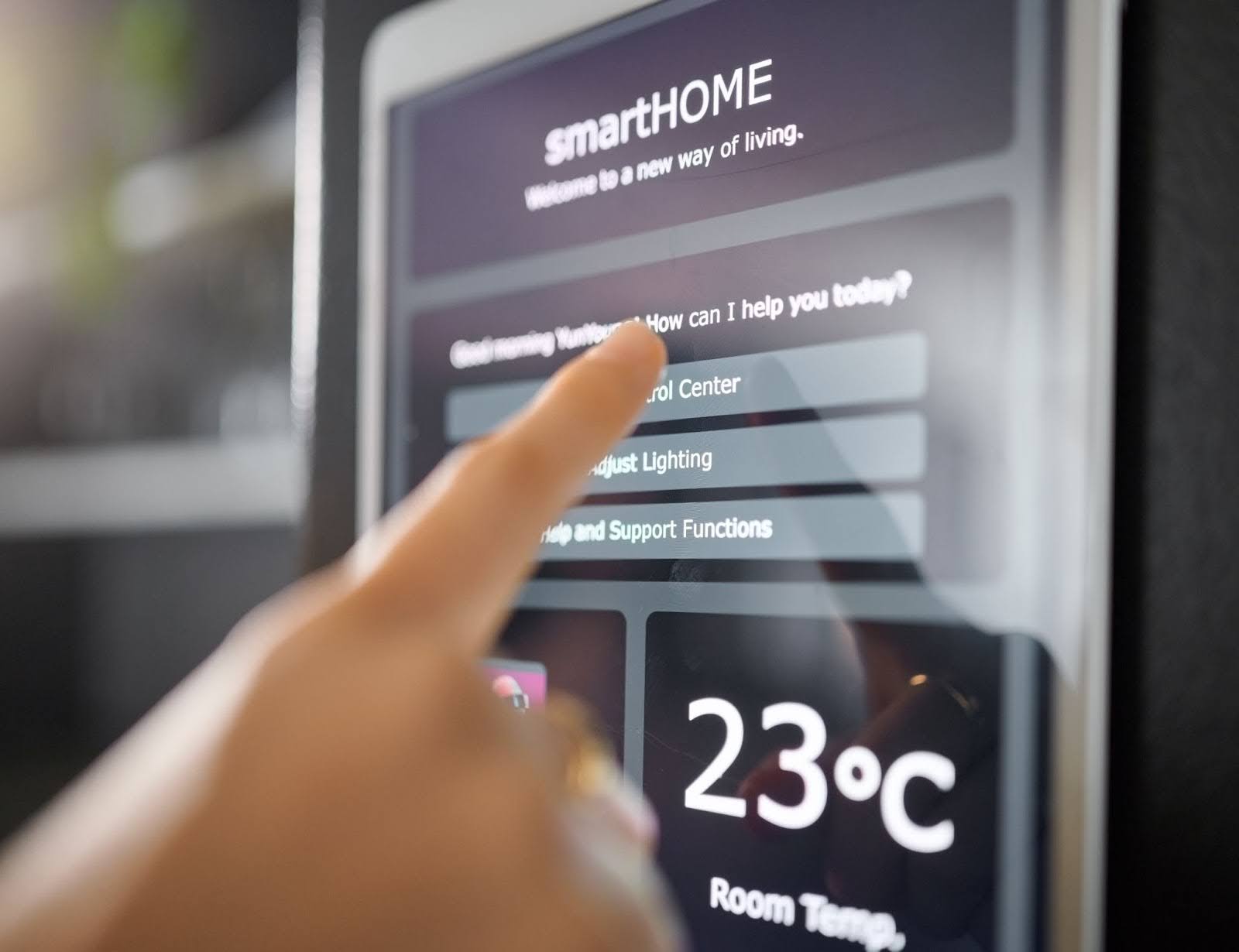
Smart home devices have quietly moved from novelty to the norm in many homes. Homeowners now expect lights, security, and temperature controls to respond intelligently. These connected tools reduce manual effort while improving awareness and comfort. Many people hesitate because the technology sounds complicated or expensive. Clear explanations and practical examples make smart house devices easier to approach with confidence.
What Smart House Devices Mean for Homeowners
Smart house devices are connected tools that allow homeowners to monitor and control home systems digitally. These devices use Wi-Fi, apps, or voice assistants to respond to commands or routines. Homeowners benefit from improved convenience, visibility, and responsiveness inside their living spaces. The following definition clarifies how smart home devices fit into everyday residential life.
Smart House Devices Defined Simply
Smart home devices are everyday home products enhanced with internet connectivity. These connected products include lighting, thermostats, locks, and security equipment. Each smart device responds to digital commands instead of manual switches. Homeowners control these systems through mobile apps or voice assistants. This connected setup allows automation based on schedules or conditions. Clear definitions help homeowners avoid confusion during purchasing decisions.
How Smart Devices Communicate at Home
Smart home devices communicate over home networks using Wi-Fi or similar protocols. Some devices rely on hubs to coordinate actions between products. Other devices connect directly to apps without extra hardware. Network quality affects how quickly devices respond. This communication structure explains why router placement matters. Reliable connectivity supports smooth daily operation.
Popular Smart Devices Used in Homes
Smart home devices are usually brought into homes for practical reasons, such as comfort or safety. Homeowners often choose devices that solve daily frustrations first. Each category serves a distinct household function. This overview helps narrow choices without overwhelming buyers.
Lighting Systems
Smart lighting replaces standard bulbs or switches with connected versions. These lighting systems allow brightness and timing control through apps. Homeowners schedule lights to match routines or occupancy. Voice control adds hands-free convenience during busy moments. This lighting automation reduces wasted energy. Simple installation makes lighting a common starting point.
Thermostats and Climate Control
Smart thermostats regulate heating and cooling through learned behavior. These devices adjust settings based on occupancy and weather data. Homeowners monitor temperature remotely using mobile apps. Energy reports show usage patterns clearly. This climate control improves comfort without constant adjustments. Many utility providers recognize these devices for efficiency programs.
Security Devices
Smart security devices include cameras, doorbells, and motion sensors. These tools provide real-time alerts and live video access. Homeowners receive notifications when activity occurs. Cloud storage keeps recordings available when needed. This security setup improves awareness without full-time monitoring. Privacy controls allow customization of recording zones.
Benefits of Smart House Devices
Smart home devices improve daily life through automation and insights. Homeowners notice fewer repetitive tasks and more transparent oversight. Each benefit grows as systems integrate gradually. This overview highlights why adoption continues to rise.
Everyday Convenience Through Automation
Automation enables smart home devices to handle routine tasks. Lights turn off automatically when rooms are empty. Thermostats adjust before homeowners return home. This convenience reduces daily interruptions. Centralized apps simplify device management. Small efficiencies add up over time.
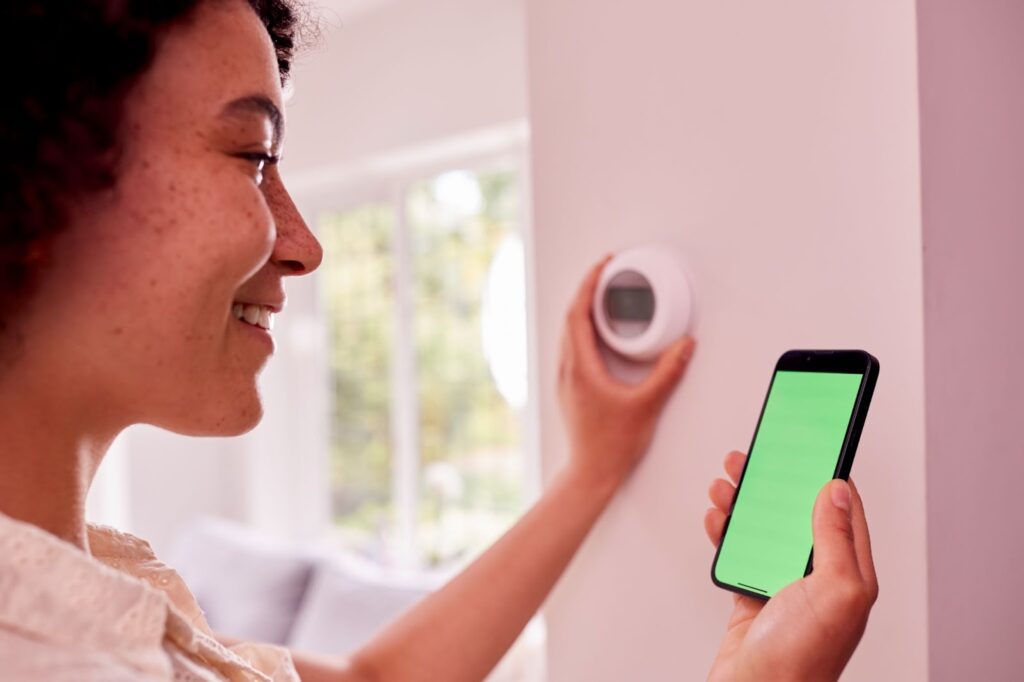
Alt-text: Close-up of a woman adjusting central heating through a smart thermostat app on her phone
Energy Awareness and Cost Control
Smart house devices track energy usage in real time. Homeowners see which appliances consume the most power. Scheduling features reduce unnecessary operations. This energy awareness supports better budgeting decisions. Smart thermostats adjust settings for efficiency. Long-term savings often follow consistent use.
Improved Accessibility for All Household Members
Smart home devices make homes easier to use for everyone. Voice commands help individuals with limited mobility. App controls reduce the need for physical adjustments. This accessibility improves independence within the home. Custom routines adapt to different household needs. Thoughtful setup supports inclusive living.
Better Home Awareness and Peace of Mind
Smart house devices keep homeowners informed without constant attention. Alerts notify users of unusual activity or changes. Remote access allows quick checks at any time. This awareness reduces uncertainty during busy days. Smart sensors provide reassurance when away. Consistent feedback builds confidence in home management.
Planning Considerations for Smart House Devices
Smart house devices work best with thoughtful preparation. Homeowners benefit from understanding system requirements early. Planning helps avoid unnecessary frustration. This perspective supports smoother long-term use.
Choosing Compatible Smart Device Ecosystems
Many smart home devices operate within shared platforms. Selecting compatible brands simplifies integration over time. Homeowners gain flexibility by planning. This compatibility supports future expansion options. Firmware updates often improve performance and features. Research helps build a cohesive system.
Managing Privacy and Data With Confidence
Smart house devices use data to deliver personalized experiences. Homeowners can adjust privacy settings to match comfort levels. Manufacturers provide transparency through user controls. This data awareness encourages responsible usage. Strong passwords protect accounts effectively. Informed choices lead to secure daily operation.
Budget Planning for Smart Home Investments
Smart house devices range widely in price and features. Setting a clear budget helps prioritize functional upgrades. Homeowners avoid overspending by focusing on real needs. This financial planning supports gradual expansion. Entry-level devices deliver substantial value. Cost awareness improves long-term satisfaction.
How Homeowners Can Start Smartly
Starting with smart house devices does not require full-home upgrades. Many homeowners begin with one or two products. Gradual adoption builds confidence and understanding. This approach reduces unnecessary spending.
Choose the First Smart House Device
Entry-level smart devices offer immediate benefits. Smart plugs introduce automation with minimal effort. Lighting systems provide visible results quickly. This starting point helps homeowners learn how to use controls. Budget considerations guide early choices. Small successes encourage expansion.
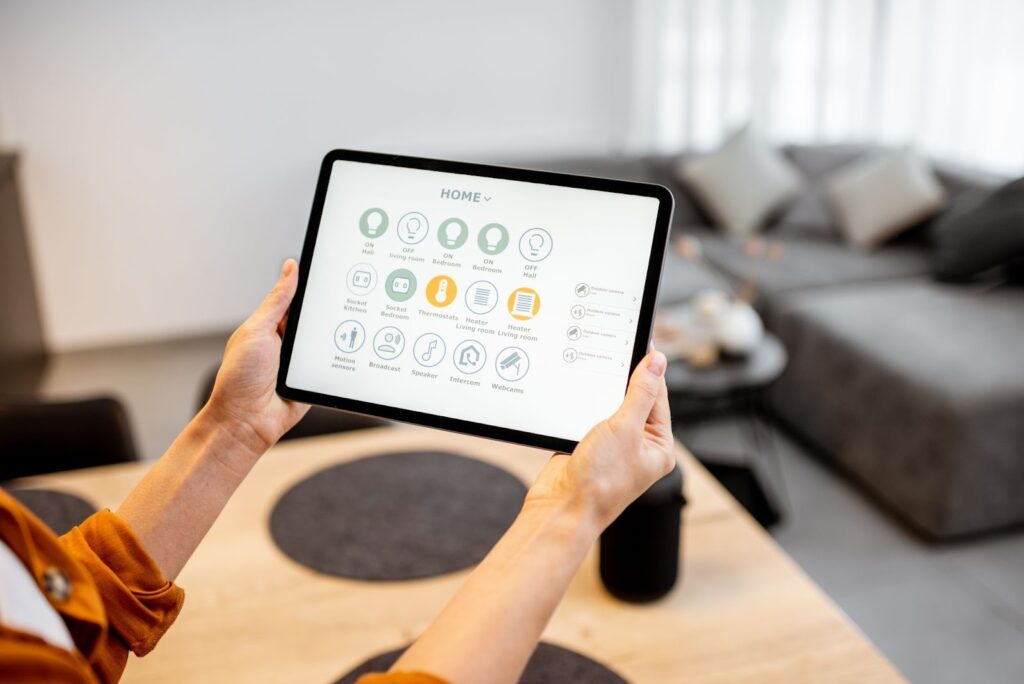
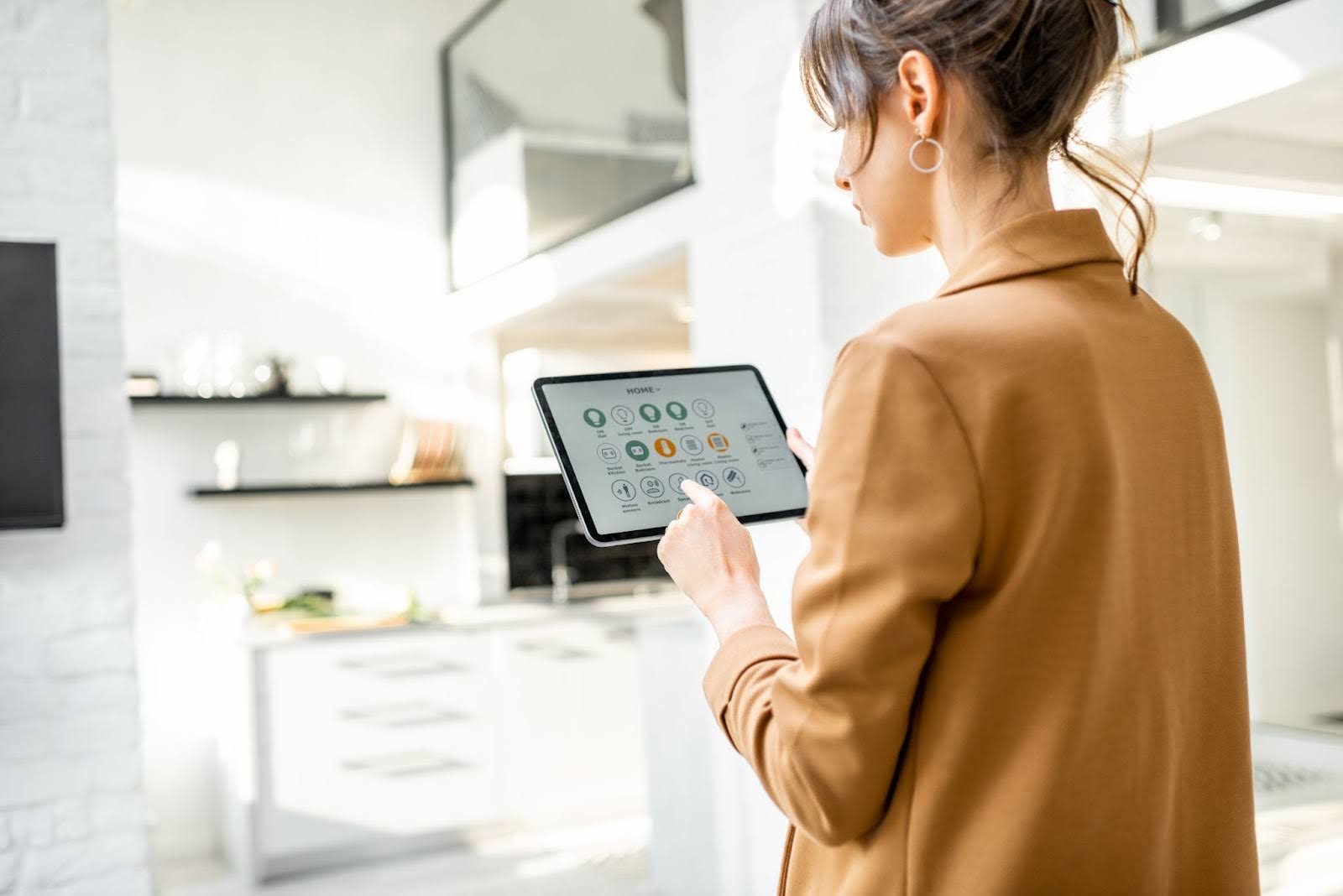
Alt-text: Homeowner using a tablet to control smart house devices in a modern living room
Prepare the Home Network
A strong home network supports all smart home devices. Homeowners should test Wi-Fi coverage in key rooms. Router upgrades improve stability and speed. This preparation prevents connection issues later. Secure networks protect connected devices. Reliable infrastructure supports consistent performance.
Set Realistic Expectations From the Start
Smart house devices improve routines gradually rather than instantly. Homeowners benefit from learning systems step by step. Minor adjustments fine-tune performance over time. This learning curve feels manageable with patience. Support resources help answer questions. Realistic expectations lead to better experiences.
Expanding Smart House Devices Over Time
Smart house devices work best when added thoughtfully. Each new device should serve a clear purpose. Homeowners benefit from gradual system growth. This planning supports long-term satisfaction.
Building Simple Automation Routines
Automation links multiple smart home devices together. Morning routines adjust lights and temperature automatically. Evening routines secure doors and reduce energy use. This routine building reflects household habits. Adjustments refine performance over time. Simple automations remain reliable.
Avoiding Overcomplicated Setups
Too many smart home devices can feel overwhelming. Clear goals help homeowners stay focused. This intentional approach keeps systems manageable. Simpler setups improve reliability. Organized controls aid troubleshooting. Balanced systems feel intuitive.
Smart House Devices and Home Value
Smart house devices influence how buyers view modern homes. Certain upgrades attract broader interest. Homeowners should consider future flexibility. This value perspective supports informed decisions.
Buyer Interest in Smart Home Features
Many buyers expect basic smart home devices. Security and energy features draw attention. Overly customized systems may overwhelm buyers. This buyer perspective favors simplicity. Transferable devices improve appeal. Documentation helps during ownership changes.
Energy Efficiency as a Selling Advantage
Smart house devices highlight energy-conscious living. Buyers often notice smart thermostats and lighting controls quickly. Usage reports demonstrate responsible energy management. This efficiency focus supports lower utility expectations. Energy-aware features align with modern buyer priorities. Visible savings add credibility during negotiations.
Future-Proofing the Home With Smart Systems
Smart house devices signal readiness for future technology trends. Modular systems make upgrades easy over time. Buyers value homes that adapt without major renovations. This future-ready perception reduces upgrade concerns. Standardized platforms support long-term compatibility. Flexible systems maintain relevance as technology evolves.
Long-Term Ownership of Smart House Devices
Smart house devices require ongoing attention beyond installation. Homeowners often overlook how these devices age over time. Software updates, hardware wear, and vendor support affect reliability. This ownership perspective helps homeowners avoid future disruption.
Software Updates and Ongoing Support
Smart house devices rely on regular software updates to function correctly. These updates fix bugs and improve security features. Homeowners should check whether manufacturers provide long-term support. Some devices lose functionality when updates stop. This dependency affects reliability over time. Understanding update policies prevents unexpected limitations.
Device Lifespan and Replacement Planning
Smart house devices do not last indefinitely. Batteries degrade, and sensors lose accuracy. Homeowners should expect gradual performance changes. Planning for replacement avoids sudden failures. This lifecycle awareness supports budgeting decisions. Responsible replacement keeps systems reliable.
Smart Devices and Home Insurance Considerations
Some insurance providers recognize smart home devices as risk-reducing tools. Smart alarms and leak sensors may lower premiums. Homeowners should confirm eligibility with insurers. This coverage connection often goes unnoticed. Proper documentation supports claims discussions. Insurance awareness adds practical value.
Digital Ownership and Account Management
Smart house devices require user accounts to operate thoroughly. Ownership includes managing passwords and access permissions. Homeowners should update credentials after property changes. This account control protects privacy and functionality. Neglecting access management creates security risks. Clear ownership practices support continuity.
Environmental Impact and Responsible Disposal
Smart house devices contain electronic components that require proper disposal. Homeowners should avoid sending devices to landfills. Recycling programs accept many smart products. This responsibility reduces environmental harm. Planning disposal aligns with sustainable home practices. Conscious choices reflect modern ownership values.
Design a Responsive Home With Smart House Devices
Smart home devices deliver the best results when planning and proper installation go hand in hand. Many homeowners gain stronger performance and fewer issues by working with smart home integrators. These professionals align devices, networks, and automation around how a household actually lives. Partnering with experienced smart home installers helps turn individual devices into a responsive system that works reliably today and remains adaptable for years ahead.
Explore practical insights, expert guidance, and real-world smart home planning on Orozco’s Electric Inc. blog.